Ağa Hamamı: A Visitor Guide To Istanbul's 1454 Bathhouse In Beyoğlu
Ağa Hamamı has been washing Istanbul since 1454, which makes it the oldest bathhouse on this site's list and one of the oldest working hamams in the city. Here is what a visit costs, what happens inside, and how it compares with the other historic baths of Beyoğlu.
Short answer
Ağa Hamamı in Cihangir, Beyoğlu is open daily from 10:00 to 22:00, and visitors should arrive by 20:00. The traditional package of entrance, peeling and foam costs 3,100 TL in cash or 3,600 TL by card; the massage package with a 20-minute oil massage costs 5,100 TL cash or 5,600 TL by card. The bookable listing is from $84 per person, 4.6 from 459 reviews, about 1 hr 30 min.
Ağa Hamamı sits on Turnacıbaşı Sokağı in Cihangir, a quiet slope of Beyoğlu better known for cats and coffee shops than for marble domes. The bathhouse claims a 1454 founding year, which puts it older than nearly every famous hamam in Istanbul and makes it the oldest entry on this site's whole list. It is also one of the few historic baths where the operator publishes a plain walk-in price list in lira, with a separate card rate, so you can budget the visit without guessing. This guide walks through the history, the current prices, the sequence of a visit, the comparison with neighboring baths, and the choice between walking in and booking the packaged experience that Hamam In Istanbul tracks on its roster.
What Is Ağa Hamamı And Why Visit?
Ağa Hamamı is a working Turkish bath in Cihangir, Beyoğlu, built in 1454, which makes it the oldest bathhouse on this site's list and one of the oldest still operating in Istanbul. It opens every day at 10:00 and closes at 22:00, with arrival recommended by 20:00, and it serves a mostly local crowd rather than coach groups. Visitors come for the neighborhood feel, the published lira price list, and the short walk from Taksim.
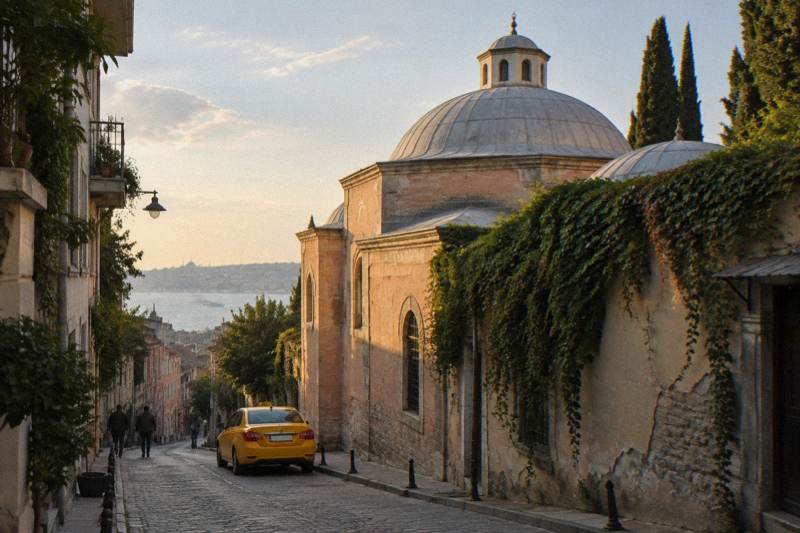
The hamam belongs to a different world from the palace-scale baths of the Old City. Cihangir is residential Beyoğlu: low apartment blocks, art galleries, and streets that climb toward the Bosphorus. A bathhouse here draws people who live in the quarter, plus travelers staying in the hotels around Taksim Square, which is roughly a fifteen minute walk uphill from the door. That mix shows in the atmosphere. Reviews of the bookable listing, 4.6 from 459 reviews, describe a small, warm interior and attendants who treat the scrub as a routine service rather than a staged performance.
Why pick the oldest bath rather than the most famous one? Age matters to some visitors the way it matters in a church or a caravanserai. A dome that has steamed since the decade after the Ottoman conquest of Constantinople carries a weight the newer spas cannot copy, however good their massage menus are. Ağa Hamamı also suits anyone basing themselves in Beyoğlu who does not want to tram down to Sultanahmet for a bath. If your trip is anchored in the Old City instead, the guide to Istanbul's best hamams overall compares the two districts head to head.
The bath is small, and that shapes the visit. Sessions are not rushed through in relay; the listing duration runs about 1 hr 30 min, which covers the hot room, the scrub, the foam, and a rest with tea. The operator's own FAQ page states the daily 10:00 to 22:00 hours and the advice to arrive by 20:00, since the last stretch of the evening leaves too little time for a full ritual. That practical honesty, hours and prices printed plainly on the operator's site, is rarer among Istanbul hamams than you might expect. For a comparison with one of the city's most famous baths, the guide to Cağaloğlu Hamamı's prices and hours covers what to expect there.
Ağa Hamamı History: Bathing In Beyoğlu Since 1454
Ağa Hamamı was built in 1454, within a year of the Ottoman conquest of Constantinople, for the use of the janissary aghas stationed in the quarter, and the operator's own site calls it the oldest bathhouse among Istanbul's famous hamams. It has served Cihangir continuously through the Ottoman, imperial and republican eras, and it remains a working bath rather than a museum piece.
The founding date deserves a sentence of context. Ottoman builders put up hamams fast in conquered cities because bathing is both a daily necessity and a religious practice in Islam, and a functioning bathhouse signaled that ordinary civic life was restarting. The name itself points to the original clientele: "ağa" was the title of the janissary commanders, and the bath served the military household posted on the Beyoğlu side of the Golden Horn. The operator's site presents the 1454 date on its own history material, and no restoration or closure notice appears on the pages this site's research checked.
That makes Ağa Hamamı older than the Sinan masterpieces travelers usually photograph. Çemberlitaş dates to 1584, Süleymaniye's bath to the 1550s, and even the nearby Galatasaray Hamamı, which brands itself "Since 1481", comes three decades later. Only a handful of working baths in the city are older than any of those, and this site's guide to the oldest hamams in Istanbul places Ağa Hamamı in that short list and explains what survives of the earliest buildings.
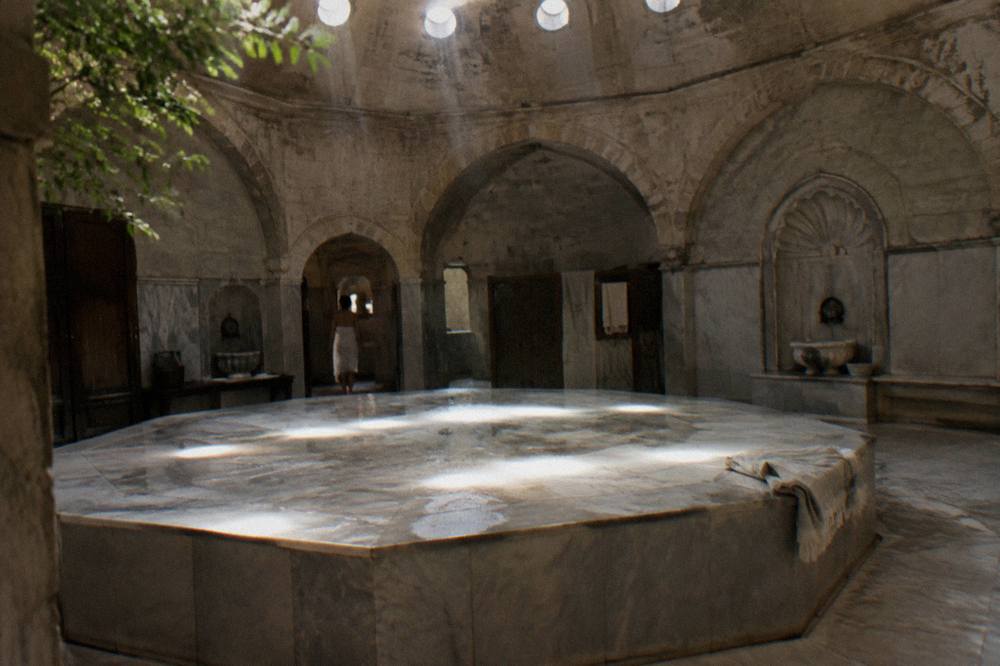
The building you enter today reflects centuries of repair rather than a single architect's plan. The core layout is classical: a camekan entrance hall with changing cabins, a warm room, and a hot room domed with the small glass circles that drop honey-colored light onto the marble. What visitors tend to remember is scale. Where the tourist baths of the Old City run long halls with dozens of bathers, Ağa Hamamı keeps the intimacy of a neighborhood institution, and the attendants are the same people week after week.
Beyoğlu's own history wraps around the bath. Cihangir filled with consulates, writers, and later film people, and the quarter's baths served all of them. Ağa Hamamı outlasted the neighborhood's every fashion because a bath needs little beyond water, marble, and heat. For a traveler weighing history against comfort, the honest framing is this: you come to Ağa Hamamı for continuity, not for chandeliers. The baths inside five-star hotels, which this site covers in its hotel spa hamams guide, do luxury better; nothing in Beyoğlu does 1454 at all.
Ağa Hamamı Prices And Packages Explained
Ağa Hamamı charges 1,800 TL for entrance only, with peeling and foam add-ons at 900 TL each, while its traditional ritual package costs 3,100 TL cash or 3,600 TL by card and the massage package runs 5,100 TL cash or 5,600 TL by card. The bookable experience listed on this site starts from $84 per person, and both price types appear below because they are distinct products.
Start with the walk-in list, which the operator posts on its own page. The traditional package bundles entrance, peeling and foam bath, and costs 3,100 TL if you pay cash or 3,600 TL by card. The massage package keeps all of that and adds a 20-minute oil massage, at 5,100 TL cash or 5,600 TL by card. The cash discount is real and worth planning for: withdrawing lira before you go saves the card premium on every line. Entrance alone is 1,800 TL if you want to sweat and wash yourself, and peeling or foam can be added at 900 TL each.
The bookable listing is a separate animal. It is priced from $84 per person in dollars, runs about 1 hr 30 min, and includes the foam bath and scrub, drinks, and afternoon tea, with free cancellation shown on the listing. That price is not a currency conversion of the walk-in rate; it is a packaged product aimed at travelers who want the slot held, the inclusions fixed, and the payment settled before arrival. When the lira moves sharply, the dollar price of the package and the TL price of the door can drift apart in either direction, which is why this guide prints both and labels them as different price types rather than averaging or converting them.
| Option | Where you buy it | Price | What it covers |
|---|---|---|---|
| Entrance only | At the door | 1,800 TL | Hot room and washing on your own |
| Peeling add-on | At the door | 900 TL | Kese scrub by an attendant |
| Foam add-on | At the door | 900 TL | Foam wash and massage |
| Traditional package | At the door, cash | 3,100 TL | Entrance, peeling, foam bath |
| Traditional package | At the door, card | 3,600 TL | Same as above, card rate |
| Massage package | At the door, cash | 5,100 TL | Traditional package plus 20-minute oil massage |
| Massage package | At the door, card | 5,600 TL | Same as above, card rate |
| Bookable experience | Operator's live listing | From $84 per person | Scrub, foam bath, drinks, afternoon tea; about 1 hr 30 min |
A few practical notes sit around these numbers. The operator's price page is the source for every TL figure above, and the dollar listing price comes from this site's verified roster, where the experience holds 4.6 from 459 reviews. Gratuities are not included in either price and the operator publishes no tipping rule; if you want to leave something for the attendant, ask at the desk what is customary rather than guessing a percentage. Lockers and changing space are part of the service, and the drinks listed in the package are tea and water rather than a full menu.
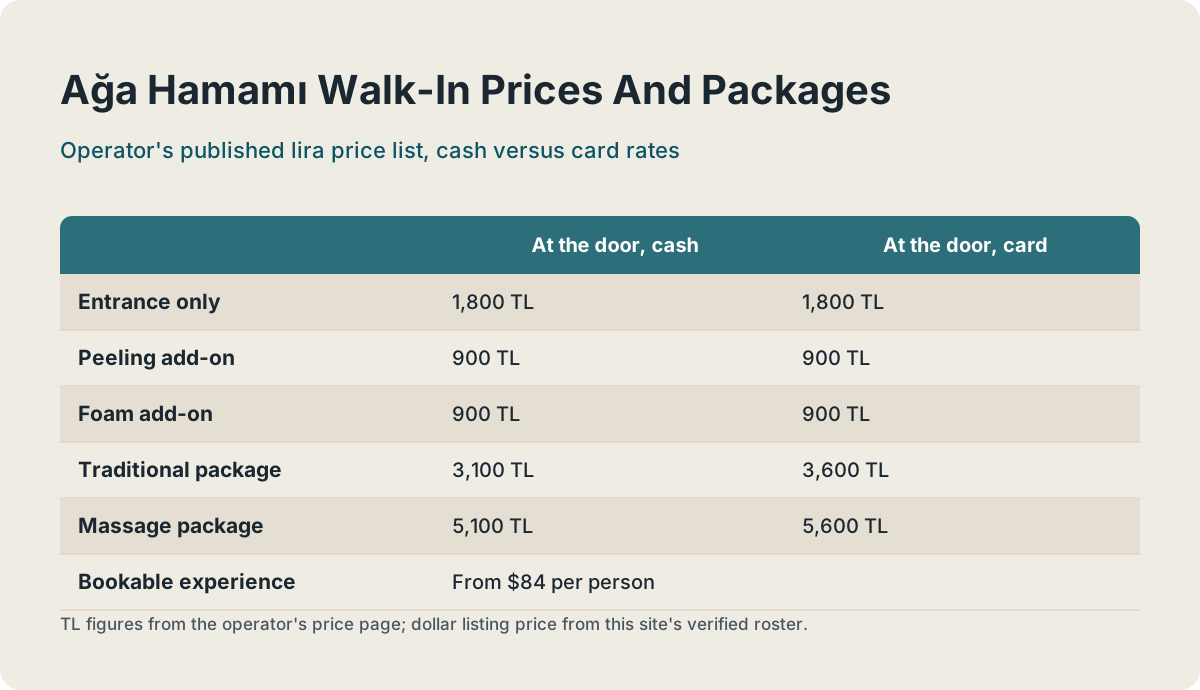
The cash-versus-card gap is the detail most visitors miss. On the massage package it is the same 500 TL step as on the traditional package, and since Istanbul ATMs are dense around Taksim, a cash plan is easy to execute. Whatever you choose, decide before you undress; mid-visit upgrades happen, but the cleanest visits are the ones where the package was settled at the camekan desk.
What Your Visit Includes, Step By Step
A full Ağa Hamamı visit follows the classic sequence: change in a private cabin, warm up on the marble göbektaşı under the dome, receive the kese peeling, then the foam wash and massage, then a rest with tea, and the listing runs about 1 hr 30 min. The operator serves men and women in separate sections with same-gender attendants. Expect to be scrubbed hard; that is the point.
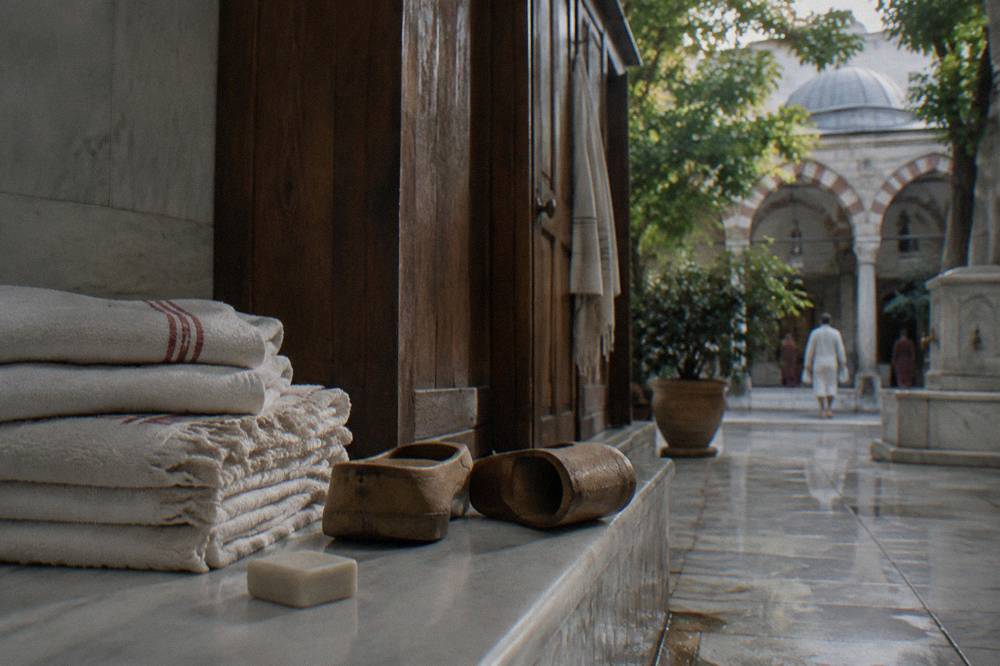
Arrival sets the tone. You check in at the entrance hall, where the cabin keys, towels and slippers are handed over, and the package you chose is what the attendants will deliver. The camekan at Ağa Hamamı is compact, more living room than palace, with a few seats for the tea at the end. Belongings go into your cabin or locker; phones stay with your clothes, which also settles the photograph question without anyone needing to say anything.
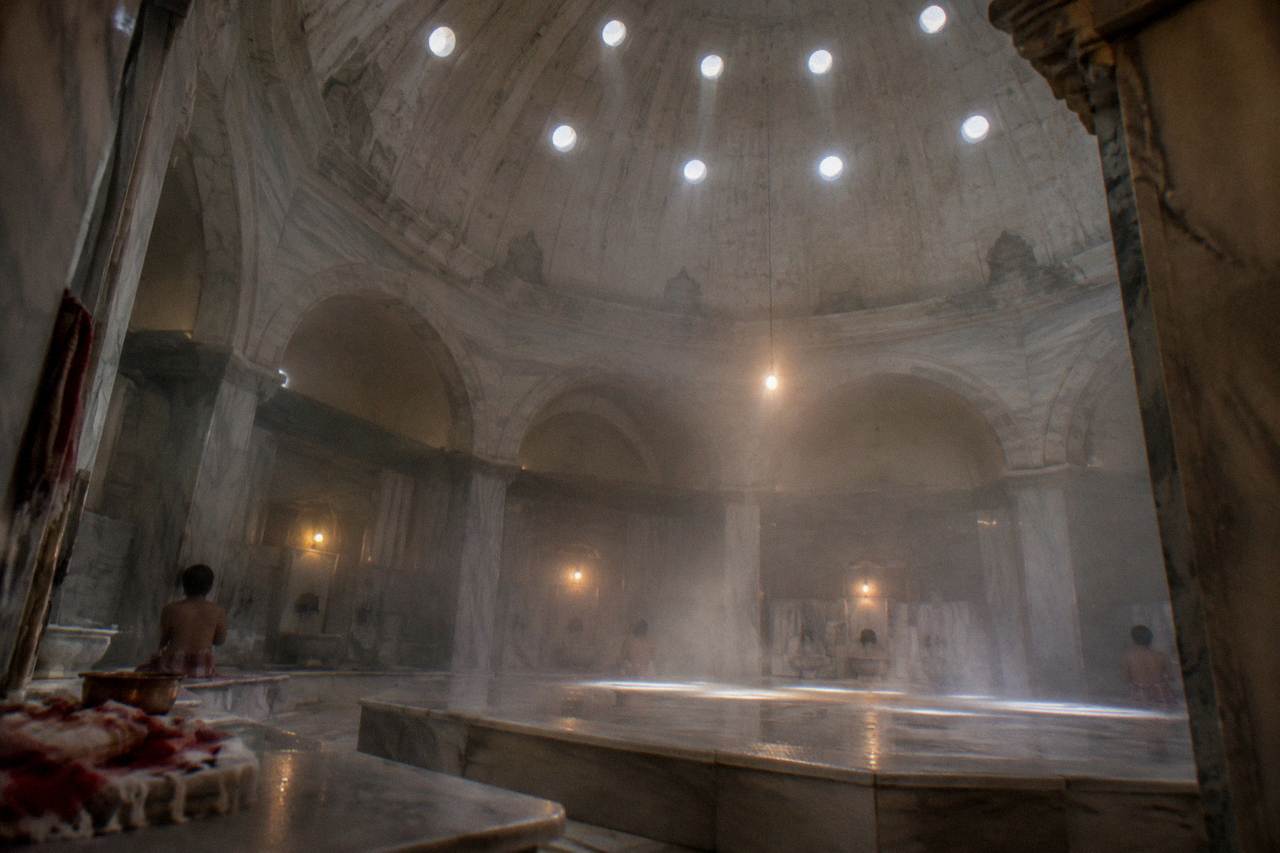
The hot room is where time slows. The dome's glass circles throw soft light on the marble, the göbektaşı platform in the middle holds the heat, and the side alcoves, the halvets, run hotter still for anyone who wants a stronger sweat. Ten to fifteen minutes of lying on the warm stone opens the pores and readies the skin; rushing this stage wastes the scrub that follows. The bookable listing's inclusions list names the scrub and the foam bath explicitly, and the walk-in packages mirror the same structure.
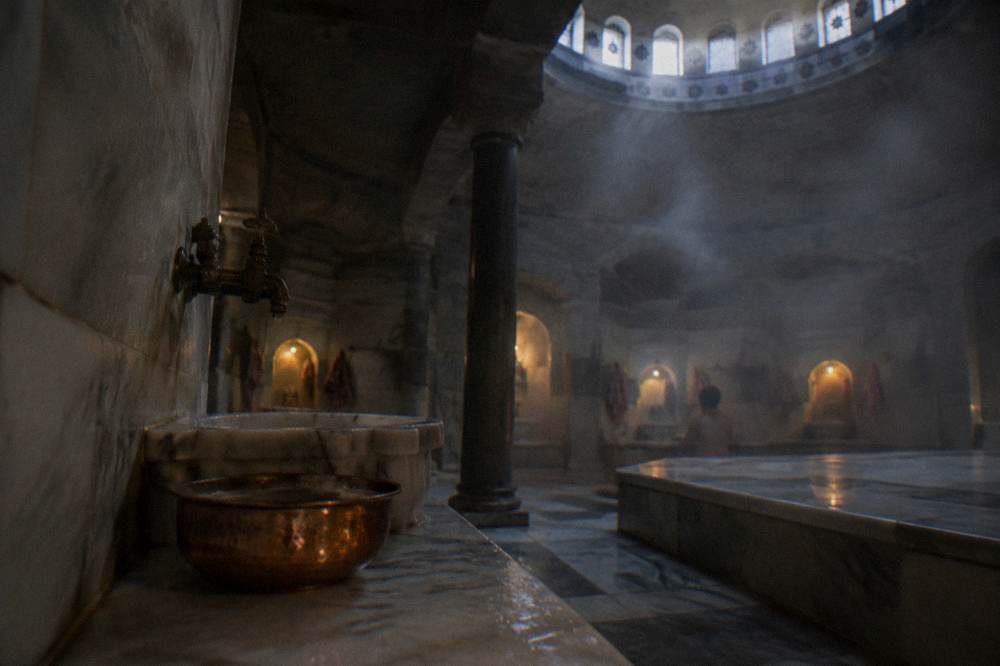
Then the attendant takes over. The kese is a rough mitt worked over the body in firm strokes, and the volume of skin it lifts surprises first-timers; the operator's own descriptions frame this as the heart of the service, and decades of Istanbul bath writing agree. The foam comes next: soap whipped in a net bag, spread in clouds, and worked into a short massage that leaves you rinsed and light. In the massage package, a 20-minute oil massage follows in a private room, which is the step that pushes the visit toward the upper end of its duration range.
The close is quiet. Tea, included in the bookable experience along with drinks, is served in the entrance hall while your body temperature settles. Most people then find they need an hour of doing very little, so plan the rest of the day loosely; a bath at 11:00 pairs better with an afternoon of walking than a bath at 19:00 pairs with a flight. Travelers who want the full etiquette picture, from what you wear to what you bring, will find the rules of the Turkish bath spelled out in this site's dedicated guide, and the hygiene question is handled honestly in are Turkish baths hygienic.
How To Get To Ağa Hamamı In Beyoğlu
Ağa Hamamı stands at Turnacıbaşı Sokağı in Cihangir, Beyoğlu, about a fifteen minute walk downhill from Taksim Square and roughly ten minutes from the İstiklal Caddesi funicular end at Tünel. The nearest tram connection is the T1 line at Karaköy or Kabataş, each one funicular ride away. No hotel pickup is offered on the bookable listing, so you make your own way.
From Taksim, the walk is simple: head down Sıraselviler Caddesi, the street that drops from the square toward Cihangir, and turn onto Turnacıbaşı Sokağı where the quarter's cafes begin. Sıraselviler is also where the walk's only real climbing happens on the return, so wear shoes that grip; Beyoğlu's pavements are steep and polished by decades of feet. From Karaköy on the T1 tram, take the Tünel funicular up to İstiklal and walk the last stretch, or ride the metro to Taksim and walk down. Either way, budget twenty to thirty minutes door to door from the Galata side.
Timing matters as much as routing. The bath opens at 10:00, and the first hours are typically the quietest, which suits anyone who wants the dome to themselves. The operator advises arriving by 20:00 against a 22:00 close, since the full ritual needs its hour and a half; an evening bath after a day of sightseeing is a legitimate plan, an 21:00 arrival is not. Mid-afternoon sits between the local regulars and the pre-dinner crowd and is a reasonable compromise if mornings are booked with museums.
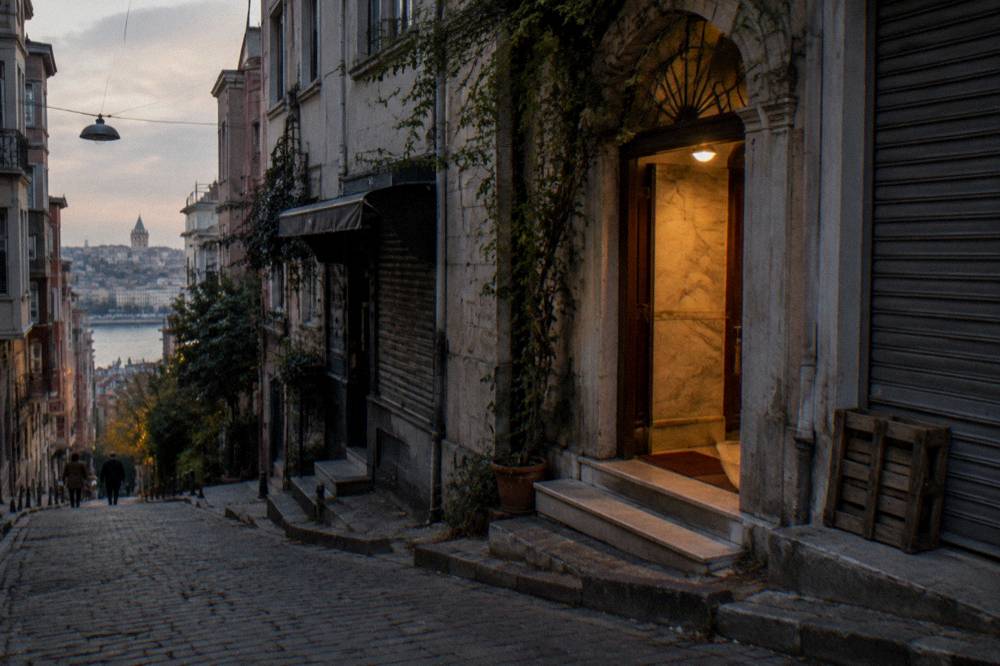
Where you stay changes the math enough to matter. If your hotel is in Sultanahmet, the trip to Cihangir is a tram plus a funicular plus a walk, and one of the Old City baths may serve you better; this site's comparison of Sultanahmet or Taksim hamams was written for exactly that decision. If you are staying in Beyoğlu, Cihangir, or Galata, Ağa Hamamı is likely the closest historic bath to your bed, which is a real argument when you will be walking home damp and relaxed.
Two small warnings complete the picture. Istanbul taxis between the Old City and Beyoğlu are short hops but hit traffic around the Golden Horn crossings at peak hours, so allow slack or use the tram. And the last stretch of Turnacıbaşı Sokağı is residential-narrow: trust the street signs over the map app, and if you pass a bakery you have probably gone one block too far.
Ağa Hamamı Versus Other Istanbul Hamams
Ağa Hamamı competes directly with two other Beyoğlu baths, Galatasaray Hamamı, open daily 09:00 to 21:00 with no published price, and Kılıç Ali Paşa Hamamı in Tophane, whose traditional ritual costs 4,700 TL, and it stands apart from Old City landmarks like Çemberlitaş, whose entrance costs 57 EUR. Ağa Hamamı's edge is the published TL price list and the 1454 age; its rivals win on grandeur or on water views.
The closest like-for-like comparison is Galatasaray Hamamı, a few streets away on Turnacıbaşı Caddesi. Galatasaray brands itself "Since 1481" and posts hours of 09:00 to 21:00 daily, but publishes no prices, so budgeting means emailing or asking at the desk. Ağa Hamamı's 1454 founding makes it the older institution, and its full rate card is public. If certainty about cost is what you want from a walk-in bath, that difference decides the matter before atmosphere even enters.
Kılıç Ali Paşa Hamamı in Tophane is the grander building, a Mimar Sinan design from 1578 to 1580 sitting by the Bosphorus. Its official reservation page prices the traditional ritual at 4,700 TL and a 50-minute full body massage at 5,000 TL, runs women-only hours from 08:00 to 16:00 and men's hours from late afternoon to 23:30, and states that pregnant guests are not served. There is no bookable roster listing for Kılıç Ali Paşa, so it is a walk-in or direct-reservation bath; this site's Kılıç Ali Paşa guide covers it in full. If you'd rather weigh both baths before committing, the full rundown of Kılıç Ali Paşa's hours, prices and booking details makes the comparison easy.
| Bath | Area | Published walk-in price | Hours | Bookable on this site |
|---|---|---|---|---|
| Ağa Hamamı | Cihangir, Beyoğlu | Traditional 3,100 TL cash / 3,600 TL card | 10:00 to 22:00 daily | Yes, from $84 |
| Galatasaray Hamamı | Beyoğlu | None published | 09:00 to 21:00 daily | No |
| Kılıç Ali Paşa Hamamı | Tophane | Ritual 4,700 TL | Women 08:00 to 16:00, men late afternoon to 23:30 | No |
| Çemberlitaş Hamamı | Old City | Entrance 57 EUR, scrub and foam 72 EUR | 06:00 to 00:00 daily | Yes, from $124 |
Against the Old City, the trade is character versus scale. Çemberlitaş, open from 06:00 to midnight, publishes its prices in euros, 57 EUR for entrance, 72 EUR with scrub and foam, per its official price page, and its Sinan halls are the ones in every guidebook. Ağa Hamamı costs less in straight terms, sits closer if you sleep in Beyoğlu, and serves a crowd with more locals in it. For travelers whose interest is couples bathing or private rooms rather than history, two roster listings below fit that need better than any of the walk-in baths in this comparison, and the site's couples hamams guide explains the category.
Çukurcuma's couples listing, from $103 per person with a 5.0 rating from 188 reviews and an about 2 hr duration, is a ten minute walk from Ağa Hamamı's door, which makes the pair an easy same-trip decision: the historic scrub at Ağa, the shared suite at Çukurcuma. Gedikpaşa's privacy-option listing answers the same need on the Old City side, from $57 per person, 4.9 from 1,970 reviews, about 1 hr, with free cancellation per the listing. Neither replaces Ağa Hamamı's specific charm; they simply cover the use cases, couples and privacy, that a 1454 neighborhood bath was never built for.
Tips For Visiting Ağa Hamamı
Go in the morning for the quietest dome, bring cash in lira to get the lower package rate, arrive by 20:00 at the latest, skip shaving that day, and drink water before and after the hot room. Book the dollar listing if you want the slot held with free cancellation; walk in if your plans are loose and you can pay cash. Pregnant visitors and people with heart conditions should ask a doctor before any hot-room ritual.
Cash first, because it is the one lever that changes the price. The operator's own page prices the traditional package at 3,100 TL cash against 3,600 TL by card, and the massage package at 5,100 TL against 5,600 TL. ATMs cluster around Taksim Square a short walk uphill, and withdrawing what you need the day before removes the last friction. Everything else you might forget, towels, slippers, soap, is part of the service.
Timing and body care come next. The bath runs hottest in the middle hours, and first-timers tolerate the hot room better before they are tired, so a late-morning slot is the safe recommendation. Do not shave immediately before a scrub; the kese over fresh razor skin is an avoidable sting, a point this site expands in should you shave before a Turkish bath. Eat lightly beforehand, hydrate through, and leave jewelry in your cabin since heat and marble are unkind to it.
| Situation | Recommended plan | Why |
|---|---|---|
| Staying in Beyoğlu or Taksim | Ağa Hamamı, walk in or book | Closest historic bath, published prices |
| Traveling as a couple | Çukurcuma 1831 couples listing | Shared private suite, about 2 hr |
| Wanting privacy on a budget | Gedikpaşa privacy option | From $57, 4.9 from 1,970 reviews |
| Fixed schedule, want certainty | Book the Ağa listing from $84 | Slot held, free cancellation on the listing |
| Loose plans, have lira cash | Walk in and pay cash | Lower rate on every package |
| Sensitive skin or new to scrubs | Ask the attendant to go lighter | Scrub intensity is adjustable on request |
Health notes deserve a straight sentence rather than a shrug. Hot rooms raise core temperature, and the operators of several Istanbul baths, Cağaloğlu among them, state plainly that they do not serve pregnant guests. This site's page on hammam and pregnancy gathers what operators actually publish, and the standing advice for anyone with a heart condition, diabetes, or blood pressure concerns is to ask a doctor before booking, then tell the desk when you arrive. None of this is exotic; it is the same caution a sauna deserves.
Should You Book Ağa Hamamı Or Walk In?
Book the listing, from $84 per person, 4.6 from 459 reviews, about 1 hr 30 min, if you want the date held, the inclusions fixed in dollars, and free cancellation; walk in and pay 3,100 TL cash for the traditional package if your schedule is loose and you can withdraw lira. Both routes end at the same marble dome, and neither is the wrong answer once you know which certainty you are buying.
The booking case rests on two things this guide has already flagged. First, the dollar package includes the scrub, the foam, drinks and afternoon tea as a fixed bundle, so nothing is negotiated at the desk. Second, free cancellation is shown on the listing, which matters on a trip where plans shift with weather and museum queues. The listing also suits anyone who would rather not carry a large cash withdrawal on vacation days, since the card premium you avoid at the door is what the convenience of prepaying quietly costs.
The walk-in case rests on price and spontaneity. Paid in cash, the traditional ritual at 3,100 TL is the cheapest way into this building's history, and the massage package at 5,100 TL cash undercuts plenty of hotel spas for a longer service. A neighborhood bath also flexes for walk-ins in a way packaged products do not: if the dome is empty, the visit stretches; if you only want to sweat and wash, the 1,800 TL entrance exists. For slow travelers with no itinerary to protect, that freedom is worth more than a held slot.
One honest summary for the undecided. Ağa Hamamı is not the most spectacular bath in Istanbul and does not try to be; it is the oldest one you can easily bathe in, it publishes its prices, and it sits in one of the city's best quarters for eating afterward. Visitors who arrive with those expectations, and with cash, tend to leave as the reviews suggest: scrubbed, warm, and planning a return. That is what a bathhouse has been selling on this street since 1454, and it still sells it well.
Common Questions About Ağa Hamamı
How old is Ağa Hamamı?
The operator's own site gives a founding year of 1454, shortly after the Ottoman conquest of Constantinople, which makes it the oldest bathhouse on this site's list. Galatasaray Hamamı nearby dates itself to 1481, and the great Sinan baths of the Old City came decades later.
What are Ağa Hamamı's opening hours?
It is open every day from 10:00 to 22:00, and the operator advises arriving by 20:00 so the full ritual fits before closing. Mornings tend to be quietest; the last two hours of the day are too late for a complete visit.
How much does Ağa Hamamı cost?
Walk-in prices from the operator's page: entrance 1,800 TL, peeling 900 TL, foam 900 TL, the traditional package 3,100 TL cash or 3,600 TL by card, and the massage package 5,100 TL cash or 5,600 TL by card. The bookable experience on this site's roster is from $84 per person and is a separate packaged product, not a conversion of the door price.
Where is Ağa Hamamı located?
At Ağa Hamamı, Turnacıbaşı Sokağı, Cihangir, Beyoğlu. It is roughly a fifteen minute walk downhill from Taksim Square via Sıraselviler Caddesi, and about ten minutes from the Tünel end of İstiklal Caddesi. No hotel pickup is offered on the listing.
Is Ağa Hamamı worth visiting compared with the Old City hamams?
It earns its place on age, price transparency and location rather than grandeur. The 1454 building is intimate, the TL price list is published in full, and it is the natural choice if you are staying in Beyoğlu. Travelers who want palace-scale Sinan architecture usually prefer Çemberlitaş or the baths of Sultanahmet.
What does the Ağa Hamamı experience include?
The bookable listing includes the foam bath and scrub, drinks, and afternoon tea, and runs about 1 hr 30 min with free cancellation shown on the listing. The walk-in massage package adds a 20-minute oil massage. Towels, slippers and changing space are part of the service in every tier.