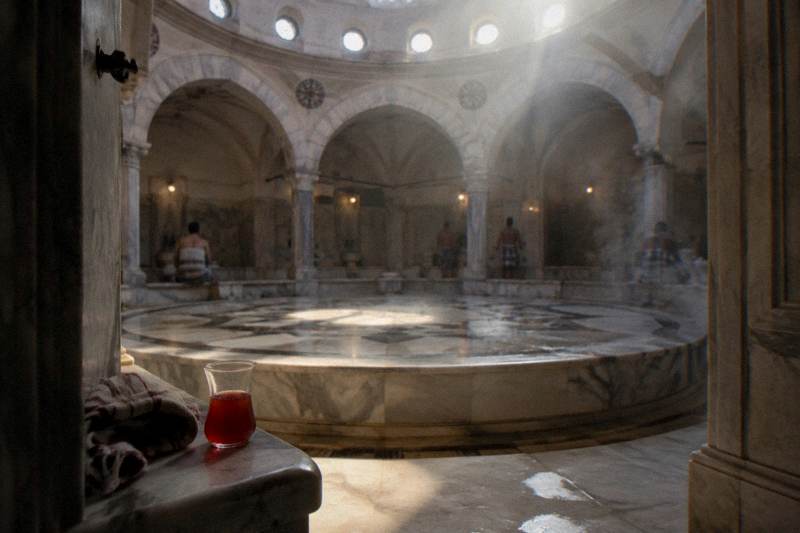
Are Turkish Baths Hygienic?
What hamam listings and official operator pages actually say about cleanliness: one-use kese gloves, single-use slippers, laundered towels, supplied soap, and what review counts reveal.
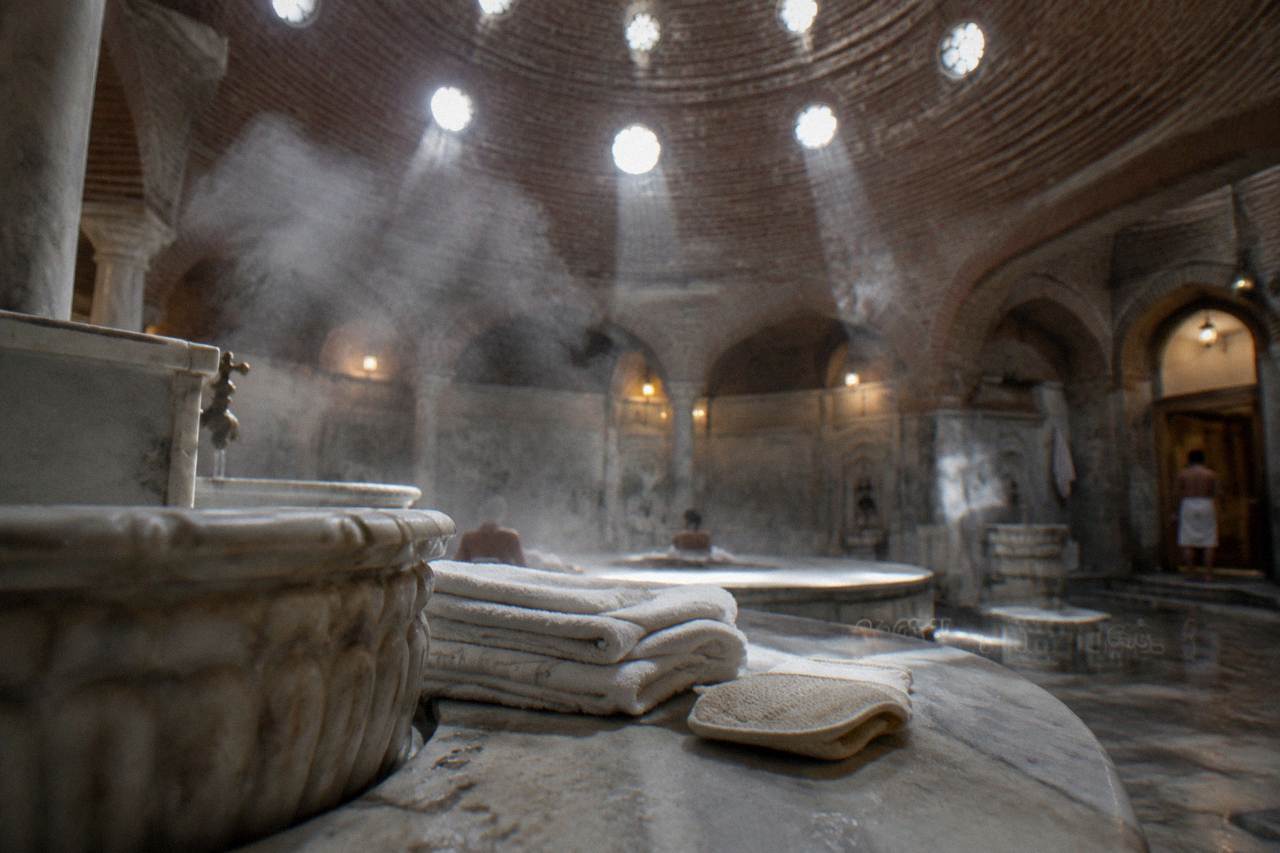
Are Turkish Baths Hygienic?
Yes, by every checkable measure that matters to a visitor: the listings promise a private one-use kese glove, single-use slippers, laundered towels, and supplied soap, and the operators' own pages repeat those promises. Gedikpaşa Hamam holds 4.9 from 1,970 reviews and the Hilton Sirkeci spa-floor bath 4.8 from 1,489, pools large enough that chronic cleanliness problems would surface in them; no source here supports bacteria claims, so none get made.
The question is reasonable and it deserves a straight answer rather than reassurance. A hamam is a shared building. The marble you lie on has been warmed by the same heating system for centuries in some cases, the hot room is humid, and strangers bathed on the same stone an hour before you arrived. Anyone who has read a horror story about a shared scrub mitt is entitled to ask what actually happens to the items that touch skin.
What can be verified splits into three layers. The first is the operator layer: what official pages and listings promise, item by item. The second is the evidence layer: ratings and review counts, printed beside each other, which act as a running audit of whether those promises are kept. The third is the personal layer: what a visitor controls, from arriving clean to asking for a fresh glove. This article works through each layer using only documented facts from the listings and the operators' own sites, and it deliberately avoids medical claims, because none of the sources here are medical sources.
For readers who have never been inside one, the sequence of a Turkish bath session explains the scrub, the foam and the marble platform step by step, which helps frame where each hygiene question actually arises. The short version: you warm up on the stone, an attendant scrubs you with a kese mitt, then rinses and soaps you, then you cool down and change in a private cabin or locker room. Every one of those steps has its own hygiene story.
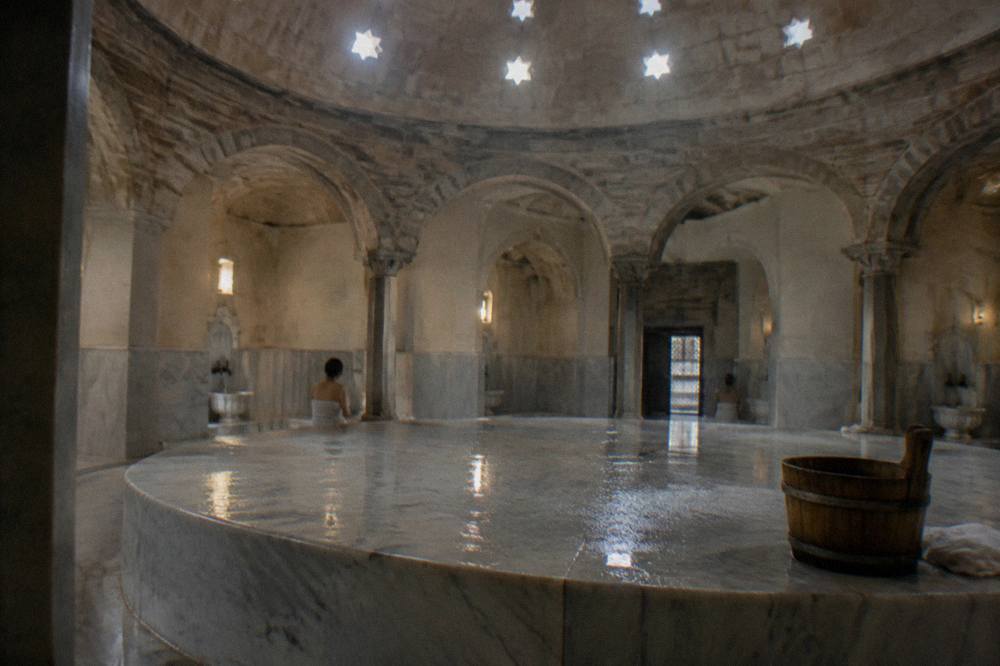
Here are the three listings that best frame the cleanliness question, one historic, one budget and one hotel spa floor, all with free cancellation on the listing:
The One-Use Kese Glove And Single-Use Slippers
The kese, the rough scrubbing mitt at the heart of the ritual, is promised as a private, one-use item on the listings that mention it at all. Cağaloğlu's standard package spells out a private one-use glove, Şifa's listing calls it a one-use kese mitt, and Gedikpaşa supplies single-use slippers and single-use underwear alongside laundered towels. Single-use means yours alone for the session, then discarded rather than passed to the next guest.
The kese is the item people worry about most, and the worry predates the current listings by generations: the scrub pulls dead skin off the body, so a shared mitt would be the single least hygienic object in the building. The operators know this, which is why the phrase "private one-use" appears in the Cağaloğlu listing text itself, alongside the foam massage and the foot massage options. The Acemoğlu listing takes the same approach by including towel and slippers as supplied items rather than things you drag through the airport.
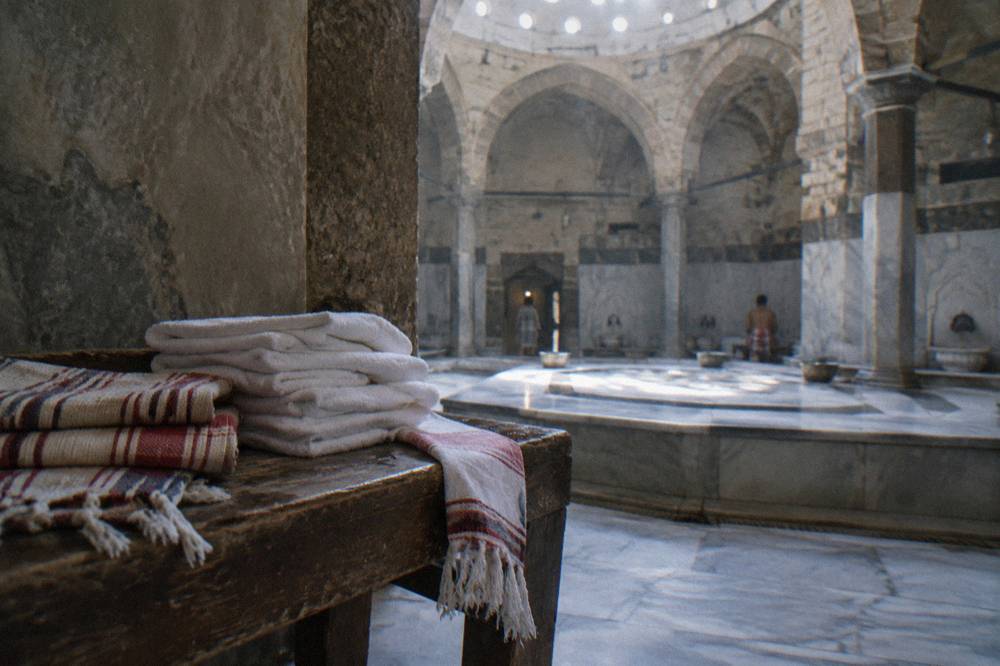
Slippers deserve their own sentence. Wet floors and shared drains make some kind of footwear a real question, and the answer across the roster is consistent: you are given slippers, and at Gedikpaşa they are explicitly single-use. Textiles that cannot reasonably be single-use, such as towels, the peştemal breechcloth and the changing-cabin linen, are supplied as laundered stock, which is the same standard a hotel applies to its beds. Şifa's listing adds a locker and secure storage, so your own clothes sit sealed away from the wet areas rather than draped over a communal bench.
The table below collects what each listing actually promises, in its own words, so the comparison is checkable rather than vibes.
| Listing | One-use items stated | Other supplied items | Textile handling stated |
|---|---|---|---|
| Cağaloğlu 1741 Hamam, Standard Packages | Private one-use kese glove | Towels, slippers, peştemal, olive oil soap, linden shampoo | Laundered towels listed among inclusions |
| Şifa Hamam Beside Sultanahmet | One-use kese mitt | Towels, slippers, peştemal, olive oil soap, linden shampoo | Towels and peştemal listed as supplied |
| Gedikpaşa Hamam, Privacy Option | Single-use slippers, single-use underwear | Towels, private changing room, private section option | Towels supplied, private changing room stated |
| Acemoğlu 15th-Century Hamam | Not stated as one-use | Towel, slippers, clay mask, coffee, tea, water | Towel and slippers listed as included |
| Çemberlitaş 1584 Bath (official page) | Not stated | Towel, soap, shampoo, slippers included in entrance | Inclusions published on the official price page |
Two honest caveats belong next to that table. First, several historic listings keep their inclusions brief: Çemberlitaş's roster entry lists entrance, a traditional bath with soap massage, and food and drinks, so for the item-level detail you would read the operator's own price page, which confirms towel, soap, shampoo and slippers inside the entrance fee (see Turkish Bath Istanbul). Second, "one-use" is a listing promise, and the enforcement layer is the review pool covered later in this article. If a mitt ever arrived looking used, that is a desk conversation, and every listing here shows free cancellation if the answer does not satisfy you.
Why The Marble Runs Warm Underfoot
Traditional hamams heat the marble through the floor, not through the air: hot air from a furnace passes under the bathing platform and up through the walls, warming the stone you lie on while the dome stays comparatively cool. Süleymaniye Hamam's own site gives the heat of its hall as 38 to 40 C. That is comfort engineering from the 1550s, and nothing in these sources supports any claim about germs, so this article makes none.
The system, called the hypocaust in its Roman ancestor form, is the reason a hamam feels nothing like a steam room. The göbektaşı, the raised central platform, is the warmest surface in the building because it sits directly over the hot-air channel, and guests lie on it to sweat before and after the scrub. Süleymaniye's official pages describe a 90-minute structure around that platform: 15 minutes of preparation, 30 minutes warming on the marble, 30 minutes of kese and soap wash, then 30 minutes to cool down with refreshments. The heat figure, 38 to 40 C, comes from the operator itself and is a fact about comfort, not a sanitation claim. Since that preparation window raises its own questions about what to do before you arrive, the guide to showering before a hammam visit covers what operators actually expect.
Marble itself is part of the hygiene story in a mundane way: it is a smooth, non-porous stone that is washed down between sessions, which is a statement about the material, not a claim about outcomes. The practical question a visitor can ask is simpler. Is the platform I am lying on wet with clean rinse water and drained? The honest answer is that the attendants control this, the room is built around drainage channels at the edges of the floor, and the review pool is the closest thing to an inspection record a visitor can read.
Swimwear policy matters here too, because it decides how much shared surface touches skin at all. Çemberlitaş states guests may bring their own swimwear, Süleymaniye welcomes it and supplies shorts and bikini options regardless, and Kılıç Ali Paşa runs separate women-only hours from 08:00 to 16:00 and men-only hours from late afternoon to 23:30. If modesty or the shared-platform question concerns you, own swimwear plus a single-sex session slot is a legitimate way to structure the visit, and every operator above supports it.
The heat layer also explains why hamams ask some guests to stay away, and those exclusions are published rather than hidden. Cağaloğlu's official reservation page states that pregnant guests are not accepted and advises against use by guests with heart disease, diabetes or asthma. That is an operator safety rule, not a hygiene verdict, but it belongs in an honest article because the same page is the one making the one-use promises.
What Actually Touches Your Skin In A Shared Hamam
The complete list is short: the peştemal you wrap in, the marble you lie on, the water the attendant pours, the kese mitt, the soap, the foam, and the towels you dry with. Of these, the kese is single-use at the listings that specify, the soap and shampoo are supplied in bulk or per guest, and the textiles are laundered stock. Nothing else in the building makes skin contact unless you choose a massage option.
Walking through the session item by item removes most of the mystery. The peştemal is a thin woven cloth, supplied fresh, worn in the hot room and removed only for the scrub. The water comes from the same supply system as the city's taps, drawn hot and poured from copper bowls. The kese and the soap are the attendant's tools, and the foam is built on an olive oil soap base, the same traditional formulation named in the Cağaloğlu, Şifa and Acemoğlu listings. The towels wait in your changing cabin. That is the whole inventory, and each row of it is either supplied fresh, laundered, or a building surface.
| Item | Who supplies it | Contact with your skin | One-use or laundered |
|---|---|---|---|
| Kese mitt | The hamam | Direct, during scrub | One-use at listings that specify |
| Peştemal | The hamam | Wrapped around body | Laundered stock |
| Towels | The hamam | After bathing | Laundered stock |
| Slippers | The hamam | Feet only | Single-use at Gedikpaşa, supplied elsewhere |
| Soap and shampoo | The hamam | Direct | Supplied, olive oil and linden formulations named |
| Marble göbektaşı | The building | Back and sides while lying | Washed building surface |
| Rinse water | The building supply | Poured over body | Flowing, drained at floor channels |
The privacy option is where a visitor can shrink the shared-surface question almost to zero. Gedikpaşa Hamam's listing builds its mid-priced package around it: a private changing room as standard, a private section if you select it, single-use slippers and single-use underwear, and an oil massage in a private room as an option. At from $57 per person with 4.9 from 1,970 reviews, it is also one of the most-reviewed baths on the roster, which matters for the evidence section below.
For comparison, the fully private route is the hotel spa floor, where the room itself is yours. The Hilton Sirkeci product runs on a spa floor with a one-hour bath and sauna and a 15-minute foam massage, from $56 per person. A private room changes the hygiene question from "how well is the shared building run" to "how well is this hotel run", and a hotel has a brand to protect in a way a single historic building does not.
Ratings And Review Counts As Hygiene Evidence
High ratings backed by large review pools are the most readable hygiene evidence a visitor can find: Gedikpaşa scores 4.9 across 1,970 reviews, the Hilton Sirkeci spa-floor bath 4.8 from 1,489, Cağaloğlu 4.8 from 826, and Acemoğlu 4.6 from 1,515. Since cleanliness complaints are among the fastest ways a bath loses a star, these figures support the claim that one-use promises are kept.
The discipline here is to read numbers as they stand. A 4.9 from 1,970 reviews, Gedikpaşa's, is a strong signal from a large pool. A 4.6 from 67 reviews, Şifa's, is a decent signal from a small one, and this article will not dress it up as more. The two combo products show why the count matters at the other end: the Old City Tour Plus Hamam shows 5 from one review, and the Grand Bazaar Walk Plus Hamam is a new listing with no reviews yet. Neither number proves anything, and saying so plainly is more useful than a superlative.
| Listing | Rating | Review count | Pool size read |
|---|---|---|---|
| Gedikpaşa Hamam, Privacy Option | 4.9 | 1,970 | Large, strong evidence |
| Hilton Sirkeci Spa-Floor Hamam | 4.8 | 1,489 | Large, strong evidence |
| Acemoğlu 15th-Century Hamam | 4.6 | 1,515 | Large, solid evidence |
| Cağaloğlu 1741 Hamam, Standard Packages | 4.8 | 826 | Large, strong evidence |
| Çemberlitaş 1584 Bath | 4.5 | 52 | Small, early signal |
| Şifa Hamam Beside Sultanahmet | 4.6 | 67 | Small, early signal |
Comparing the listings across Hamam In Istanbul side by side is what makes this evidence usable, because the same promises appear at very different price points. The one-use glove promised at Cağaloğlu, from $107, is the same one-use glove promised at Acemoğlu, from $45. The price spread buys architecture, package length and massage options, not a different hygiene standard, and the review counts at both ends of the spread sit within half a point of each other.
One caution belongs in this section rather than a footnote. Review pools measure satisfaction, not sterility, and no rating can certify a building. What a large pool does tell you is that thousands of guests went looking for exactly the problems this article lists, one-use items, laundered towels, clean cabins, and came back leaving four and five stars anyway. If the mitts were being reused or the towels recycled unwashed, those pools would not look like this.
Hotel Spa Floors Versus Historic Hamams For Cleanliness
The hygiene standards are similar because the supplies are similar: one-use scrub items, laundered textiles, supplied soap. The difference is architecture and privacy. A historic hamam is a shared historic building with separate sections, a hotel spa floor is a modern private-room operation with sauna and pool access, and the roster's hotel products start lower, from $34, than the famous historic buildings, from $45 upward.
The historic buildings carry the atmosphere and the marble, and their listings carry the same item-level promises. Cağaloğlu, built in 1741 and described by its own site as the last bath built during the Ottoman Empire, supplies the private one-use glove, towels, slippers and linden shampoo inside its packages. Acemoğlu, whose listing traces it to the 15th century, includes towel, slippers, a clay mask and a foaming ritual from $45. Şifa, steps from Sultanahmet's sights, lists its one-use kese mitt and olive oil soap from $55. None of these is a hygiene downgrade against a hotel, and the review counts in the previous section back that.
The hotel spa floors answer a different anxiety: the shared hot room itself. The Five-Star Hotel Hammam product offers a DIY option with no therapist, including your own scrub glove and cosmetics, a private Turkish bath room if you choose it, and sauna and steam from $34. The Grand Hotel de Pera product adds a private bath, private 30-minute foaming and scrubbing, and optional pool from $51. The Taksim and Sirkeci private-suite products give you a bath, sauna and in some cases a pool to yourselves for around two and a half hours. In each case the surfaces you touch are yours alone for the session, and a hotel housekeeping department resets them between guests.
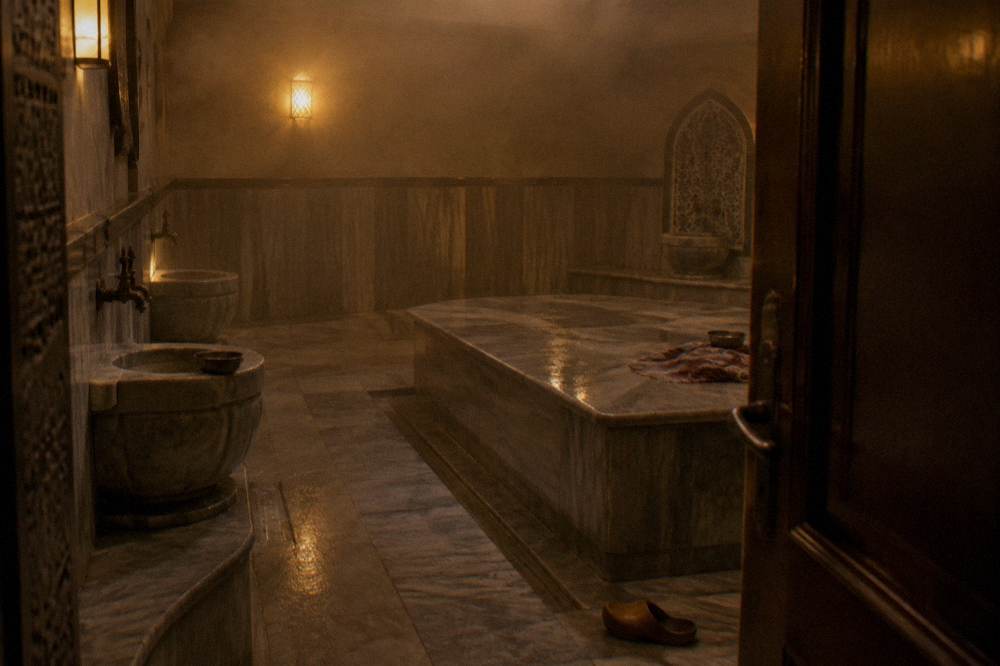
The honest framing is that neither type is objectively cleaner, because the shared items are handled the same way in both. The choice is whether you want Sinan's dome or a private suite, and both wishes are served. If the private route appeals, the Hilton Sirkeci spa-floor bath is the roster's most-reviewed hotel option, 4.8 from 1,489 reviews, with free cancellation on the listing: Check availability.
Habits That Keep Your Own Visit Clean
Your side of the bargain is small but real: arrive bathed, since the scrub is exfoliation rather than a first wash, keep slippers on between cabin and hot room, use the locker or private cabin for your clothes, and ask at the desk if any supplied item does not look fresh. Operators publish no tipping rule, so if an attendant handles a special request, ask at the desk what is customary rather than assuming a percentage.
The arrival-cleaned point deserves its own explanation because it confuses first-time visitors. The kese removes dead skin and the foam washes what the kese loosens; neither is designed to substitute for a shower after a day of travel. The sister question, whether you should shower before the hammam, covers the reasoning in full, but the short form is that clean skin makes the scrub both more effective and more comfortable, and it is the courteous baseline in a shared building.
Between the cabin and the hot room, the slippers are there for the wet floor, so wearing them is the move. In the hot room, the peştemal does its job until the scrub, and the attendant directs everything after that. When you return to the cabin, the towels are yours alone for the session. If anything supplied looks used, a quiet word at the desk resolves it in a properly run bath, and the free-cancellation terms shown on every listing in this article are the backstop if it does not.
Şifa Hamam, beside Sultanahmet, is a good example of the small-print version of all this: one-use kese mitt, towels, slippers and peştemal listed, olive oil soap and linden shampoo supplied, a locker and secure storage for your things, from $55 per person. Its rating, 4.6 from 67 reviews, is an early signal rather than a settled verdict, and this article prints it exactly that way.
Families and visitors with health conditions should read the exclusion lines rather than the review stars. The Şifa listing mirrors Cağaloğlu's official page in excluding children under 6, pregnant guests and guests with heart problems or diabetes, and several hotel spa products exclude children under 12 or 13. These are operator safety policies published on the listing, and the right response to a medical question is to ask a doctor, not a blog.
Common Questions About Turkish Bath Hygiene
Are Turkish Baths Hygienic?
By the checkable evidence, yes: the listings promise private one-use kese gloves, single-use slippers, laundered towels and supplied soap, and large review pools, 4.9 from 1,970 at Gedikpaşa and 4.8 from 1,489 at the Hilton Sirkeci spa floor, indicate those promises are kept. No claim about bacteria is made here, because none of the sources support one.
Do You Share The Kese Glove With Other Guests?
No, not at the listings that specify it. Cağaloğlu's package text calls it a private one-use glove and Şifa's calls it a one-use kese mitt, meaning it is used for your session alone and then discarded.
Can You Wear Your Own Swimwear In A Hamam?
Yes at the operators that publish a policy. Çemberlitaş and Süleymaniye both state guests may bring their own swimwear, and Kılıç Ali Paşa runs separate women-only hours from 08:00 to 16:00 and men-only hours from late afternoon to 23:30.
Are Hotel Spa Hamams Cleaner Than Historic Ones?
There is no evidence of a different hygiene standard, since both supply one-use scrub items and laundered textiles. The hotel products offer private rooms and suites, which removes the shared hot room from the equation, and they start from $34 per person on this roster.
What Should You Do If A Supplied Item Looks Used?
Ask at the desk for a replacement; a properly run bath replaces stock without argument. Every listing referenced here shows free cancellation, which is your backstop if the answer does not satisfy you.
Should You Shower Before A Turkish Bath?
Yes, arriving clean is the baseline. The kese is exfoliation and the foam is a wash, not a substitute for one, and clean skin makes the scrub more effective in a shared building.
Whichever layer of the question you arrived with, the practical close is the same: pick a listing whose inclusions name the items you care about, read its review count with its rating, and treat the one-use promises as enforceable at the desk. These three cover the historic, the budget and the private-suite routes at once: