Kılıç Ali Paşa Hamam Hours, Prices And Visitor Guide
The Kılıç Ali Paşa Hamam is one of Mimar Sinan's great Tophane bathhouses, built between 1578 and 1580 for the Ottoman navy's mariners and still running today on separate women's and men's hours. This guide sets out the official prices, the policies that catch visitors out, and the honest booking picture: this site has no listing for the bath itself, so the nearest bookable alternatives on the Beyoğlu side are laid out plainly.
Short answer
The Kılıç Ali Paşa Hamam was built by Mimar Sinan between 1578 and 1580 in Tophane, Beyoğlu. Women's hours run 08:00 to 16:00 with the last reservation at 14:15, men's from late afternoon to 23:30 with the last reservation at 22:00. The official Traditional Hamam Ritual costs 4,700 TL, a 50 minute Full Body Massage 5,000 TL, children aged 4 to 12 pay 3,000 TL, and pregnant women are not served.
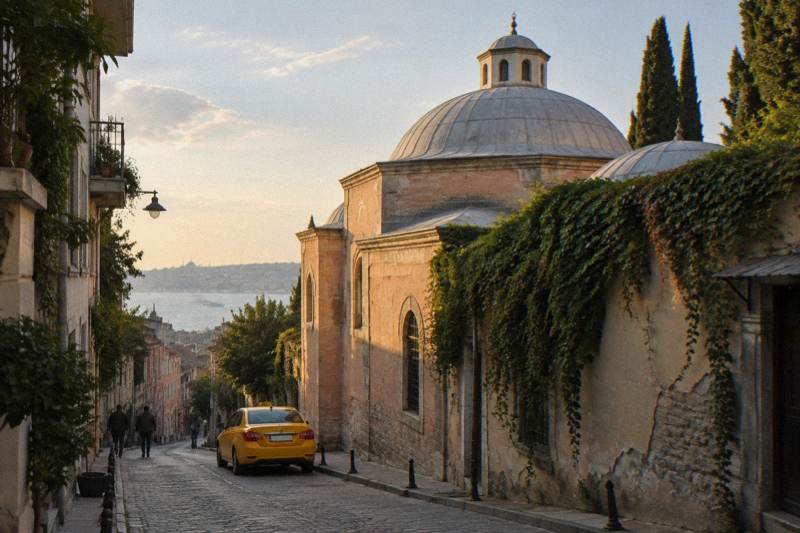
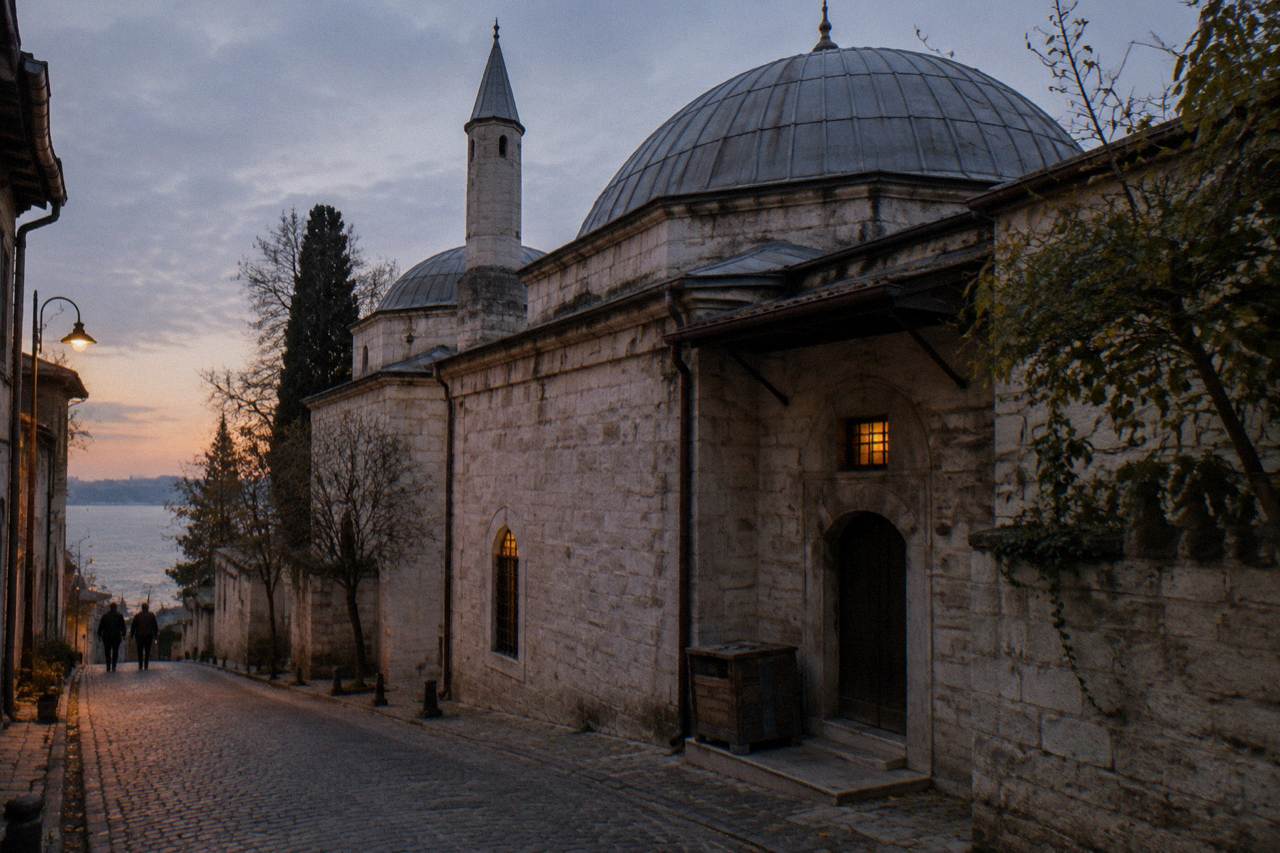
The Kılıç Ali Paşa Hamam sits at Kemankeş Mah. Hamam Sok. No:1 in Tophane, on the Karaköy side of Beyoğlu, a few minutes inland from the waterfront where the Bosphorus ferries dock. It is one of the defining works of the architect Mimar Sinan's later career, built between 1578 and 1580 on the orders of Kılıç Ali Pasha, the grand admiral of the Ottoman fleet, to serve the mariners stationed at Tophane. The bathhouse still operates on that original foundation, now split into women-only and men-only sessions across the day.
There is one thing this guide has to say plainly before anything else: this site has no bookable listing for the Kılıç Ali Paşa Hamam itself. Reservations go through the operator directly. What follows is the verified factual picture from the operator's own pages, the official prices in Turkish lira, the policies that most often surprise visitors, and, further down, the three closest baths that can be booked through this site's roster, all of them on the Beyoğlu side of the water. If you'd like to compare the Kılıç Ali Paşa experience with another historic bath on the other side of the Golden Horn, the Cağaloğlu Hamamı prices and hours guide covers everything you need to know.
Where Is The Kılıç Ali Paşa Hamam And Who Built It?
The Kılıç Ali Paşa Hamam is an Ottoman bathhouse at Kemankeş Mah. Hamam Sok. No:1 in Tophane, Beyoğlu, built by Mimar Sinan between 1578 and 1580 for Kılıç Ali Pasha, the kapudan pasha who commanded the Ottoman navy, as a bath for the mariners of the Tophane arsenal. No closure, restoration or change of operator has been announced on the official pages.
The commission explains the location. Tophane was the naval cannon foundry and arsenal district, and the mosque complex that Kılıç Ali Pasha raised here before his death was designed by Sinan as a single waterfront composition: mosque, medrese, tomb and hamam together. The admiral had been born in Italy, captured young, and rose through the galley fleets to become one of the most powerful men in the empire; the bathhouse he funded was the civic heart of that ensemble, and the sailors it served lived within sight of its dome. According to the operator's own story page, the hamam was built in the years 1578 to 1580, dates that supersede the slightly different figures that circulate on aggregator sites.
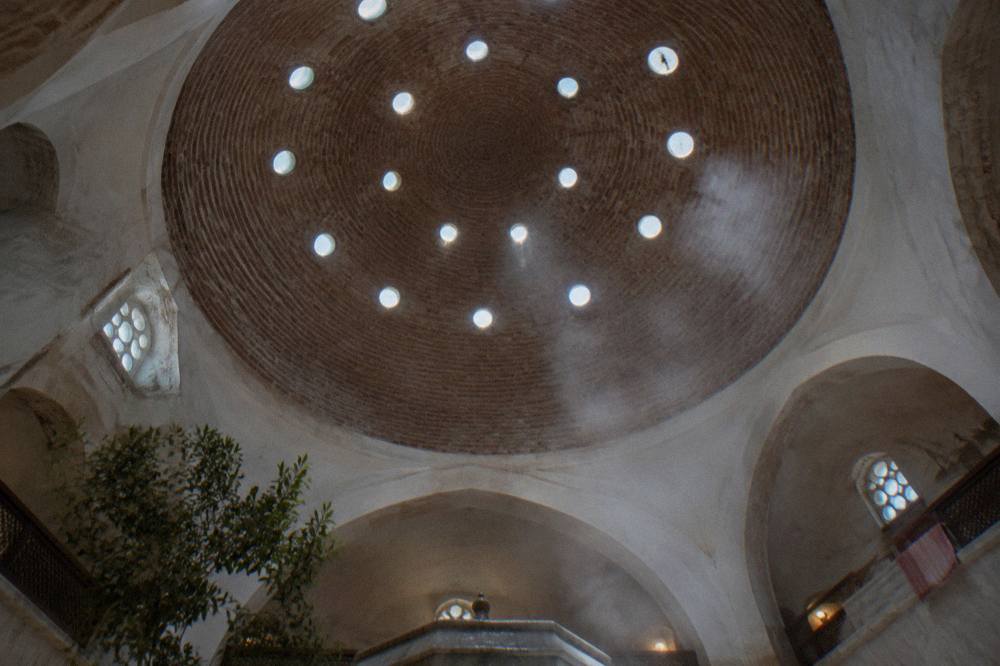
The building is a classic double hamam, meaning it contains separate men's and women's sections rather than one shared hall. That layout still governs how the bath runs today: the two sections open in alternation across the day rather than simultaneously, which is why the hours, covered in the next section, matter more here than at most Istanbul attractions. Visitors who arrive assuming a spa with rolling admission are the ones who get turned away at the door. If you want a hamam with a similar alternating schedule, our guide to Ağa Hamamı's hours and prices covers what to expect before you go.
Practically, Tophane is one of the easier historic districts to reach on the Beyoğlu side. The bathhouse stands a short walk uphill from the Karaköy waterfront and the lower end of İstiklal Caddesi, close to the modern art galleries that have moved into the old warehouse row. Nothing in the official material promises a specific walking time from any landmark, so plan on the map rather than on a published figure, and note that the last stretch runs along Hamam Sokak itself, a narrow street that gives the bath its address.
What Are The Women's And Men's Hours At Kılıç Ali Paşa?
Women's hours at the Kılıç Ali Paşa Hamam run from 08:00 to 16:00, with the last reservation accepted at 14:15. Men's hours run from late afternoon until 23:30, with the last reservation at 22:00. The operator runs the two sections on alternating blocks rather than mixed sessions, so the time of day determines which section, and which experience, a visitor gets.
The operator's contact page publishes those blocks, and one detail is worth flagging honestly: the site header shows the men's session starting at 16:45 while the reservation page implies late afternoon more generally, so the safe planning move is to treat "late afternoon" as the start and confirm the exact minute when reserving. What is firm is the shape of the day. Mornings and early afternoons belong to women, evenings to men, and the last-reservation cutoffs, 14:15 and 22:00, are earlier than the closing times by design, because a ritual takes time to run.
| Session | Hours | Last Reservation |
|---|---|---|
| Women-only | 08:00 to 16:00 | 14:15 |
| Men-only | From late afternoon to 23:30 | 22:00 |
This alternating structure is the norm among Istanbul's historic double hamams rather than an exception. The Çemberlitaş Hamamı on the Old City side, for example, keeps separate men's and women's sections with same-gender attendants, though it opens both across a 06:00 to 00:00 day. The Süleymaniye Hamamı takes the opposite approach, running mixed sessions for couples and families by reservation, with women-only and men-only hour blocks; its own contact page is the place to check those blocks. Each bathhouse picks its own system, and the Kılıç Ali Paşa's women-then-men day is one of the cleanest to plan around. If you're curious how these arrangements work for female visitors across the city, the guide to whether hammams welcome women explains exactly who bathes where and when.
Because the sessions are fixed, same-day planning is fragile. An evening walk down İstiklal that ends with the idea of a spontaneous bath at 22:30 will not work: the last male reservation is 22:00 sharp, and the ritual runs after it. Morning visitors have the opposite advantage, since the women's session opens at 08:00, one of the earlier openings among the historic baths. Families splitting by gender should simply book parallel slots and meet afterward, which the Tophane café strip makes easy.
For travelers who would rather lock in a bookable bath with free cancellation shown on the listing, the nearest roster options on this side of the Golden Horn are below. All three are historic or historic-style baths within the wider Beyoğlu and Fatih orbit, and each can be reserved in advance rather than timed against a session clock.
What Do Kılıç Ali Paşa Hamam Prices Include?
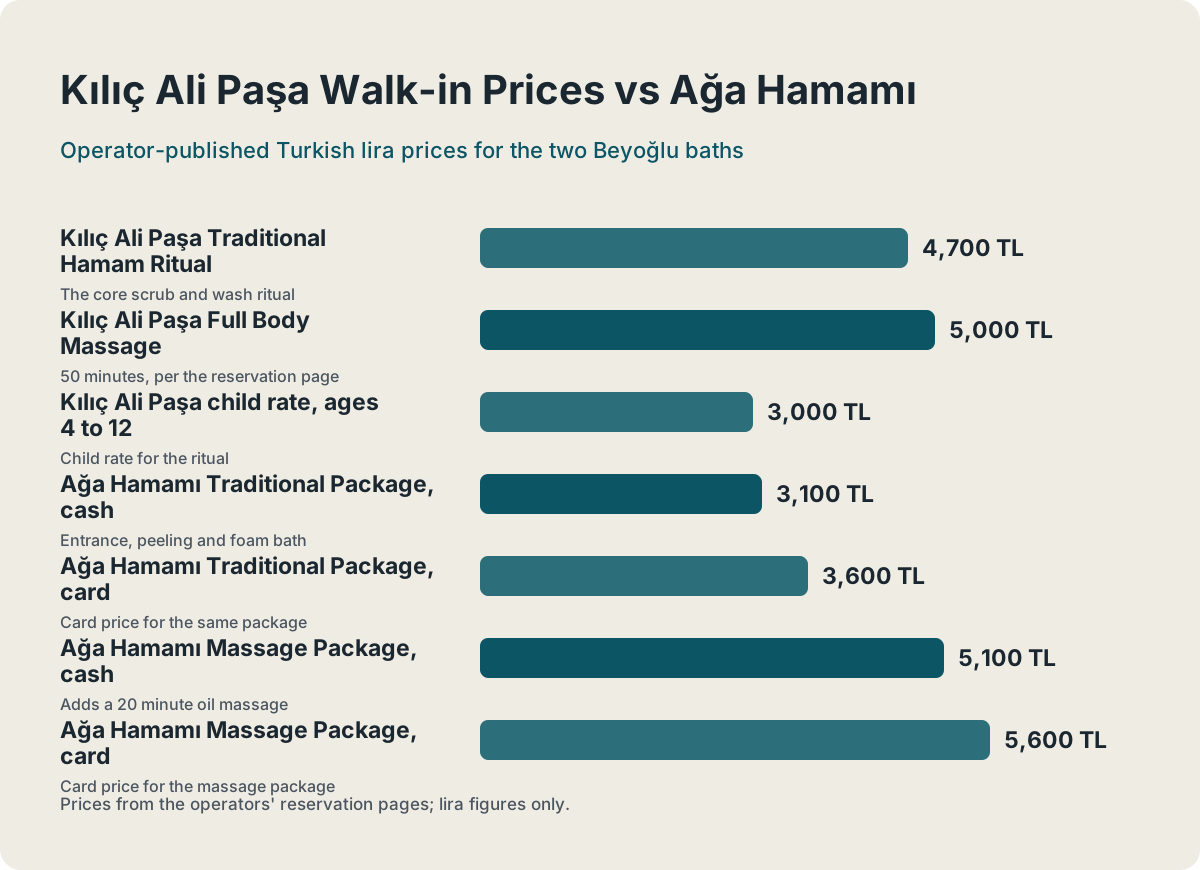
The operator's official reservation page prices the Traditional Hamam Ritual at 4,700 TL and the Full Body Massage, 50 minutes, at 5,000 TL, with children aged 4 to 12 charged 3,000 TL and infants aged 0 to 3 admitted free. These are operator walk-in prices in Turkish lira, published on the bath's own page, and they are a different price type from the US dollar from-prices on this site's bookable listings. For comparison, the Hürrem Sultan Hamamı price and booking guide covers the same details for the bath next to Hagia Sophia.
Two products, two prices, and a clear children's scale: that is the entire published menu. The reservation page does not break the ritual down into separately priced add-ons the way some larger tourist hamams do, so the honest summary is that visitors choose between the hamam ritual and the longer massage, with the child rate applying to the ritual. Nothing on the official pages publishes a couple's package, a private-hall surcharge or a time limit on the session, and none of those should be assumed from other baths' menus.
| Service | Official Price | Notes |
|---|---|---|
| Traditional Hamam Ritual | 4,700 TL | The core scrub and wash ritual |
| Full Body Massage | 5,000 TL | 50 minutes, per the reservation page |
| Hamam for children aged 4 to 12 | 3,000 TL | Child rate for the ritual |
| Infants aged 0 to 3 | Free | Stated on the reservation page |
The pregnancy policy is the one line that regularly upends plans. The bath's own FAQ states that pregnant women are not served, which puts Kılıç Ali Paşa in the same camp as several other Istanbul operators: the Cağaloğlu Hamamı also states that pregnant guests may not receive services, and the Süleymaniye Hamam says it is not recommended in pregnancy. Visitors who are pregnant and set on a bath experience should read can you do hammam when pregnant for the fuller picture, and ask a doctor before any heat-based treatment anywhere.
For context on where those figures sit, the same class of operator-published walk-in prices at other historic baths includes the Çemberlitaş Hamamı at 57 EUR for entrance and 72 EUR with a 15 minute scrub and foam wash, and the Ağa Hamamı at 3,100 TL cash or 3,600 TL by card for its Traditional Package. Lira and euro price lists move differently as exchange rates shift, so the useful comparison is the shape of the menu, not a single converted number. The Istanbul hamam price comparison covers that landscape in full, including which baths publish card and cash rates separately.
Can You Book Kılıç Ali Paşa Through This Site?
No. This site's tour roster has no listing for the Kılıç Ali Paşa Hamam, and the bath is reserved directly with the operator. Rather than pretend otherwise, this guide routes readers to the nearest roster baths on the Beyoğlu side: the Ağa Hamamı in Cihangir, the Çukurcuma 1831 couples bath, and the Gedikpaşa Hamam with its privacy option on the Fatih side.
That honesty matters because the roster contains a product whose name points at the Süleymaniye district, and visitors sometimes assume a similar naming trick hides a Kılıç Ali Paşa listing somewhere. It does not. The nearest thing to a Tophane or Karaköy bath on the bookable roster is the Ağa Hamamı, and it happens to be a serious substitute on its own merits: a bathhouse founded in 1454, which makes it the oldest in this whole comparison, open every day from 10:00 to 22:00 with the operator advising arrival by 20:00. Its roster listing, "Ağa Hamamı, Beyoğlu Side", runs from $84 per person, 4.6 from 459 reviews, about 1 hour 30 minutes, with free cancellation shown on the listing and an inclusion list covering afternoon tea, the foam bath and scrub. Check availability
The walk-in prices at the Ağa Hamamı are published on its own page too: 3,100 TL cash or 3,600 TL by card for the Traditional Package of entrance, peeling and foam bath, and 5,100 TL cash or 5,600 TL by card for the Massage Package that adds a 20 minute oil massage. Setting those beside the Kılıç Ali Paşa's 4,700 TL ritual shows how close the two baths sit in real cost, which is why the Ağa works as the practical fallback when a Tophane session does not fit the clock.
Couples have a different best answer. The Çukurcuma Hamamı, an 1831 bathhouse on Çukurcuma Caddesi in the antiques quarter below İstiklal, is built around two-person treatments: its roster listing, "Çukurcuma 1831 Couples Hamam", runs from $103 per person, 5.0 from 188 reviews, about 2 hours, meeting at Çukurcuma Caddesi 43. Kılıç Ali Paşa publishes no couple service at all, and its alternating single-gender sessions make a shared visit impossible by design, so pairs who want the bath together rather than in parallel sessions are better served here.
What Happens During The Traditional Hamam Ritual?
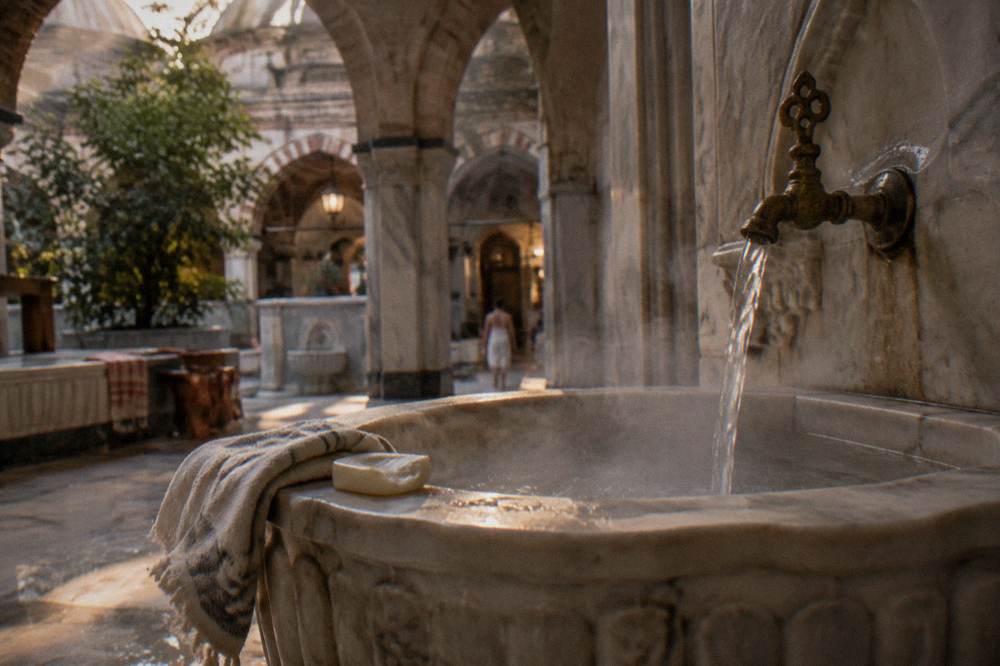
The ritual follows the classic Ottoman sequence: a warm-up on the heated marble, a kese scrub with a rough mitt, a foam wash worked up with soap, a rinse, and a rest. The Kılıç Ali Paşa reservation page prices the ritual without publishing a minute-by-minute script, so the sequence below is the shared tradition of Istanbul's historic baths rather than this operator's own timed program.
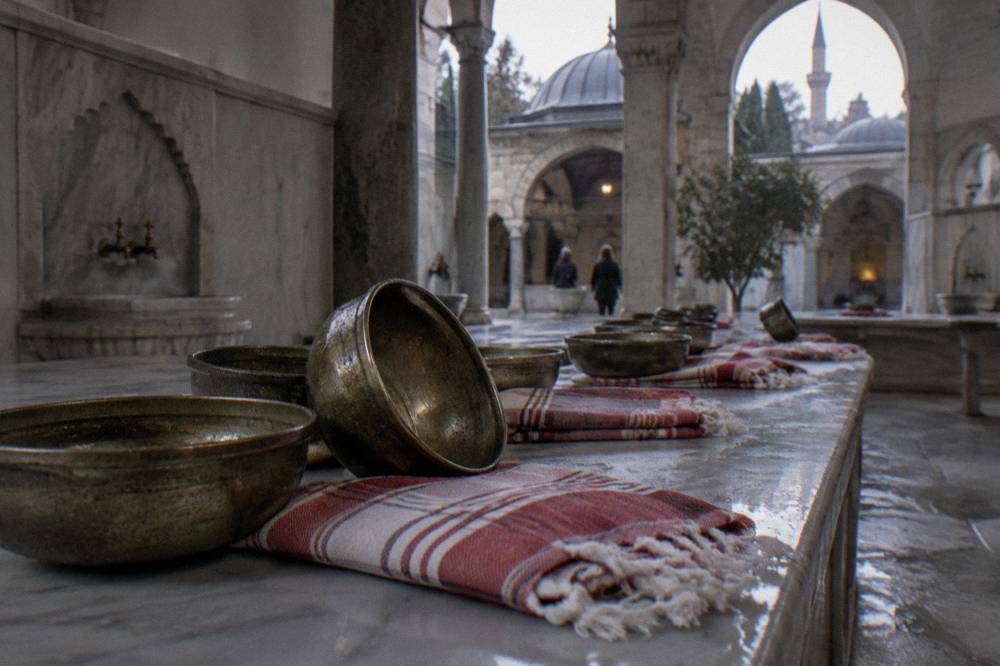
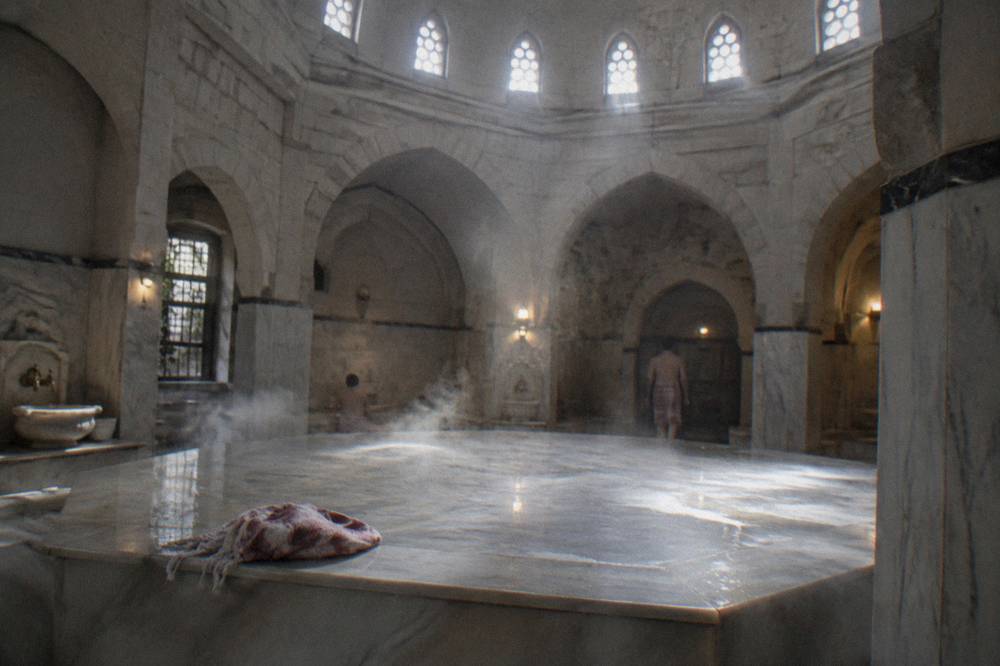
Every historic hamam in the city works from the same underlying choreography, and the differences between houses are matters of heat, pacing and extras rather than substance. The visitor changes into a peştemal, the woven waist cloth, in a changing cabin, then enters the hot room to warm through on the göbektaşı, the central marble platform that sits over the furnace. Warming is not a footnote: it softens the skin for the scrub and is the part first-timers most often cut short. An attendant then works the kese, a mitt that lifts off a surprising quantity of dead skin, before the foam, a cloud of soap lather massaged across the body and rinsed away with bowls of water.
What varies by house is everything around that core. At the Süleymaniye Hamam, for instance, the operator structures a 90 minute visit into 15 minutes of preparation, 30 minutes warming on the marble, 30 minutes of kese and soap wash, and 30 minutes of refreshment and rest. That is Süleymaniye's own published program and should not be projected onto Kılıç Ali Paşa, whose pages publish no such breakdown; what it does show is how much of a hamam visit is deliberately spent doing nothing. Readers who want the full walk-through, including what to bring and what to wear, have it in what happens in a Turkish bath.
A few practical notes carry across every house in this comparison. Swimwear is welcome at baths that say so: Çemberlitaş states guests may bring their own, and Süleymaniye provides shorts for men and bikini or shorts for women while also welcoming brought swimwear. Towels, soap and slippers are standard inclusions in the published entrance prices at the major tourist hamams, so none of these baths should require a separate rental fee. Tipping is the one gray area no operator publishes a rule for, and the right move is to ask at the desk rather than rely on a percentage heard secondhand, a point the hamam tipping guide covers without inventing a number.
How Does Kılıç Ali Paşa Compare With Other Historic Hamams?
Against its peers, Kılıç Ali Paşa offers a short, clearly priced menu in a Mimar Sinan building on the Beyoğlu waterfront: a 4,700 TL ritual and a 5,000 TL massage. Çemberlitaş publishes a three-tier euro menu from 57 EUR, the Ağa Hamamı undercuts it in lira at 3,100 TL cash, and the Zeyrek Çinili Hamam sits above the field with a 125 EUR signature ritual in a building reopened in September 2023.
The comparison table below uses each operator's own walk-in prices, in whatever currency the operator publishes, because converting between lira and euro lists would manufacture precision that no source supports. The euro figures are euro price lists, the lira figures are lira price lists, and the row labels say which is which.
| Bathhouse | Built | Signature Ritual Price | Menu Shape |
|---|---|---|---|
| Kılıç Ali Paşa, Tophane | 1578 to 1580, Mimar Sinan | 4,700 TL ritual | Two services plus child rates |
| Çemberlitaş, Old City | 1584, Mimar Sinan | 57 EUR entrance; 72 EUR with scrub; 92 EUR with oil massage | Three euro tiers |
| Ağa Hamamı, Cihangir | 1454 | 3,100 TL cash, 3,600 TL card | Two packages, cash and card rates |
| Zeyrek Çinili, Zeyrek | 1540s, Mimar Sinan | 125 EUR, 50 minutes | Six rituals, 125 to 300 EUR |
| Galatasaray, Beyoğlu | Since 1481 per its site | Not published | No prices on the page |
Age and pedigree do not map neatly onto price. The Ağa Hamamı is the oldest building in the table by three centuries yet the cheapest of the four published menus, while Zeyrek Çinili, a Sinan work of the 1540s restored over thirteen years before reopening in September 2023, prices its signature ritual at the top of the field with longer programs running 160 to 300 EUR. The Galatasaray Hamamı, whose own site says "Since 1481" and open daily 09:00 to 21:00, publishes no prices at all, which is a reminder that several working historic baths simply hold their menus at the door. For deeper background on the oldest surviving houses, the oldest hamams in Istanbul guide traces the lineage.
Where does Kılıç Ali Paşa actually sit for a visitor choosing between them? Its case rests on three things: the architecture, a Sinan dome a short walk from the Karaköy waterfront; the schedule, a clean women's morning and men's evening split that is easy to plan; and the menu's simplicity, two prices with no tier ladder to decode. Its weaknesses are equally concrete: no couple service, no published time structure, and no bookable listing on this site, which matters for travelers who want a cancellable reservation rather than a direct booking. The Old City houses, covered in the comparison above, are stronger for visitors staying in Sultanahmet; the Sultanahmet or Taksim guide works through that choice by neighborhood.
What About Families, Couples And Privacy Nearby?
Kılıç Ali Paşa's alternating sessions mean couples bathe separately and children aged 4 to 12 pay the 3,000 TL rate with no family package published. Travelers who want to bathe together, or who want a private hall rather than a shared one, are better served by roster listings: the Çukurcuma 1831 couples bath for pairs and the Gedikpaşa Hamam privacy option for families or shy first-timers, from $103 and $57 per person respectively.
The Gedikpaşa Hamamı in Fatih is the roster's answer to the privacy question. Its listing, "Gedikpaşa Hamam, Privacy Option", runs from $57 per person, 4.9 from 1,970 reviews, about 1 hour, with free cancellation shown, and an inclusion list that covers towels, single-use slippers, a private changing room, and a private section when that option is selected. The review pool is one of the largest on the roster, which is exactly the kind of evidence a claim like well reviewed should rest on. For visitors who find the communal hot room of a great historic bath intimidating, a private section at a mid-range price is a sensible first step, and Gedikpaşa's walk-in setting in Emin Sinan Hamamı Sokağı keeps the old-city texture.
For couples, the choice framed earlier bears repeating in one clause: Çukurcuma for bathing together, Kılıç Ali Paşa only for parallel sessions in separate sections. There is also a third path that suits some pairs, the private-suite spa hamams, hotel-floor baths with private rooms, which the hotel spa hamams guide inventories alongside the couples hamams guide. Families with children should note the age policies before choosing: Kılıç Ali Paşa charges 3,000 TL for ages 4 to 12, while the Cağaloğlu Hamamı does not admit children under 6 and requires an adult companion for anyone under 18, and some spa-floor listings exclude children under 12 or 13 outright.
Health restrictions cluster the same way. Beyond the pregnancy policies already listed, the Cağaloğlu Hamamı advises against use by guests with heart disease, diabetes or asthma, and several roster listings carry similar notes for heart conditions and high blood pressure. None of this is medical advice; it is what operators state, and anyone with a condition should ask a doctor before a hot-room session anywhere.
How Do You Plan A Tophane Hamam Visit?
Plan around the session clock, not the closing time: book the women's morning block by 14:15 or the men's evening block by 22:00, budget 4,700 TL for the ritual, reserve directly with the operator, and pair the bath with a Tophane or Karaköy afternoon since the district rewards an unhurried walk. If direct reservation does not suit, the Ağa, Çukurcuma and Gedikpaşa listings are the bookable fallbacks with free cancellation shown.
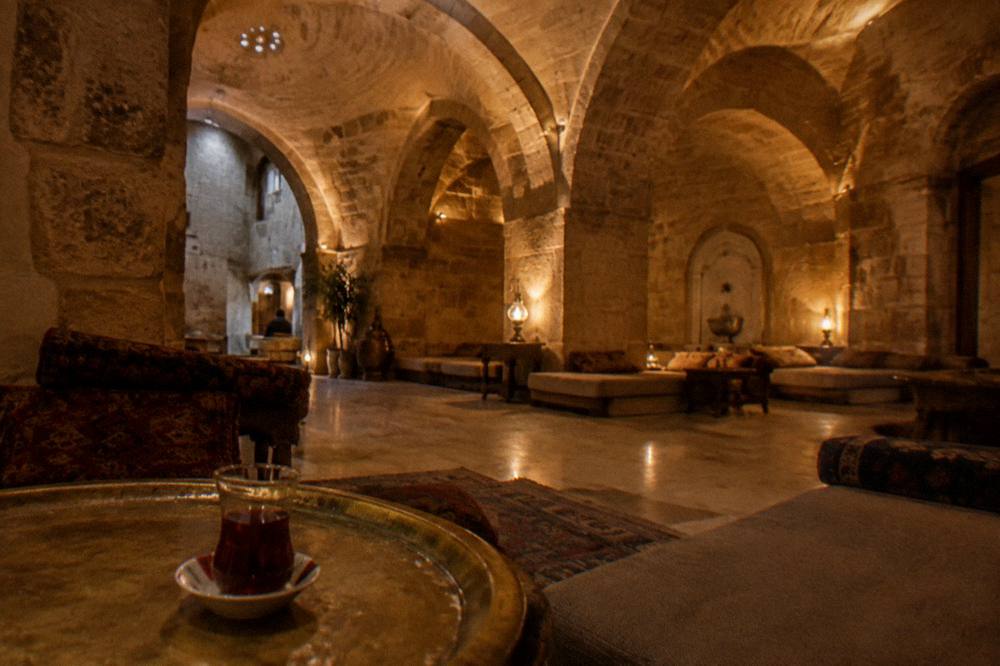
The sequencing advice is simple and worth following in order. Pick the session that matches your party, since the two sections never run together. Reserve ahead rather than walking in, which the operator's own reservation page is built for. Arrive with time to spare before the last-reservation cutoff, because a ritual cannot be compressed. Leave the hour or two after the bath unplanned: the classic hamam ending is a slow cool-down with tea, and Tophane's café and gallery row, plus the Karaköy waterfront a few minutes downhill, absorb that time well. In a longer stay, the pattern slots naturally into the Istanbul three day itinerary with a hamam.
Two blocks from Tophane, the same Beyoğlu ridge carries two more working historic baths already discussed, the Ağa Hamamı in Cihangir and the Galatasaray Hamamı on Turnacıbaşı Caddesi, so a visitor based in Beyoğlu can treat the whole ridge as hamam territory rather than a single destination. That density is the quiet argument for staying on this side of the water if baths are a priority, a trade-off the where to stay for hamam access guide maps by district. Whichever house wins, the essentials of this article hold: Hamam In Istanbul exists to keep the verified prices, hours and policies in one place, and the Kılıç Ali Paşa's own pages are the final word on its schedule.
For a quick decision: choose Kılıç Ali Paşa for the Sinan architecture and a direct, simply priced reservation in Tophane; choose the Ağa Hamamı for the oldest building and a bookable listing with free cancellation; choose Çukurcuma for a two-person ritual; choose Gedikpaşa for privacy at the lowest featured price. The three bookable options sit below for a final look.
Common Questions About The Kılıç Ali Paşa Hamam
What are the women's and men's hours at Kılıç Ali Paşa?
Women's hours run 08:00 to 16:00 with the last reservation at 14:15. Men's hours run from late afternoon until 23:30 with the last reservation at 22:00. The site header shows a men's start of 16:45 while the reservation page says late afternoon, so confirm the exact start when booking.
What do Kılıç Ali Paşa Hamam prices include?
The official reservation page lists the Traditional Hamam Ritual at 4,700 TL and the Full Body Massage, 50 minutes, at 5,000 TL. Children aged 4 to 12 pay 3,000 TL and infants aged 0 to 3 are free. These are operator lira prices for direct reservation, not the US dollar from-prices on this site's bookable listings.
Can you book Kılıç Ali Paşa through this site?
No. The roster has no listing for this bath, and reservations go through the operator directly. The nearest bookable alternatives are the Ağa Hamamı in Cihangir, the Çukurcuma 1831 couples bath, and the Gedikpaşa Hamam privacy option in Fatih.
Who built the Kılıç Ali Paşa Hamam and when?
Mimar Sinan built it between 1578 and 1580 for Kılıç Ali Pasha, the grand admiral of the Ottoman fleet, as a bath for the mariners of the Tophane arsenal. It stands at Kemankeş Mah. Hamam Sok. No:1, Tophane, Beyoğlu.
Can pregnant women use the Kılıç Ali Paşa Hamam?
No. The operator's FAQ states that pregnant women are not served. Several other Istanbul operators, including Cağaloğlu and Süleymaniye, publish the same restriction or recommendation, and anyone pregnant should ask a doctor before any heat-based treatment elsewhere.
Is there a couple service at Kılıç Ali Paşa?
The official pages publish no couple service, and the bath runs women-only and men-only sessions in a double-hamam layout, so couples bathe in parallel sections rather than together. Pairs who want a shared ritual should look at the Çukurcuma 1831 couples listing or the private-suite spa hamams.