What Is A Turkish Bath?
A Turkish bath explained in plain terms: the heated marble, the kese scrub and foam massage ritual, the three modern formats in Istanbul, and the real building dates from 1454 to 1741.
What Is A Turkish Bath?
A Turkish bath, or hamam, is a washing and heat ritual built around a domed hot room and a heated marble platform, where an attendant scrubs the body with a kese mitt and then works soap foam over it by hand. Istanbul's working examples include buildings from 1454, 1584 and 1741, and the ritual is bookable today in three distinct formats. Beyond the wash itself, visitors often wonder what the experience is actually meant to accomplish, and the full guide to what a hammam in Istanbul is used for explains each purpose, from the kese and foam cleanse to bridal ceremonies.
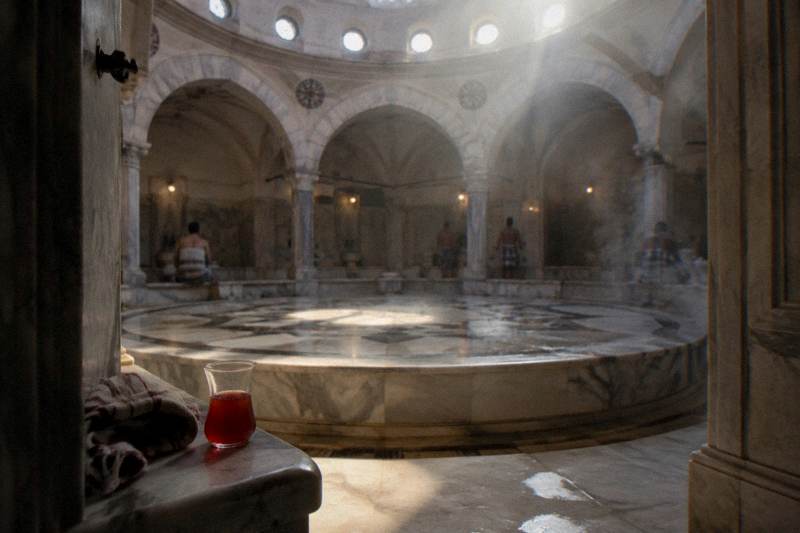
The definition is simpler than the mythology around it. A hamam is not a sauna, not a plunge pool and not a spa treatment room. It is a purpose-built bathhouse in which the building itself does half the work: the floor, the walls and the central marble platform, called the göbek taşı, are warmed from below, so the heat arrives through the stone you lie on rather than through scorching air. The wash is done for you, by an attendant of your own sex at the historic buildings, using a rough woven mitt and a pillow of soap foam squeezed from a saturated cloth. You leave clean in a way a shower does not achieve, which is the entire point, and which is why the ritual survived the arrival of home plumbing by more than a century.
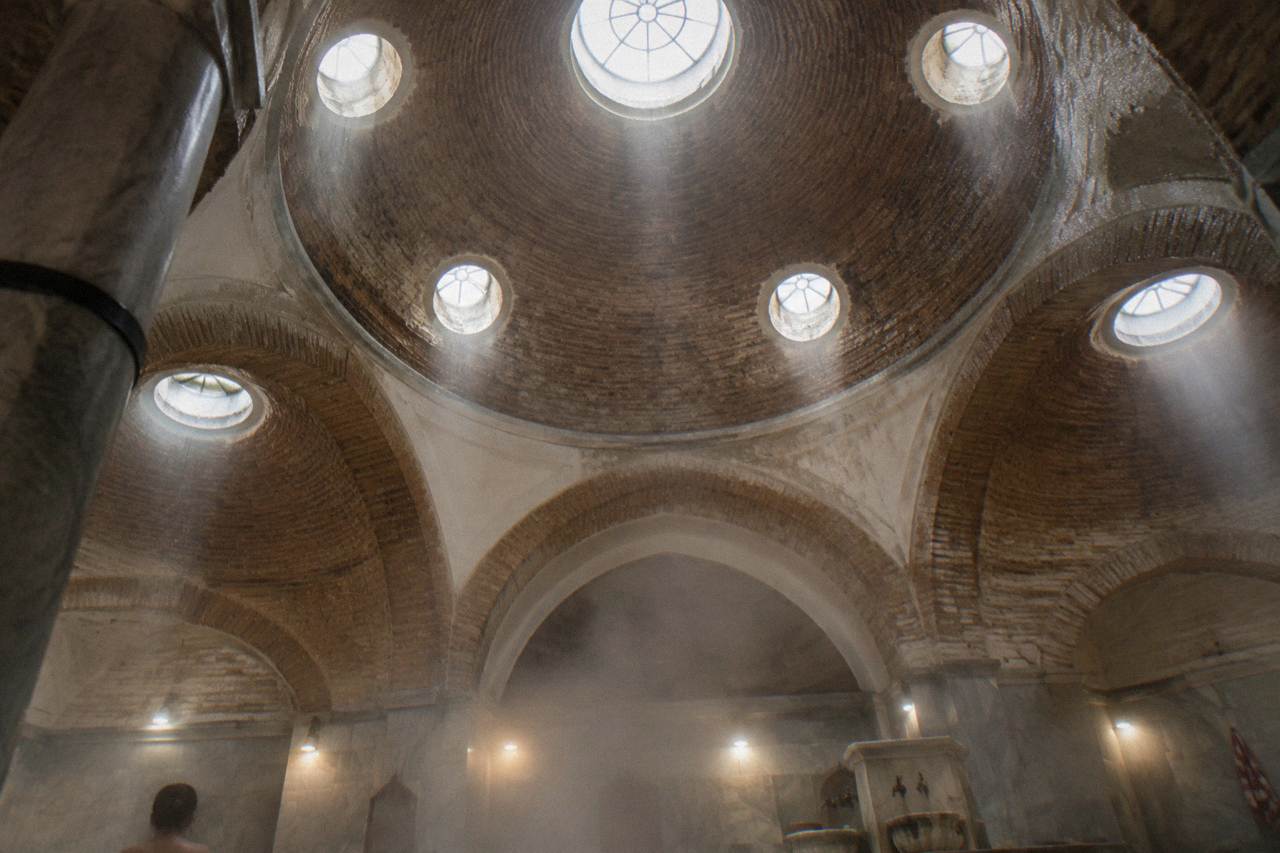
The lineage is Roman and then Byzantine. The Ottomans inherited the Roman bath logic of hot, warm and cool rooms, adapted it to Islamic cleanliness requirements and to Istanbul's plentiful water, and handed the design to their best architects. Mimar Sinan, the empire's chief architect, built hamams the way he built mosques, with domes pierced by small glass eyes that drop pins of daylight onto the marble. Several of his baths still trade today, and one of them, Zeyrek Çinili Hamam, reopened in September 2023 after a restoration that took 13 years, so the oldest idea in the city's wellness scene is also one of its most recently renewed. If all that history has you curious whether the experience justifies the price, our Turkish bath verdict for Istanbul visitors weighs who should book and who should skip the marble.
What confuses first-time visitors is that "Turkish bath" now covers three different products that share a name. The historic public hamam, the private spa bath inside a hotel or suite, and the tour combo that bolts a bath onto a guided walk all get sold under the same label, at prices from $19 to more than $200 per person on this site's roster. The sections below separate them. If you only remember one thing, remember this: the ritual is the constant, the marble and the kese and the foam, and the format is the variable you are actually choosing when you book. Once you know which format you want, the guide to what makes Istanbul's hamams special explains the ritual itself, from Sinan's architecture to the kese and foam massage.
Those three listings frame the choice well. The Cağaloğlu 1741 Hamam, Standard Packages listing is the historic-format benchmark, from $107 per person with 4.8 from 826 reviews. Acemoğlu, a 15th-century building in Fatih, is the local-value end at from $45 per person and 4.6 from 1,515 reviews. The Old City Private Bath listing, from $51 per person with 4.6 from 4,066 reviews, shows how far the private-spa format scales on volume. A fuller walk-through of the ritual itself comes next.
How Does A Turkish Bath Work?
You change into a peştemal in a private cabin, move into the hot room to sweat on the marble, then lie on the göbek taşı for the kese scrub and the foam wash, and finish with a rinse, an optional massage and tea. Süleymaniye Hamam structures its 90 minutes as 15 minutes of preparation, 30 on the stone, 30 of scrubbing and washing, and 30 of rest.
That 15/30/30/30 breakdown, published by Süleymaniye Hamam itself, is the clearest published map of a full session anywhere in the city, and it matches what the older buildings do in practice. The preparation block covers changing, the peştemal, the wooden clogs and the walk into the heat. The first half hour on the marble is the part visitors underestimate: you simply lie there and let the stone do its work, moving on and off the platform as the heat builds, while the dome's glass eyes throw light across the room. Nobody hurries you. The bath is a time budget before it is anything else, and a session squeezed into 30 minutes is a different experience from the 90-minute version even when the scrubbing is identical. That time budget is also the main reason prices vary so much from one bathhouse to the next, and our guide to hamam pricing and what drives the cost explains exactly what you are paying for.
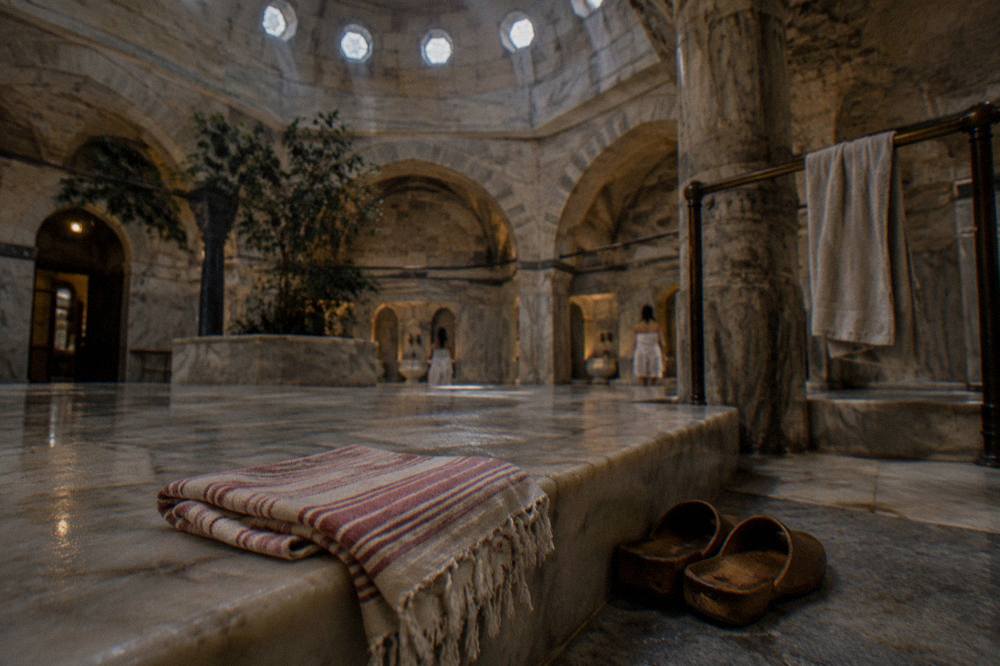
Then the kese. The attendant calls you to the platform, wets you, and draws the rough mitt across the body in long strokes, and the mitt lifts a gray roll of dead skin that no soap reproduces. It is brisk, matter-of-fact and more vigorous than most spa guests expect; the attendants at these buildings are professionals doing a trade job, not therapists whispering about energy. After the scrub comes the foam: the attendant works a cloth through soap until it holds a mattress of suds, spreads it over you, and massages through it. A cold-water rinse closes the sequence. Tea, sherbet or Turkish delight appear at several houses, including Cağaloğlu, where the listing names Turkish tea, home-made sherbet and Turkish delight among the inclusions.
The optional extras are where sessions diverge in length and price. Oil or aromatherapy massage in a private room, foot massage, collagen or clay masks, and hair washing all sit behind "if option selected" on most listings, which is why the same building sells a 45-minute visit and a 135-minute one. If you want the full traditional arc, hot room, kese, foam, then massage, book a package that names all three rather than hoping to add the massage at the desk. For a deeper step-by-step account, the site's guide to what actually happens in the bath walks the rooms in order.
One honest note on modesty: the historic hamams bathe men and women in separate sections with same-sex attendants, and that arrangement is centuries old. At the hotel-spa format the whole family or couple shares one private room instead. Neither is more authentic than the other; they solve the same question differently, and choosing between them is the single biggest decision in booking.
The classic place to run the full ritual for the first time is Cağaloğlu, the 1741 building a few minutes from the Bosphorus end of the Old City. Its standard package listing shows free cancellation and runs from $107 per person, with the kese, the foam, the marble rest and the tea all named in the inclusions.
What Are The Three Modern Formats?
Istanbul's hamam market splits into three formats: the historic public hamam with separate men's and women's sections, the private spa bath inside a hotel or suite where couples and groups stay together, and tour combos that bolt a bath onto a guided walk. Each format has a different price floor and a different social contract.
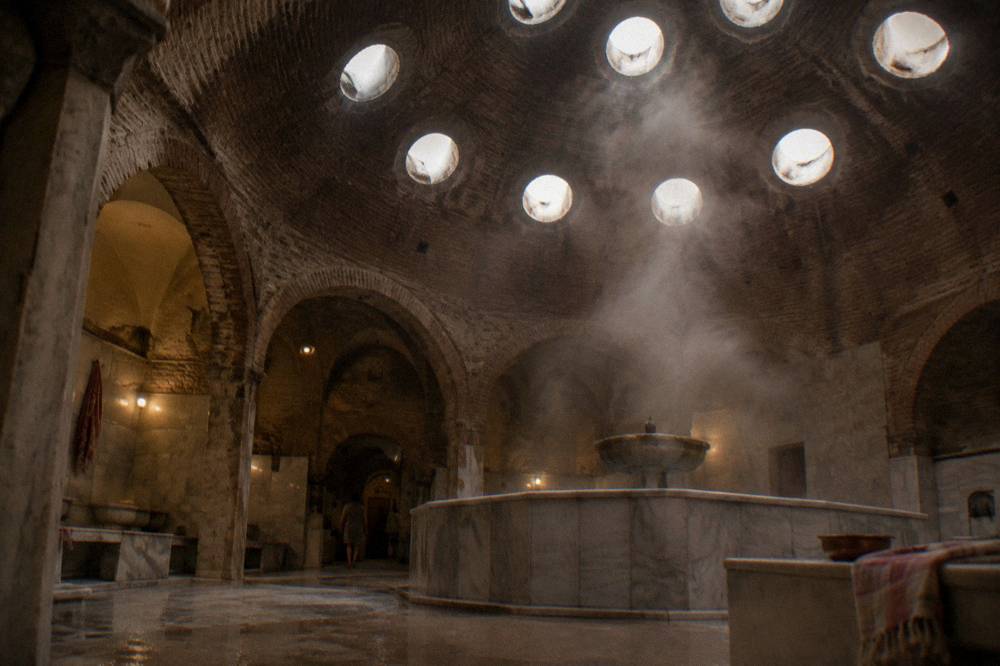
The historic format is the one people picture. You walk into a Sinan dome or the 1741 Ottoman hall at Cağaloğlu, share the hot room with strangers of your own sex, and are washed by an attendant who has done this thousands of times. Çemberlitaş, open daily from 06:00 to midnight, is the archetype: the official price list shows 57 EUR for entrance, 72 EUR for entrance with the 15-minute scrub and foam wash, and 92 EUR for the package adding a 30-minute aromatherapy oil massage, with towel, soap, shampoo and slippers folded into the entrance price. Cağaloğlu's own reservation page prices its six packages in euros from 95 to 400, from The Istanbul Dream up to the Elixir Of Cagaloglu Hammam, and states plainly that there is no couple service. That last detail matters: if you are traveling as a pair and want to be together, the historic format at these two houses is the wrong format, not a negotiable one. Before you book either house, check what a full hammam package covers, from the scrub and foam to towels and tea, so you know exactly what those euro prices buy.
The private-spa format trades the dome for togetherness and control. One booked room, your own thermostat of an experience, couples and mixed groups welcome, and usually sauna, sometimes a pool, folded in. The roster's private-spa listings run from about $34 to $62 per person at entry level, and the duration spreads are wide: the Old City Private Bath lists 50 to 125 minutes, the Taksim Private Bath, Sauna, Pool listing about 2 hours 30 minutes. Most listings here skip hotel pickup, which matters once you have walked Istanbul's hills in July. Acemoğlu sits interestingly between formats: a 15th-century building with 4.6 from 1,515 reviews at from $45 per person, whose listing includes clay mask, scrub, foaming ritual, coffee and tea, with a 30-minute massage behind an option.
The combo format is the youngest. Here the bath is the last stop of a guided walk, which suits visitors compressing the city into two days. The Old City Tour Plus Hamam, 6 Hours listing bundles a guided Old City walk, the Blue Mosque, the Hippodrome and a full hammam ritual with kese and foam, from $219 per person; it has one review, so treat it as unproven rather than praised. The Grand Bazaar Walk Plus Hamam listing, 3 hours from $84, is a new listing with no reviews yet. Combos cost more per bath minute than a bath alone, and the honest way to judge them is as walking tours with a good ending, not as discounted hamams. The site's guide to hamam and tour packages compares the available bundles in detail.
| Format | Setting | Who it suits | Roster example |
|---|---|---|---|
| Historic hamam | Buildings dating from 1454 to 1741, separate men's and women's sections | Solo travelers, tradition seekers, first-timers who want the real thing | Cağaloğlu 1741 Hamam, Standard Packages, from $107, 4.8 from 826 reviews |
| Private spa bath | Hotel or spa-suite private room, sauna and often pool | Couples, families, groups, anyone wanting privacy | Old City Private Bath, from $51, 4.6 from 4,066 reviews |
| Tour combo | Guided walk ending at a bath | Visitors with one or two days total | Grand Bazaar Walk Plus Hamam, from $84, new listing, no reviews yet |
Price sanity across the whole market is easier with numbers side by side, and the site's Istanbul hamam prices guide puts the roster's listings and the operators' own walk-in rates into one comparison.
How Are Traditional Hamams Heated?
Traditional hamams are warmed from below: flues carry hot smoke from a wood fire under the marble floor and up inside the walls, so the stone itself radiates heat. Süleymaniye Hamam publishes a room temperature of 38 to 40 C, which is why the hot room feels like a warm evening rather than a sauna's blast.
This is the engineering fact that separates a hamam from every bath a Northern European visitor knows. The fire, historically wood, burns in a furnace below the floor for hours before the bath opens. Smoke never enters the rooms; it travels through channels under the marble and climbs within the walls to exit high in the structure, warming every surface it passes. The göbek taşı, the raised central platform, sits directly over the hottest point, which is why the attendant keeps moving you across it. Lie still at 38 to 40 C on conductive stone and the body warms steadily from the surface inward, a gentler curve than dry sauna heat and one reason the ritual suits people who dislike saunas.
The marble is not incidental. Stone holds and spreads heat evenly, cleans visibly, and stays pleasant under a wet body where tile turns clammy. The dome above does the second job: its small glass eyes admit light but little heat loss, and the curvature keeps rising steam circulating back down over the bathers instead of pooling. Sinan's baths are studied for these choices half a millennium later, and the buildings from the 1540s, the 1550s and 1584 that still trade in Istanbul are working demonstrations of the design.
Not every modern listing still fires wood, and the private-spa format mostly uses conventional heating wrapped around a heated slab, which reproduces the surface warmth without the furnace. The distinction changes nothing you do in the room. What it changes is texture: the historic buildings breathe, sweat and creak, and the marble under you has been warm on and off since before the steam engine. That continuity is the quiet sell of the format, and it is a real one, documented building by building rather than invented by marketing.
Which Istanbul Hamams Are Centuries Old?
Istanbul has working hamams from five different centuries. Ağa Hamamı dates to 1454, Galatasaray traces itself to 1481, Sinan's Zeyrek Çinili went up in the 1540s, his Ayasofya Hürrem Sultan bath was finished in 1556 to 1557, Çemberlitaş followed in 1584, and Cağaloğlu, built in 1741, was the last bath constructed in the Ottoman Empire.
The spread is the remarkable part. The oldest and the newest on that list are separated by nearly 300 years, and both sell the same scrub. Ağa Hamamı in Cihangir, trading since 1454, publishes hours of 10:00 to 22:00 daily and prices its Traditional Package, entrance with peeling and foam bath, at 3,100 TL cash or 3,600 TL by card, with a Massage Package adding a 20-minute oil massage at 5,100 TL cash. Galatasaray Hamamı in Beyoğlu carries "Since 1481" on its own site, opens 09:00 to 21:00, and publishes no price at all, which at a historic building usually means asking at the desk. These two are local baths first and sights second, and their price level reflects it.
Sinan's cluster anchors the middle of the timeline. The Ayasofya Hürrem Sultan Hamamı, built in 1556 to 1557 for the wife of Süleyman the Magnificent, sits physically between the Blue Mosque and Hagia Sophia on the site of the ancient Baths of Zeuxippus, with the men's and women's sections built as mirror images on one axis. It closed as a bath in 1910, spent decades as storage and a carpet bazaar, and reopened as a working hamam in May 2011 after a three-year restoration. Çemberlitaş, from 1584, was built by Sinan as a foundation for Nurbanu Sultan and runs today as a dual hamam with separate men's and women's sections and same-gender attendants.
| Hamam | Built | Architect | Status and note |
|---|---|---|---|
| Ağa Hamamı | 1454 | not stated on its site | Open daily 10:00 to 22:00, oldest on this list |
| Galatasaray Hamamı | since 1481 | not stated on its site | Open daily 09:00 to 21:00, no published price |
| Zeyrek Çinili Hamam | 1540s | Mimar Sinan | Reopened September 2023 after 13-year restoration, closed Mondays |
| Ayasofya Hürrem Sultan Hamamı | 1556 to 1557 | Mimar Sinan | Reopened May 2011, between Blue Mosque and Hagia Sophia |
| Süleymaniye Hamamı | 1550 to 1557 | Mimar Sinan | Mixed couples and families by reservation, under 16 not admitted |
| Çemberlitaş Hamamı | 1584 | Mimar Sinan | Dual hamam for Nurbanu Sultan, open 06:00 to 00:00 |
| Cağaloğlu Hamamı | 1741 | not stated here | Last bath built in the Ottoman Empire |
Cağaloğlu closes the list and, by its own account, closed the empire's bath-building era with it: constructed in 1741 by order of Sultan Mahmud I, it describes itself as the last bath built during the Ottoman Empire and has now served bathers for over 300 years. The Cağaloğlu 1741 Hamam, Standard Packages listing, from $107 per person with 4.8 from 826 reviews, is this site's featured booking for the format, Check availability if the 1741 hall is the one you want.
Two roster honesty notes from the site's own records: there is no bookable listing for Kılıç Ali Paşa, Zeyrek Çinili, Galatasaray or the Süleymaniye Hamamı itself, and the "Süleymaniye-Area Budget Bath" product is a different bath in that district, not Sinan's building. For the unlisted houses you book direct with the operator; for everything on the roster you book the listing.
What Should You Know Before Your First Turkish Bath?
Most adults can take a Turkish bath, but the operators publish firm exclusions: Cağaloğlu does not accept pregnant guests, bars children under 6, and advises against use with heart disease, diabetes or asthma, while Süleymaniye does not admit guests under 16. Swimwear is welcome at several hamams, sections are single-sex at the historic buildings, and some houses require a booked slot.
Start with the health line, because it is the one with consequences. Cağaloğlu's official reservation page states that pregnant guests may not receive services, that children under 6 are not allowed, that guests under 18 must be accompanied by an adult, and that the house advises against use by guests with heart disease, diabetes or asthma and takes no responsibility for related issues. Several roster listings repeat the same exclusions in their own wording, and a few add more: the Şifa Hamam listing names the same four groups, and hotel-spa listings commonly exclude pregnant guests outright. The rule for readers is blunt. If any of these describe you, ask a doctor first, then ask the specific bath, because the policies are the operator's to set and they differ house by house.
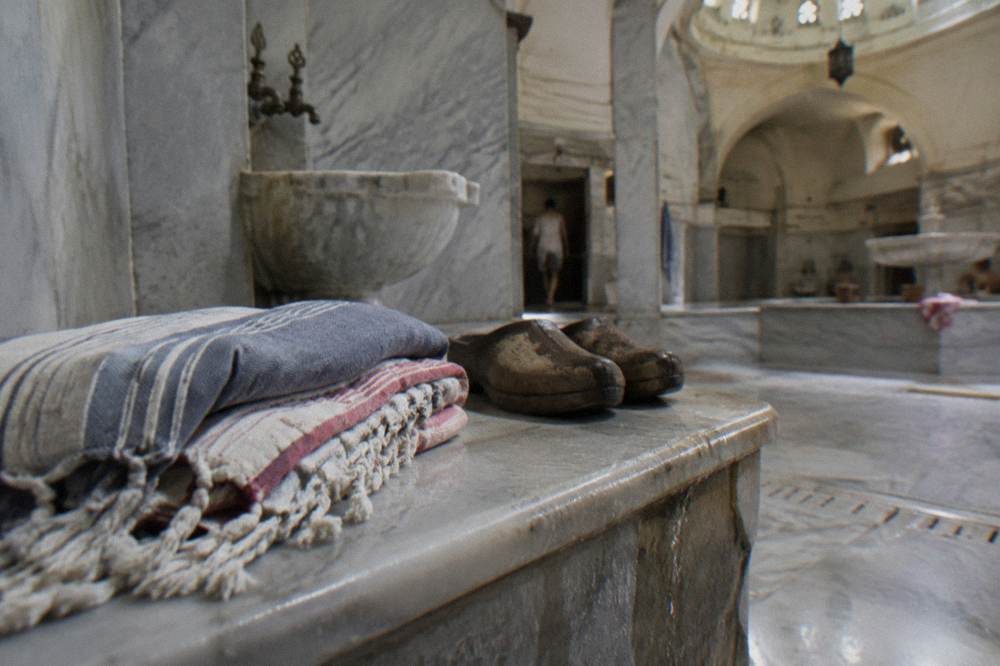
On clothing, the practical answer is that you wear what the house gives you and what you negotiate with your own comfort. The peştemal, the thin woven wrap, is the standard garment, and the listings supply it along with towels and single-use slippers. At the same time, several operators state openly that you may bring your own swimwear: Çemberlitaş says so in its FAQ, and Süleymaniye hands out bikini and shorts for women and shorts for men while welcoming brought swimwear. Nobody is obliged to disrobe beyond their comfort, and at the private-spa format the question barely arises since the room is yours. The separate-sections rule at the historic buildings is not a preference, it is the architecture: Çemberlitaş and Kılıç Ali Paşa run physically divided men's and women's sides with same-gender attendants, while Süleymaniye instead runs a mixed shared setting for couples and families, with all-male attendants, by reservation only.
Booking and timing deserve one clear paragraph. The historic houses that take reservations want them, and Süleymaniye advises reserving 2 to 3 days ahead; walk-ins work at some buildings but fail on busy afternoons. Session length is a real choice, from the 45-minute express versions to the 135-minute full packages at Cağaloğlu, and first-timers consistently do better with the longer end because the hot-room rest is the part that cannot be rushed. Cancellation is generous across the roster, with free cancellation shown on nearly every listing, so booking ahead costs little flexibility. Check the operator's contact page for the women-only and men-only hour blocks at the houses that split their day.
If the private-spa format solves your situation better, the Old City Private Bath listing is the volume leader: 4.6 from 4,066 reviews, 50 to 125 minutes, price on the live listing, in a private room that keeps a couple or a family together.
One last framing thought before the practical questions. A Turkish bath is a rare thing, a working ritual inside a working museum, where the 90 minutes you buy are structurally the same 90 minutes a bather at Çemberlitaş in 1584 bought, down to the mitt and the foam. Whether you spend $19 at a budget bath in Fatih or 400 EUR on Cağaloğlu's top euro package, the sequence underneath is identical, and knowing that is the difference between shopping for a spa and choosing a bathhouse. For more on where the ritual came from and which house earns your money, start with the site's guide to the best Istanbul hamams and work outward from there. More on the operator Hamam In Istanbul and its roster of 22 bookable baths is on the homepage.
Common Questions About Turkish Baths
What Is A Turkish Bath?
A heat-and-wash ritual in a purpose-built bathhouse: you rest on heated marble until the body warms, then an attendant scrubs you with a kese mitt, washes you with hand-worked soap foam, and rinses you clean. Istanbul's working hamams include buildings from 1454, 1584 and 1741, and the ritual is sold today as a historic bath, a private spa bath, or a tour combo.
Is A Turkish Bath The Same As A Sauna?
No. A sauna heats the air, dry and often past 80 C, while a hamam heats the stone: Süleymaniye Hamam publishes a hot room temperature of 38 to 40 C, with warmth radiating from the marble floor and platform. The hamam also includes washing by an attendant, which a sauna never does.
Do You Wear Anything In A Turkish Bath?
You wear a peştemal, the thin woven wrap the house provides, with towels and single-use slippers standard on the listings. Several operators, including Çemberlitaş and Süleymaniye, state that bringing your own swimwear is welcome. At the private-spa format the room is yours, so dress is entirely your call.
Can Couples Take A Turkish Bath Together In Istanbul?
Yes, but only in the right format. Cağaloğlu officially has no couple service, and the historic buildings generally run separate men's and women's sections. Couples should book a private-spa listing, such as the Old City Private Bath from $51, or head to Süleymaniye Hamam, which runs a mixed shared setting for couples and families by reservation.
How Long Does A Turkish Bath Take?
Plan on 45 minutes to two hours. Süleymaniye structures its 90-minute session as 15 minutes of preparation, 30 on the marble, 30 of scrubbing and washing, and 30 of rest and refreshments. Roster durations range from about 45 minutes at Cağaloğlu's foam package to about 2 hours 30 minutes at the Taksim private bath listings.
How Much Does A Turkish Bath Cost In Istanbul?
Roster listings run from $19 per person at a budget Fatih bath to $219 for a 6-hour tour combo, with historic-package listings from $45 to $124 and premium rituals higher. Operator walk-in rates differ in type: Çemberlitaş prices 57 to 92 EUR direct, Cağaloğlu 95 to 400 EUR in euro packages, Ağa Hamamı 3,100 to 5,600 TL. Listing prices and operator prices are different price types; compare like with like.