What Is So Special About A Turkish Bath In Istanbul?
What makes a Turkish bath special: Sinan's hamam architecture, under-floor heating, the kese and foam ritual, honest costs, and how a hamam compares with a modern spa.
What Is So Special About A Turkish Bath?
A Turkish bath is special because it is a working piece of Ottoman engineering. Domed halls are heated through the stone itself, the scrub and foam ritual is older than most of the buildings, and in Istanbul you can still bathe inside a monument the imperial architect Mimar Sinan completed in 1557. All that heritage and hands-on ritual naturally affects the price, so if you're wondering about cost, our guide to Istanbul hamam pricing explains exactly what you're paying for.
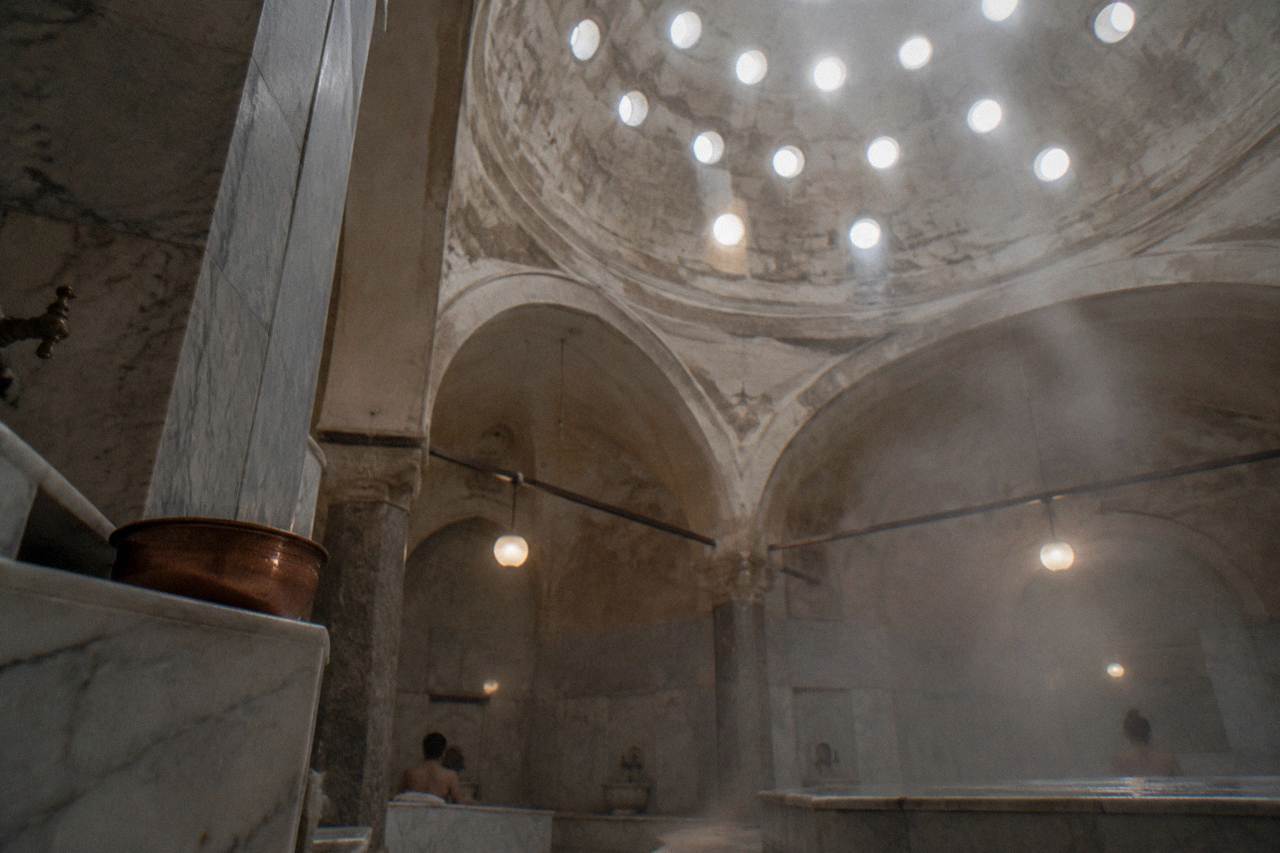
The short answer is that a hamam is not a spa with historical decoration. It is a bathhouse that has been running the same way for centuries, in buildings that were engineered for exactly this job: a furnace under the floor warming marble slabs, small glass circles in the dome pulling light into a steamy hall, and a sequence of warming, scrubbing, foaming and rinsing that has barely changed since Ottoman times. The heat comes up through the stone rather than out of a jet. The treatment is done by a person with a glove and a bucket, not by a machine.
The lineage matters too. The hamam descends from the Roman bath and passed through Byzantine Constantinople before the Ottomans gave it its current form, so when you lie on a warm marble platform in Çemberlitaş you are lying in a direct descendant of the thermae. Few cities let you use their oldest surviving buildings this way. Istanbul does, and several of them were designed by the same architect who gave the city its grandest mosque complexes.
The third thing is social. Historically the hamam was a place for weddings, for mothers inspecting prospective daughters-in-law, for barbers and storytellers, a public institution rather than a private indulgence. The tourist version is quieter, but the structure survives: a shared hall, a ritual done in the open, and a long rest with tea at the end. That combination, architecture plus heat plus ritual, is what no modern spa has managed to copy, and it is why the question in this article's title has a real answer rather than a marketing one.
For most visitors the choice comes down to three buildings in the Old City and Beyoğlu, and the trio below is where a first bath usually lands.
Sinan Built Hamams Like Cathedrals
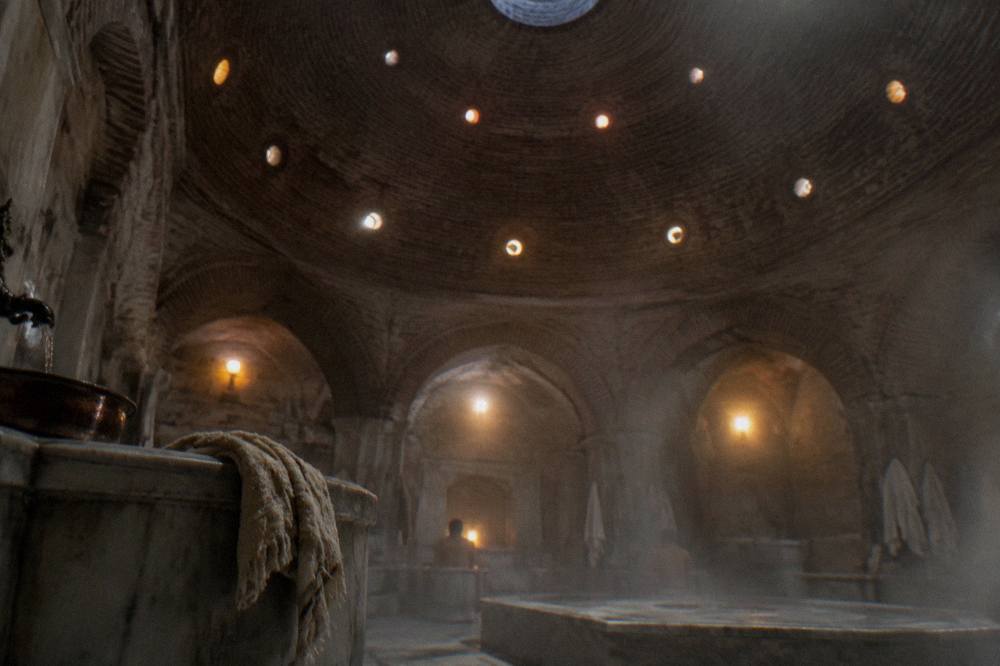
The special ingredient is architecture at cathedral scale. Mimar Sinan, the imperial architect, built the Ayasofya Hürrem Sultan Hamamı between 1556 and 1557 with men's and women's sections laid out as mirror images, and his practice continued at Süleymaniye from 1550 and Çemberlitaş in 1584.
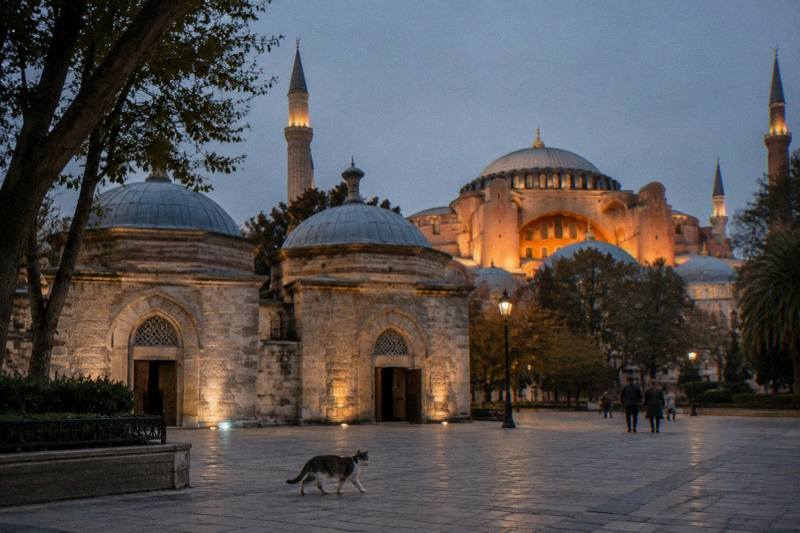
Mimar Sinan is the name to know. He was the imperial architect, and he treated bathhouses with the same seriousness he gave mosques. The Ayasofya Hürrem Sultan Hamamı sits directly between the Blue Mosque and Hagia Sophia, on the site of the ancient Baths of Zeuxippus, and its men's and women's sections were built on the same axis as mirror images of each other, a piece of symmetry you can still read in the plan today, as the Istanbul Convention and Visitors Bureau's page on the hamam records. That building had a strange afterlife, closing as a bath in 1910, serving at one point as a carpet bazaar, and reopening for bathing in May 2011 after a three-year restoration.
Çemberlitaş tells a different founding story. Sinan built it in 1584 as a dual hamam, with separate men's and women's sections, as a foundation for Nurbanu Sultan, wife of Selim II, and it still stands on Divanyolu a short walk from the T1 tram stop of the same name, as its own site explains. Süleymaniye Hamamı carries the dates 1550 to 1557 and works differently from the rest: it runs as a mixed facility where couples and families bathe together in a shared setting, with reservations required and guests under 16 not admitted.
The bookable listing for the Sinan bath between the two great monuments, the Ayasofya Hürrem Sultan Hamam, runs from $124 per person, 4.8 from 578 reviews, with sessions of 45 to 110 minutes depending on the package you pick; aromatherapy massage, a private massage room and a fruit plate come as options. Free cancellation is shown on the listing, which matters when plans in Istanbul shift, as they often do. Check availability
Here is the short version of who built what, and when.
| Hamam | Built | Patron | What Stands Out |
|---|---|---|---|
| Süleymaniye Hamamı | 1550 to 1557 | Not stated on the operator's site | Mixed sessions for couples and families, reservation only |
| Ayasofya Hürrem Sultan Hamamı | 1556 to 1557 | Hürrem Sultan (Roxelana) | Mirror-image men's and women's sections on one axis |
| Kılıç Ali Paşa Hamamı | 1578 to 1580 | Kılıç Ali Paşa | Women's and men's hour blocks, no listing on this site |
| Çemberlitaş Hamamı | 1584 | Nurbanu Sultan | Dual hamam with separate sections, open 06:00 to 00:00 |
| Cağaloğlu Hamamı | 1741 | Sultan Mahmud I | The last bath built in the Ottoman Empire |
One honest note for planners: Kılıç Ali Paşa has no bookable listing on this site's roster, so if that building calls to you, the reservation goes through the operator directly. The same applies to Zeyrek Çinili and Galatasaray, both of which appear later in this article.
Heat From Below: Fire, Stone, And Marble
The heat is the part no modern spa copies cheaply. At Süleymaniye the operator keeps the hot room at 38 to 40 degrees, warmth that rises through the floor and the marble from a furnace below, so the stone itself, not the air, does most of the work.
This is the engineering idea that makes a hamam feel unlike anything else. The hot section is built over a firebox, and the warmth travels up through the floor and into the great marble platform at the center, the göbektaşı, where bathers lie and sweat. The air stays gentle while the stone gets deep, which is why a hamam session feels nothing like a sauna: you are being warmed by contact, not blasted by dry air. The Süleymaniye operator's own site gives the working heat as 38 to 40 degrees, a useful anchor for anyone who finds saunas punishing.
The stones shape the ritual. Because the göbektaşı is the warmest point, the session moves across it in stages: you lie near the edge to warm up, work toward the center as your body adjusts, and the attendant does the scrub where the marble is hottest and the muscles most relaxed. Basins of hot and cooler water sit around the walls, and you pour them over yourself between stages. Nothing about this layout is decorative; every surface in the room has a job.
Süleymaniye publishes the clearest structure for how a 90-minute visit runs, and it is a fair picture of the traditional format anywhere: 15 minutes of preparation and welcome, 30 minutes warming and resting on the marble, 30 minutes of kese scrubbing and soap massage, and a final 30 minutes for refreshments, relaxation and changing. That last block is not padding. The rest period is when the body cools slowly, and operators treat it as part of the treatment, serving tea while you sit wrapped in a towel.
Heat is also where the health honesty belongs. Historic hamams are warm, humid and physical, and operators themselves post the limits: Cağaloğlu's reservation page states that pregnant guests are not accepted and advises against use by guests with heart disease, diabetes or asthma. The booking listings carry the same restrictions. Anyone with a medical condition should ask a doctor before booking, and the attendants will always take no for an answer at the door.
The Ritual: Kese, Foam, And Rest
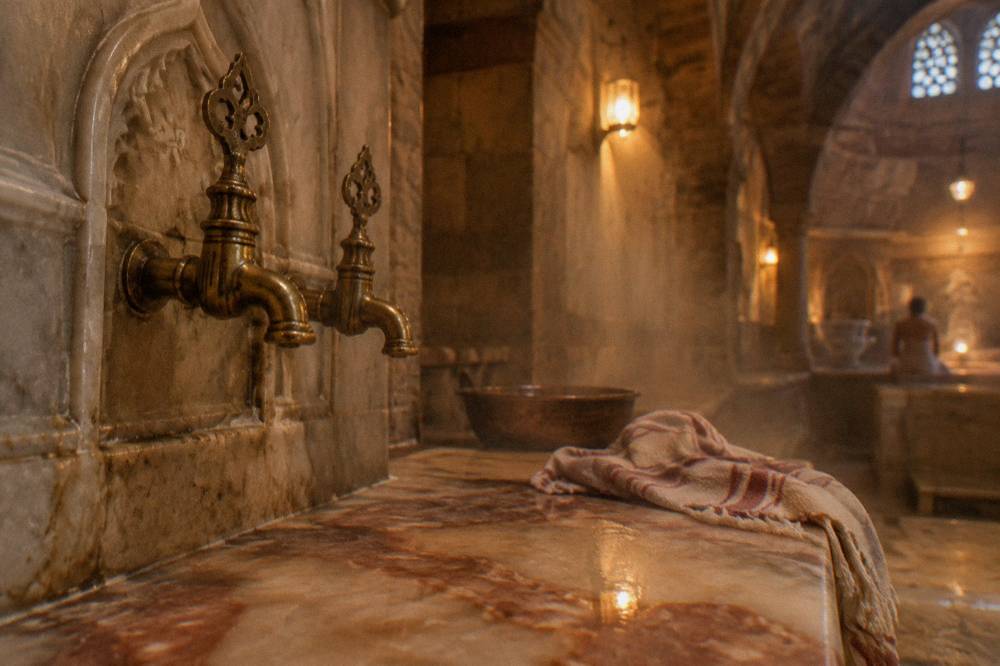
The ritual is a fixed sequence, not a menu. You warm up on the heated marble, an attendant scrubs you with a one-use kese glove, works a cloud of foam over your skin, rinses you with water from a copper bowl, and then you rest with tea. Every step has a purpose.
The kese is the heart of it. The attendant wears a rough woven mitt, the kese, and scrubs the whole body in firm strokes, and at the historic baths the glove is single-use, opened fresh for you and discarded after. What comes off the skin is immediate and slightly shocking the first time, which is precisely why people remember a hamam for years. Then comes the foam: the attendant works a cloth bag of olive oil soap into a dense cloud, squeezes it over you, and massages the foam in, a sensation somewhere between being washed and being hugged by a cloud.
After the foam comes a rinse, sometimes with cool water as a contrast to the marble, and then the recovery. Tea, sherbet, Turkish delight: the closing service is part of the package at the traditional houses. The Cağaloğlu listings include Turkish tea, home-made sherbet and Turkish delight alongside linden shampoo and body lotion; the Ağa Hamamı listing includes afternoon tea and drinks; Şifa Hamam near Sultanahmet sends you off with tea and a locker for your things. For a full walkthrough of every stage, the guide to what happens inside a Turkish bath goes step by step, and the piece on kese scrub and foam massage breaks down the two central techniques.
What surprises many first-timers is how little of it is optional in the moment. You can decline the massage add-ons, choose a shorter package, or pick a private section at baths that offer one, but the scrub and foam are the bath; skipping them turns the visit into an expensive sit on a warm rock. In that sense the hamam is closer to a fixed tasting menu than to a spa card, and knowing that in advance is the difference between feeling pushed around and feeling looked after.
The people make the difference too. Attendants at the historic baths are professionals of a trade with its own rhythm, and regulars ask for them by name. Tipping them is customary, though no operator publishes a rule or a percentage; the honest instruction is simply to ask at the desk what is normal, which the site's hamam tipping guide covers in detail.
Turkish Bath Or Modern Spa: An Honest Comparison
A modern spa sells privacy, jets, and consistency; a hamam sells heat, touch, and history. In Istanbul the honest comparison is not which is better but which experience you actually want, because the two overlap far less than spa menus suggest.
Istanbul's five-star hotels have noticed that travelers want a Turkish bath without the communal hall, and several now run serious hamam programs of their own. The Park Hyatt at Maçka Palas offers a 45-minute traditional hammam for 115 euros and a 90-minute version with steam, scrub, rose soap foam, a signature massage and herbal tea for 175 euros. Raffles Istanbul has three traditional hammams including private suites for couples, with journeys of 90 to 195 minutes, and holds a Forbes Travel Guide Five-Star spa rating. Çırağan Palace Kempinski opens its Sanitas spa day services to non-guests, with Turkish bath rituals and spa hours from 07:00 to 23:00. Before you book any of these spa hamams, check the published hamam house rules on reservations, swimwear, and arrival etiquette.
Those are good products, and for some visitors they are the right call. The private suites answer the modesty question before it is asked, the massages run longer, and the temperature dials are modern. What they cannot supply is the other half of what a hamam is: a 400-year-old domed hall, the sound of water on marble, the sense of joining a ritual rather than purchasing a treatment. The hotel hammam is a spa that uses hamam techniques. The historic hamam is the original object.
| Historic Hamam | Hotel Spa Hammam | |
|---|---|---|
| Setting | Monument built between 1550 and 1741, domed hot room | Hotel spa floor, private suites common |
| Heat | Stone warmed from below, gentle humid air | Controlled steam, dial-adjusted |
| Treatment | Fixed sequence: warm, kese scrub, foam, rinse | Menu of rituals, massage-led, 45 to 195 minutes |
| Privacy | Communal sections by gender, or private options | Private rooms as standard, couples suites available |
| Sample price | Çemberlitaş entrance 57 EUR at the operator | Park Hyatt 45-minute hammam 115 EUR |
| What you leave with | A ritual inside a monument | A treatment inside a hotel |
The overlap is smaller than it looks from the table. A hamam session is shorter on massage minutes and longer on everything else: the heat soak, the scrub, the rest, the building itself. Travelers who book a hamam expecting a 60-minute aromatherapy massage often leave disappointed; travelers who expect a bath come out converted. Knowing which of those two people you are, before you pay, is most of the decision, and the price guide on this site breaks down what a hamam in Istanbul costs bath by bath.
For couples the comparison tilts again, because most historic hamams bathe men and women in separate sections. Süleymaniye is the historic exception with its mixed family sessions, Çukurcuma Hamamı in Beyoğlu sells a dedicated couples package from $103 per person, 5.0 from 188 reviews, and the hotel-spa category has couples suites. The site's couples hamam guide maps all of the options honestly, including where the answer is simply no.
The Last Ottoman Bath And Other One-Off Stories
Every bath on this list holds one record. Cağaloğlu, built in 1741 by order of Sultan Mahmud I, was the last bath constructed in the Ottoman Empire, Ağa Hamamı claims 1454, and Zeyrek Çinili came back in September 2023 after thirteen years of restoration.
Cağaloğlu is the collector's item. Its own site describes it as the last bath built during the Ottoman Empire, constructed in 1741, and the building still operates as a working hamam rather than a museum piece. The official reservation page lists six packages by name, from The Istanbul Dream at 95 euros up to the Elixir Of Cagaloglu Hammam at 400 euros, with Tip to Toe at 135, the Cagaloglu Hammam at 170, The Ottoman Luxury Service at 240 and Sultan Mahmud The First at 300 in between. The same page states plainly that there is no couple service, that pregnant guests are not accepted, and that children under 6 are not allowed, with under-18s needing an adult.
The bookable Cağaloğlu listings start lower than the operator's premium tiers: the standard package runs from $107 per person, 4.8 from 826 reviews, with durations of 45 to 135 minutes depending on options, and includes the hot room, the one-use kese, the foam massage, tea, sherbet and Turkish delight. Aromatherapy massage in a private room, a collagen mask and a full body clay mask are all selectable extras. Free cancellation is shown on the listing.
Ağa Hamamı holds the age record among the bathhouses with verified founding claims: 1454, per its own site, which makes it the oldest on this page, older than Sinan's entire output. It sits in Cihangir on the Beyoğlu side, opens every day at 10:00 and closes at 22:00 with a request that visitors arrive by 20:00, and prices its traditional package, entrance with peeling and foam, at 3,100 TL in cash or 3,600 TL by card. The bookable listing runs from $84 per person, 4.6 from 459 reviews, with afternoon tea included.
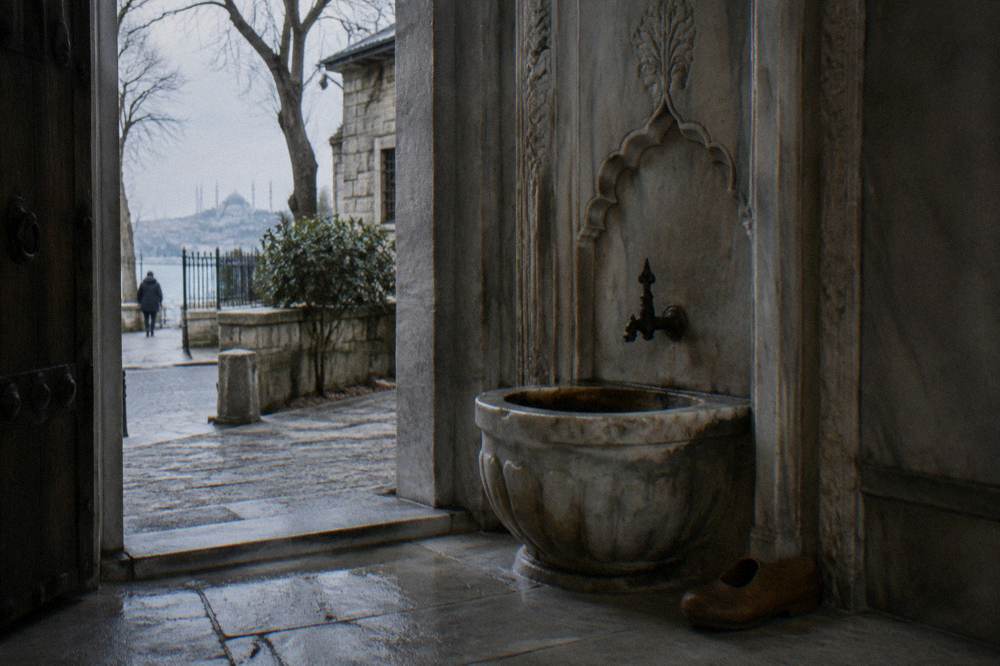
Zeyrek Çinili is the newest old story. Sinan built it in the 1540s, it closed for a restoration that ran thirteen years, and it reopened in September 2023 as a meticulously restored bathhouse with a museum floor around it. It baths visitors Tuesday to Sunday from 08:00 to 22:00 and closes Mondays, and its bathing menu starts at The Original, a 50-minute scrub and foam at 125 euros, with longer packages from 160 to 300 euros. There is no bookable listing for Zeyrek Çinili on this site's roster, so reservations go through the operator.
What A Turkish Bath Costs Today
Prices split into two honest types. Operators sell walk-in packages in euros or lira, like Çemberlitaş at 57 euros for entrance and 92 for the luxury package, while booking listings sell the same buildings in dollars, like the Cağaloğlu listing from $107 per person.
Neither type of price is wrong; they are different products. The operator's walk-in price is what you pay at the door, in the currency the bath publishes, sometimes with a cash discount as at Ağa Hamamı. The listing price is what a booking platform charges for a packaged version with a fixed scope, extras you can select in advance, and usually free cancellation up to 24 hours, which most listings in this roster show. Comparing a 57 euro walk-in entrance to a 124 dollar listing is only fair when you remember the listing typically bundles the scrub and the foam, not just the door.
| Hamam | Official Operator Price | Bookable Listing |
|---|---|---|
| Çemberlitaş | Entrance 57 EUR, scrub and foam 72 EUR, luxury 92 EUR | From $124, 4.5 from 52 reviews |
| Ayasofya Hürrem Sultan | Not published | From $124, 4.8 from 578 reviews |
| Cağaloğlu | Six packages, 95 to 400 EUR | From $107, 4.8 from 826 reviews |
| Ağa Hamamı | Traditional 3,100 TL cash, 3,600 TL card | From $84, 4.6 from 459 reviews |
| Kılıç Ali Paşa | Traditional ritual 4,700 TL | No listing on this site |
Çemberlitaş is the easiest case study because its operator publishes everything: hours from 06:00 to midnight daily, a classic entrance at 57 euros with towel, soap, shampoo and slippers included, a 15-minute body scrub and bubble wash version at 72 euros, and a luxury package with a 30-minute aromatherapy oil massage at 92 euros. Guests may bring their own swimwear, and men and women bathe in separate sections with same-gender attendants. Its bookable listing starts at $124, 4.5 from 52 reviews, a smaller review pool than its neighbours, and bundles entrance with the traditional soap massage.
The pattern across the whole roster is that a real, mid-range Turkish bath in Istanbul costs between roughly 45 and 135 dollars booked, or 57 to 92 euros at the historic doors, with premium tiers stretching to 400 euros for ceremony-length services. Below that band sit the private-spa listings from around $34 to $62, which trade the historic building for a private room and add-ons such as massage and sauna time, and above it sit the combo products, such as the six-hour Old City tour with a hamam finish at $219 per person, one review so far.
Budget watchers should also know that the cheapest way into a genuinely old building is not always the flagship name. The Süleymaniye-area budget bath listing, a modest traditional bath in that district rather than the Sinan monument itself, runs from $19 per person, 4.8 from 38 reviews, with sauna, hot stone therapy and optional massages. It is a different, plainer experience, and it is priced like one.
So the honest summary on Hamam In Istanbul is this: the specialness is real, it lives in the stones and the ritual, and it is available at almost every price level from a 19 dollar local scrub to a 400 euro sultan's ceremony. Pick the building first, the package second, and the two together will tell you what to pay.
Common Questions About Turkish Baths
What Is So Special About A Turkish Bath?
The combination: a domed building engineered to be heated through its own marble floor, a fixed scrub-and-foam ritual performed by a trained attendant, and a social tradition that predates every spa on earth. You are bathing inside a working monument rather than receiving a treatment in a clinic.
How Hot Is A Turkish Bath?
Süleymaniye, the one operator that publishes the figure, keeps its hot room at 38 to 40 degrees. The air feels gentle because the heat reaches you mainly through the warm marble platform rather than through dry air, which is why a hamam suits many people who find saunas uncomfortable.
Is A Turkish Bath Worth It Compared With A Spa?
It depends what you want. If you want a long private massage with jets and a dial-controlled climate, a hotel spa serves you better, and Istanbul's five-star spas run hammam rituals from 115 euros. If you want heat, touch, history and a building worth the visit on its own, the hamam wins at a similar or lower price.
Can Couples Bathe Together In A Historic Hamam?
At some, yes. Süleymaniye runs mixed sessions for couples and families by reservation, Çukurcuma Hamamı sells a couples package from $103 per person, 5.0 from 188 reviews, and hotel spa hammams offer couples suites. Cağaloğlu officially has no couple service, and most historic baths keep men and women in separate sections.
Is The Scrub Glove Clean?
At the historic baths the kese glove is single-use and opened fresh for each guest, a point the Cağaloğlu listings state explicitly. Basins and marble are washed continuously through the day, and swimwear is welcome at operators including Çemberlitaş and Süleymaniye, so you are not choosing between the ritual and your comfort.
Who Should Skip A Turkish Bath?
Operators themselves post the list: pregnant guests are not served at Cağaloğlu or Kılıç Ali Paşa, guests with heart conditions, diabetes or asthma are advised against the heat, and young children are excluded, with age thresholds varying by bath. Anyone with a medical condition should ask a doctor before booking, and the attendants will respect a no at the door.