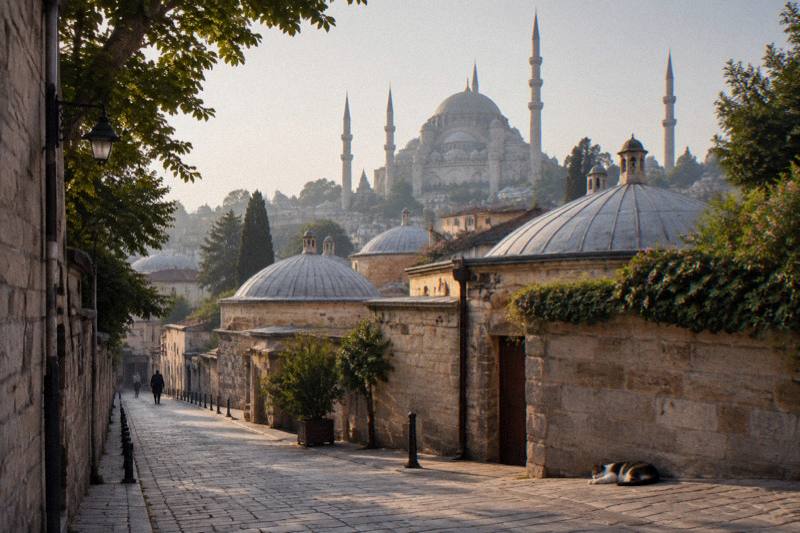
Süleymaniye Hamami: Sinan's Bath Beside The Mosque
The Süleymaniye Hamami is the bathhouse Mimar Sinan built beside his greatest mosque, and it runs on rules most Istanbul hamams do not share: reservations only, couples and families bathing together, and a minimum age of sixteen.
Short answer
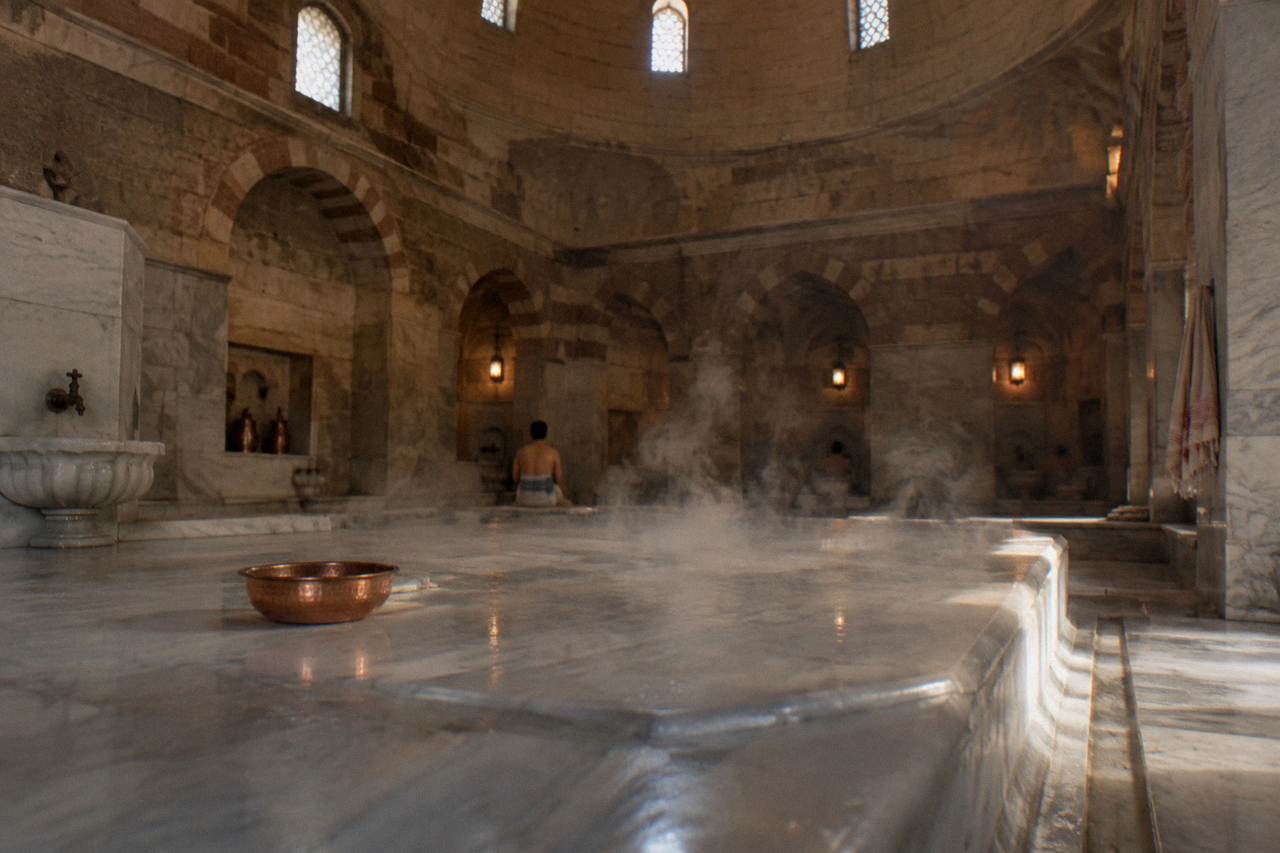
The Süleymaniye Hamami is a Mimar Sinan bathhouse dated 1550 to 1557, beside the Süleymaniye Mosque in Fatih. It admits couples and families in a shared setting by reservation only, with two to three days notice advised. Guests under 16 are not admitted, all attendants are male, and the marble hall holds 38 to 40 C.
What Is The Süleymaniye Hamami?
The Süleymaniye Hamami is a Turkish bath built by the architect Mimar Sinan for Sultan Süleyman the Magnificent, with construction dated 1550 to 1557 on the mosque complex that carries the sultan's name. It works as a reservation-only bath for couples and families in a shared setting, and the operator publishes no walk-in hours or prices on its own page. If you want a historic bath that accepts individual walk-ins instead, the Cağaloğlu Hamamı visitor guide covers its prices, hours, and what to expect.
Searches for "sultan suleyman hamam istanbul" usually land here, on the bathhouse attached to the Süleymaniye Mosque complex in Fatih, on the city's third hill above the Golden Horn. The building is part of the külliye, the great charitable complex Sinan designed around the mosque: schools, a hospital, kitchens, shops and the bath, all funded together under the sultan's endowment. That origin still shapes how the place runs. A hamam built to serve a mosque neighborhood was built for households, not solo travellers, and the modern operator has kept that character.
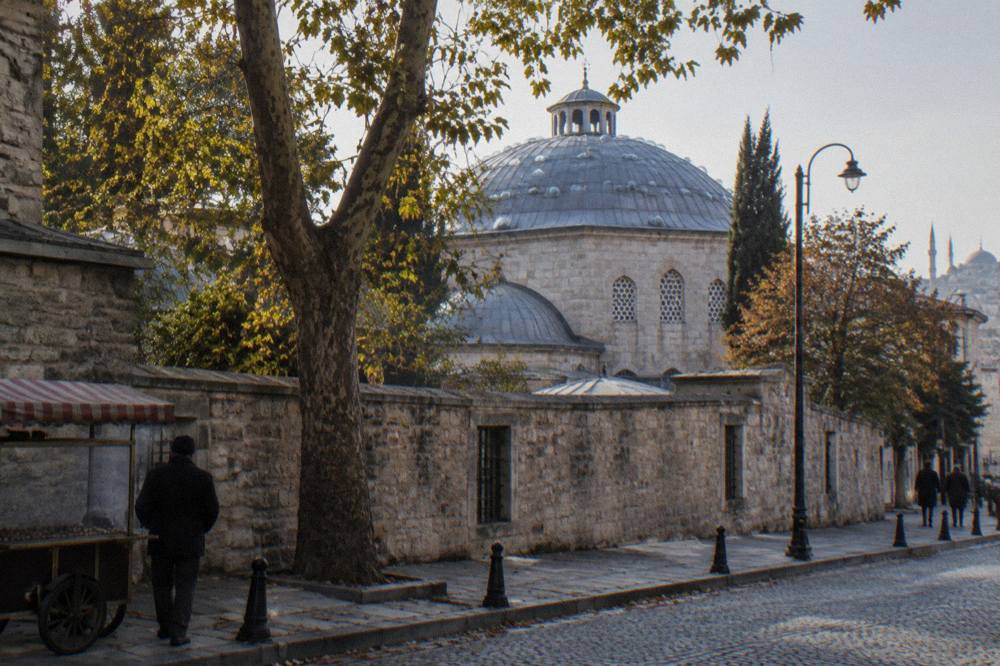
The operator's own site describes the building as "A Masterpiece by Sinan, Since 1550", with the dates 1550 to 1557 in the page title, and that is the only date range on a primary source, so it is the one to trust when other pages offer conflicting years. This site's reporting throughout rests on that official page and its contact and reservation details, which you can read directly at the operator's own site. Where a detail is not published there, this guide says so plainly rather than guessing.
One distinction matters before anything else, because it trips up a lot of readers. There is no bookable listing for the Süleymaniye Hamami itself on this site's tour roster. The product called the Süleymaniye-Area Budget Bath is a different bath in the same district, a modern spa-style operation a short walk from the mosque, and this guide treats the two separately throughout. The historic hamam is booked through the operator; the budget bath is booked like any tour listing. Confusing the two produces very different expectations of marble, steam and price.
Who Built It, And How Does It Compare To Sinan's Other Bathhouses?
Mimar Sinan built the Süleymaniye Hamami between 1550 and 1557 as part of the Süleymaniye Mosque complex for Sultan Süleyman the Magnificent, and it is one of at least four Sinan bathhouses still operating in Istanbul today. The others, Çemberlitaş, Kılıç Ali Paşa and Zeyrek Çinili, each run on different hours and seating rules, which is worth knowing before you choose one.
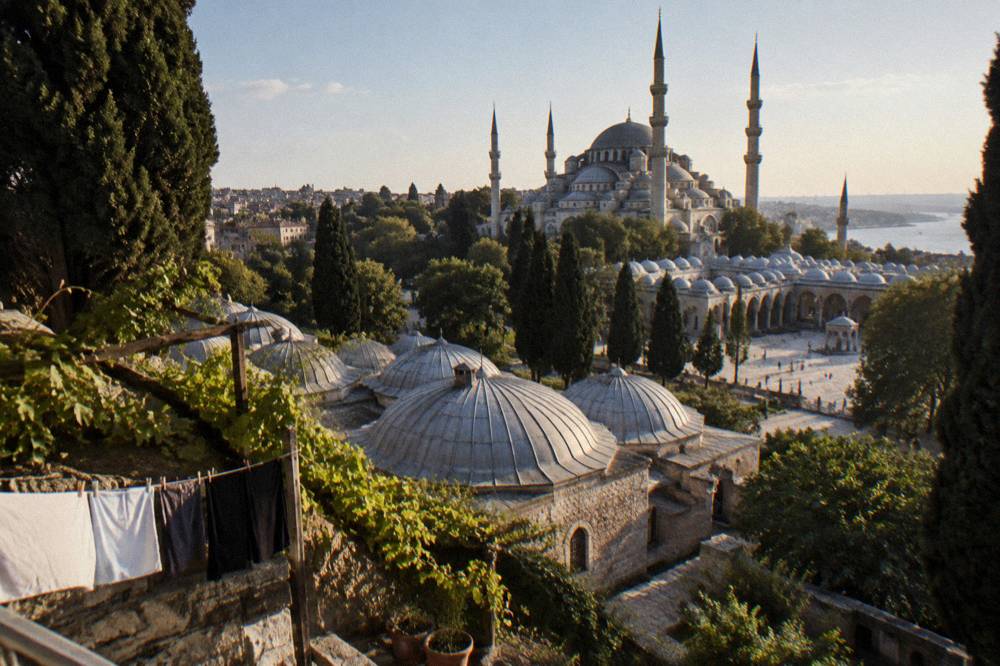
Sinan was chief architect to the Ottoman court for half a century, and bathhouses were a standard part of his portfolio. He built the Ayasofya Hürrem Sultan Hamamı in 1556 to 1557 for the sultan's wife, a symmetric pair of halls wedged between Hagia Sophia and the Blue Mosque. He built the Kılıç Ali Paşa bath in Tophane in 1578 to 1580 for the navy. The Zeyrek Çinili bath went up in the 1540s and reopened in September 2023 after a thirteen-year restoration, an event that already happened, not a promotion. And Çemberlitaş, from 1584, was raised for Nurbanu Sultan on the Divanyolu road. For a closer look at that freshly restored Sinan bath, our guide to the Zeyrek Çinili Hamam covers its history and what to expect inside.
| Sinan Bathhouse | Built | District | How It Runs Today |
|---|---|---|---|
| Süleymaniye Hamami | 1550 to 1557 | Süleymaniye, Fatih | Reservation only; couples and families in a shared setting; under 16 not admitted |
| Zeyrek Çinili Hamam | 1540s | Zeyrek, Fatih | Open Tuesday to Sunday 08:00 to 22:00; closed Mondays; sessions from 125 EUR |
| Kılıç Ali Paşa Hamamı | 1578 to 1580 | Tophane, Beyoğlu | Women-only 08:00 to 16:00, men-only from late afternoon to 23:30; ritual at 4,700 TL |
| Çemberlitaş Hamamı | 1584 | Çemberlitaş, Old City | Open daily 06:00 to 00:00; separate men's and women's sections |
The contrast in that table is the real decision. If you want men and women from one family in the same steam, Süleymaniye is the Sinan option built around it. If you want a classic single-sex Ottoman hall with a long walk-in day, Çemberlitaş keeps separate sections with same-gender attendants and publishes its prices, 57 EUR entrance, 72 EUR with scrub and foam, 92 EUR with a 30-minute oil massage, on its official prices page. This site keeps full research pages on both, including Kılıç Ali Paşa's separate men's and women's hours and a deeper comparison of Çemberlitaş, if you want to weigh the Tophane and Divanyolu options rather than commit to Fatih.
The Süleymaniye building itself is heated the traditional way, from under the floor. The stone platform you lie on, the göbektaşı, sits over the hypocaust, and the operator states the hall holds a steady 38 to 40 C. That under-floor system is the same basic engineering Sinan used across his baths, and it is why the marble feels warm rather than the air feeling hot: the room works more like a low stone oven than a sauna.
How The 90-Minute Bath Works
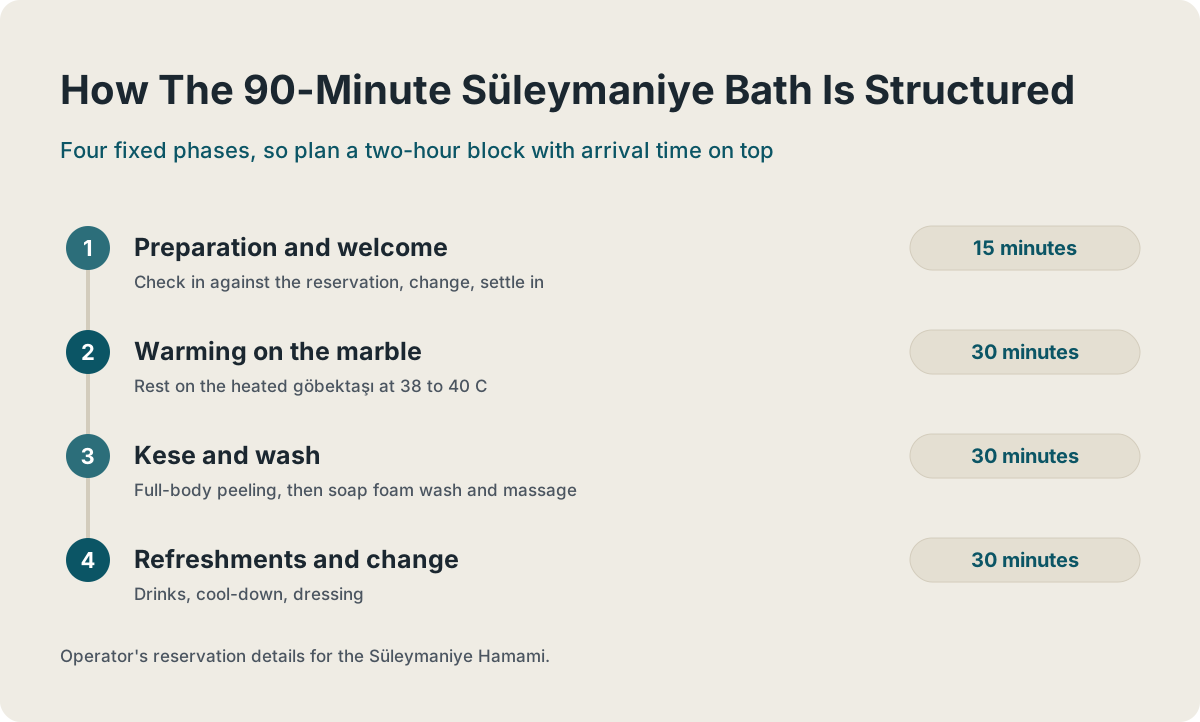
The operator structures a Süleymaniye visit as 90 minutes in four phases: 15 minutes of preparation and welcome, 30 minutes warming and resting on the marble stone, 30 minutes of kese peeling and soap wash with massage, then 30 minutes for refreshments, relaxation and changing. The sequence is fixed, so plan the visit as a two-hour block with arrival time on top.
The four-phase structure comes from the operator's own description of the experience, and it is worth internalizing before you book, because it sets expectations the tourist-office brochures do not. The first quarter hour is not bathing at all: you check in, change, and are shown through. The next half hour is the part first-timers underestimate. You lie on the warm marble and simply let the heat open your pores. Nothing visible happens, and yet this is the phase that makes the scrub work later, because the kese glove can only lift skin that the stone has already softened.
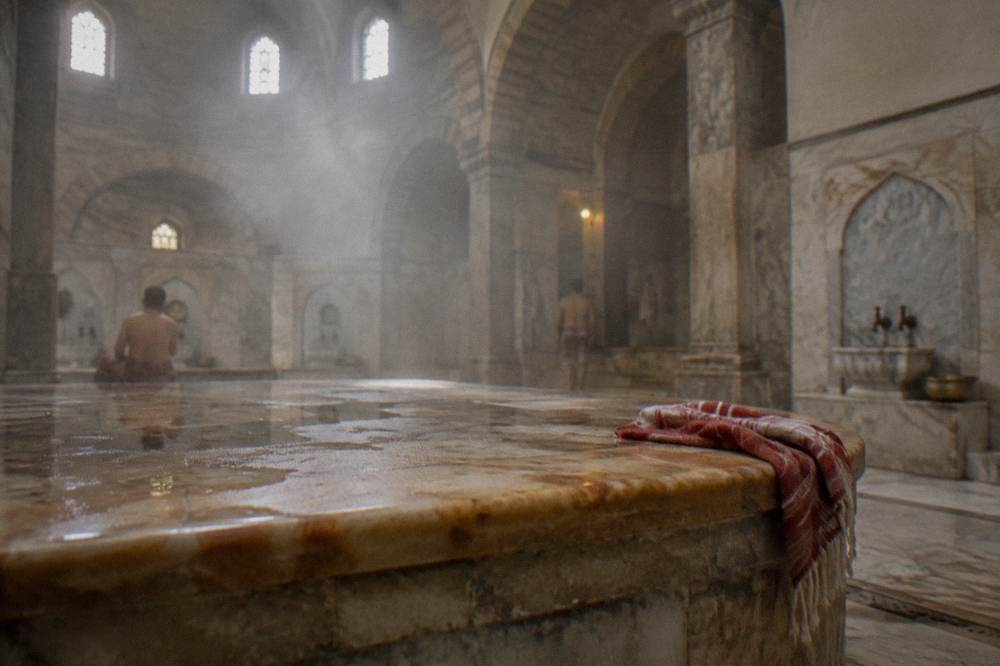
The third phase is the treatment itself. The kese is a coarse mitt, used once per guest at every serious hamam, drawn firmly across the body to peel away the softened outer layer of skin. Then comes the soap wash, worked into a heavy foam and massaged in, which is the moment most people picture when they imagine a Turkish bath. At Süleymaniye the attendants through all of this are male, across the whole operation, a policy the operator states plainly on its contact page. The final half hour is refreshments, cooling down and changing, and skipping it to save time defeats the purpose; the rest phase is where the heat finishes its work.
| Phase | Length | What Happens |
|---|---|---|
| Preparation and welcome | 15 minutes | Check in against the reservation, change, settle in |
| Warming on the marble | 30 minutes | Rest on the heated göbektaşı at 38 to 40 C |
| Kese and wash | 30 minutes | Full-body peeling, then soap foam wash and massage |
| Refreshments and change | 30 minutes | Drinks, cool-down, dressing |
If the reservation-only model or the mixed-family format gives you pause, the district has a bookable alternative with a completely different shape: the Süleymaniye-Area Budget Bath, from $19 per person, 4.8 from 38 reviews, about an hour and a half with sauna, hot stone therapy and optional foam or oil massage add-ons. For a traditional Old City hall instead, Şifa Hamam beside Sultanahmet runs a 30-minute marble-room session with kese and foam from $55, 4.6 from 67 reviews, and Çukurcuma 1831 offers a two-hour couples ritual from $103, 5.0 from 188 reviews.
For readers who want the full background on the scrub itself before committing, this site's guide to the kese scrub and foam massage walks through what the mitt actually does to skin and what "one-use glove" means in practice at different operators. It pairs well with what happens inside a Turkish bath, which covers the same sequence in a gender-neutral, operator-agnostic way.
Can Couples And Families Bathe Together At The Süleymaniye Hamami?
Yes, and that is the bath's defining feature: the Süleymaniye Hamami operates as a mixed facility where couples and families bathe together in a shared setting, with same-gender attendants assigned to each guest. Reservations are required, the operator advises booking two to three days ahead, and solo travellers are not accommodated during the primary mixed hours.
This is the single fact that separates Süleymaniye from nearly every other historic hamam in the city, and it comes straight from the operator's published terms. Most Ottoman bathhouses split into men's and women's sections, either architecturally, as at Çemberlitaş, or by clock, as at Kılıç Ali Paşa. Süleymaniye instead runs its primary hours as one shared, mixed hall, families and couples together, with male attendants for everyone. Women-only and men-only hour blocks do exist in the weekly schedule, but the operator changes them seasonally and publishes them on its contact page, so check there before planning a single-sex visit rather than relying on any third-party summary, including this one.
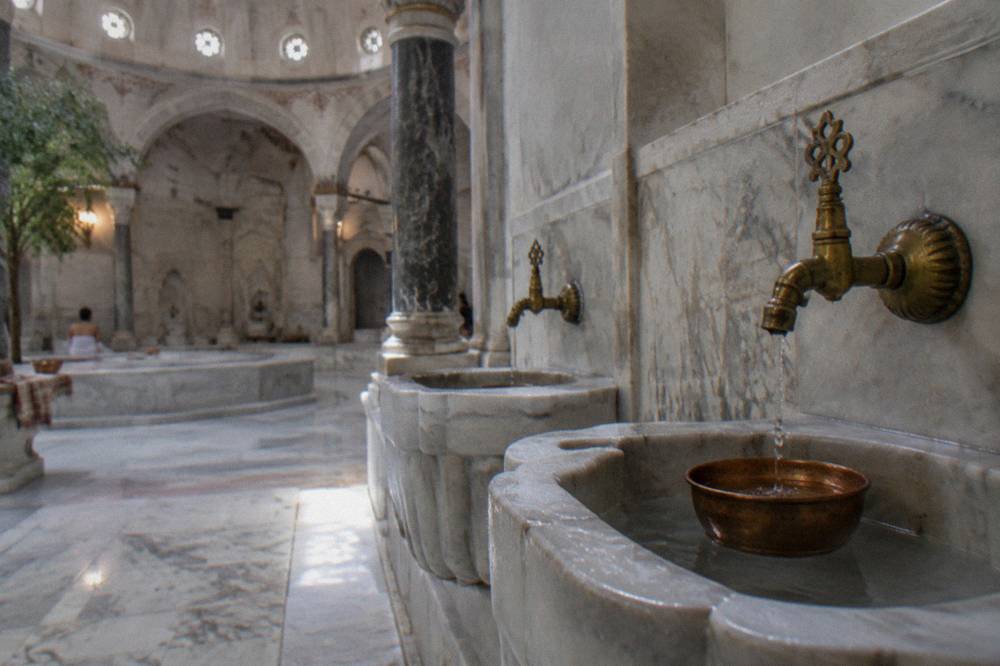
The reservation requirement deserves emphasis because it has teeth. The operator asks for bookings and advises two to three days of lead time, which is unusual in a city where most hamams take walk-ins all day. Build that into an itinerary: a Süleymaniye bath is something you schedule the way you schedule a dinner reservation, not something you wander into after the mosque. What a visit costs is not published by the operator on its own pages, so this guide prints no price for the historic hamam; the operator confirms pricing at reservation time, and any number you see on an aggregator for "Süleymaniye Hamam" should be checked against the source.
For couples specifically, the honest comparison is not only Süleymaniye. Çukurcuma 1831 Couples Hamam in Beyoğlu is built around pairs: a private couples ritual of about two hours, from $103 per person, 5.0 from 188 reviews, in an 1831 building near the antique-shop streets. It is a different animal, private rooms rather than a shared historic hall, but for many couples that privacy is exactly the point, and the 5.0 score across 188 reviews is a pool large enough to take seriously.
Families and groups who like the shared-hall idea but want a lower-commitment price point often land on the district's budget option instead: the Süleymaniye-Area Budget Bath, from $19 per person with sauna and hot stone therapy included, about 90 minutes, hotel pickup bookable as a $60 per-booking add-on. It is not the Sinan building, and this guide never presents it as such, but as a same-district, same-afternoon fallback it is the practical choice when the historic hamam's reservation book is full.
Couples weighing all the options across the city have a dedicated page here: hamams in Istanbul that welcome couples covers which operators genuinely offer shared or private-pair bathing and which, like Cağaloğlu, officially offer no couple service at all.
What Are The Age, Attendant And Swimwear Rules?
Süleymaniye's operator publishes four hard rules: guests under 16 are generally not admitted, reservations are required for all visits, every attendant in the bath is male, and guests are welcome to bring and wear their own swimwear, with the operator supplying peştemal, towels, slippers, and shorts for men and bikini or shorts for women.
The age floor is the rule families most often miss. Sixteen is high by hamam standards; several Old City operators set the line at 6 years, and Cağaloğlu bans under-6s but admits older children with an adult. Süleymaniye's under-16 policy, stated on the operator's contact page, effectively makes this an adults-and-older-teens bath, and since 15-year-olds cannot simply wait in the changing area for ninety minutes, a family with young children should route to a different operator rather than arrive and negotiate. Everything else covered here is indexed on Hamam In Istanbul.
| Rule | What The Operator States |
|---|---|
| Minimum age | Guests under 16 generally not admitted |
| Booking | Reservation required; two to three days ahead advised |
| Attendants | All attendants are male |
| Clothing | Own swimwear welcome; peştemal, towels, slippers, women's bikini or shorts and men's shorts provided |
| Solo guests | Not accommodated during primary mixed hours |
The swimwear policy is the most relaxed reading of hamam dress in the city, and it matters for anyone nervous about the traditional peştemal-only approach. At Süleymaniye you can wear your own suit the whole time, full stop. The operator hands out the standard kit regardless, so you have both options in the hall. Readers who want the wider etiquette picture, including what most people actually wear at single-sex baths, can read this site's practical answer on hammam dress, which keeps the subject operator-by-operator instead of pretending one norm covers the whole city.
The all-male attendant team is stated as a flat policy, not a default, and it is the detail that divides opinion among women guests. Some read it as a dealbreaker for a shared mixed hall; others note that attendants at Turkish baths are professionals doing a standardized job and that the operator's own framing treats the mixed-family format as normal, family bathing. Neither reading is wrong, and this guide's job is only to state the policy clearly enough that you can make the call yourself before booking rather than after arriving.
Is The Heat Safe? What The Operator Says About Health
The hall holds 38 to 40 C of under-floor, stone-carried heat, and the operator states the bath is not recommended for pregnant guests or for people with heart conditions, asthma or blood pressure problems. Those are advisories from the operator itself, not medical claims, and anyone unsure should ask a doctor before booking rather than after arriving.
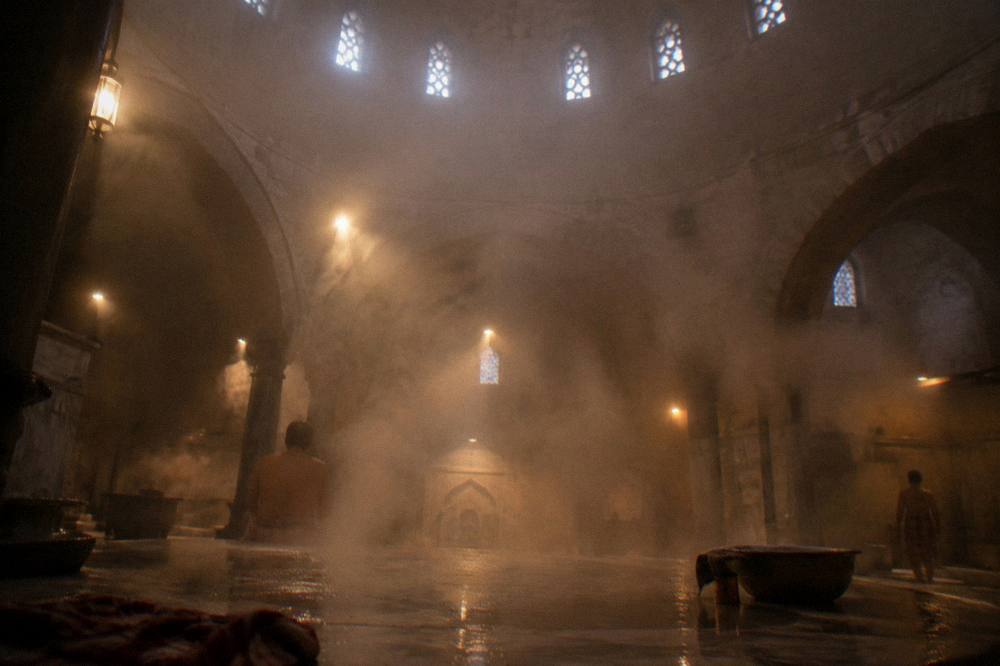
Heat is the working tool of every hamam, and 38 to 40 C is a moderate band, warmer than a hot shower, far cooler than a Finnish sauna's 80-plus degrees, but sustained for half an hour of lying still, which changes how it feels. The heat comes through the marble from the hypocaust below, so the sensation builds from contact with the stone rather than from the air. Guests who find it too much can sit up, move to a cooler edge of the platform or step out to the changing area; the four-phase structure builds in a full cool-down half hour precisely for this. If you're curious how hamam heat compares to other spa treatments, the full body massage pricing guide for Turkey covers what different packages cost.
The health advisories deserve to be taken as written. Pregnancy appears on the not-recommended list at Süleymaniye, and it appears as an outright refusal at several other operators in this site's research: Cağaloğlu states pregnant guests are not served, and Kılıç Ali Paşa's own FAQ says the same. For a fuller treatment of the topic, including which roster listings mark pregnancy in their not-suitable list, read this site's guide to hammam and pregnancy. Heart conditions, asthma and blood pressure problems at Süleymaniye are framed as recommendations against use, and the practical reading is identical: the operator is telling you the risk calculus is yours to run with a doctor.
Beyond the advisories, this site reports only what operators state and makes no health claims of its own. Nothing here is medical advice beyond the plain suggestion to ask a doctor when any of the listed conditions apply to you. For readers curious about the general wellness case for steam and heat, the honest summary is that operators market relaxation and circulation and that formal claims are thin; this site's longer look at whether hammam is good or bad for you keeps to what can be said without inventing benefits.
What Can You Book Nearby If Süleymaniye Itself Is Full?
No bookable listing exists for the Süleymaniye Hamami itself, so if the operator's reservation book is full your route is to another bath in the same district or an adjacent one: the Süleymaniye-Area Budget Bath from $19, Şifa Hamam in Sultanahmet from $55, or Gedikpaşa in Fatih from $57, all with free cancellation shown on their listings.
This is the honest structure of the market, and stating it plainly is more useful than pretending otherwise. The historic hamam is booked by reservation through the operator, on its own terms, and if you cannot get the date, no tour listing will get you inside that building. Everything bookable in the roster for this part of the city is a different bath. That is not a downgrade in every case; it is a different set of trade-offs around price, privacy and how much of the ritual is included.
| Bookable Bath | District | From Price | Rating And Pool | Duration |
|---|---|---|---|---|
| Süleymaniye-Area Budget Bath | Süleymaniye, Fatih | $19 per person | 4.8 from 38 reviews | About 1 hr 30 min |
| Şifa Hamam | Sultanahmet | $55 per person | 4.6 from 67 reviews | Duration on the listing |
| Gedikpaşa Hamam, Privacy Option | Emin Sinan, Fatih | $57 per person | 4.9 from 1970 reviews | About 1 hr |
| Acemoğlu 15th-Century Hamam | Kemalpaşa, Fatih | $45 per person | 4.6 from 1515 reviews | 45 to 80 minutes |
Gedikpaşa deserves a specific mention because its numbers are strong in a way that small pools cannot fake: 4.9 from 1,970 reviews, about an hour, from $57 with towels, single-use slippers and a private changing room included, plus an optional private section. It sits in Fatih, walkable from the Süleymaniye side, and its privacy option answers the exact concern that the shared-hall format at Süleymaniye raises for some guests. Acemoğlu, a little further out in Kemalpaşa, runs 45 to 80 minutes from $45 with clay mask, scrub, foam ritual, towel and slippers included, 4.6 from 1,515 reviews, a genuinely local-priced operation with its own pool, sauna and steam room.
Şifa Hamam is the pick for readers whose day is anchored in Sultanahmet anyway. It sits on its own small street beside the Blue Mosque, runs 30 minutes of warm marble room time with a one-use kese mitt and traditional foam massage, from $55, 4.6 from 67 reviews, with the aromatherapy oil massage and a foot massage and face mask as options on the listing. Its not-suitable list mirrors the standard one: under-6s, pregnancy, diabetes and heart problems. You can compare it directly against the other Old City halls and Check availability once you have the shape of your day fixed.
For readers comparing the whole Sinan circuit rather than just this district, Zeyrek Çinili is the other reservation-style option worth naming: sessions from 125 EUR for the 50-minute Original scrub and foam, longer packages 160 to 300 EUR, Tuesday to Sunday 08:00 to 22:00 and closed Mondays, on the operator's bathing page. This site keeps a full research page on Zeyrek Çinili after its 2023 reopening for readers who want the tilework story alongside the practicalities.
How To Plan The Visit: Booking, Timing And Getting There
Book by reservation with the operator two to three days ahead, plan a two-hour block for the 90-minute session plus arrival and changing, and approach from the Süleymaniye Mosque complex in Fatih, on the hill above the Golden Horn. Confirm the women-only and men-only hour blocks on the operator's contact page if you want a single-sex slot.
The mechanics are simple once the rules are clear. The reservation is made with the operator directly, and the operator's contact page is the live source for the hour blocks, which shift enough that no printed summary stays true. Arrive with your booking reference, your own swimwear if you want it, and the expectation of the fixed four-phase sequence. The changing areas and the provided kit, peştemal, towels, slippers, shorts and bikini or shorts for women, mean you need bring nothing beyond yourself and your booking.
Timing around the rest of the Süleymaniye visit matters more than at most hamams, because the mosque complex itself is one of the city's great free experiences. The standard pattern readers report is the mosque first, the terrace views over the Golden Horn, then the bath as the last stop of the day, when the heat and the ninety minutes of lying on warm stone land as a finish rather than an interruption. Anything vigorous planned for afterward is a mistake; the cool-down phase exists for a reason, and Istanbul's hills are steeper after a bath than before one.
Two last practical notes. First, the operator publishes no price, so get the figure confirmed in writing at reservation time and treat any number quoted anywhere else, including in guidebooks and forums, as unverified until the operator repeats it. Second, if your dates cannot absorb a two-to-three-day lead time, do not force it: the district's bookable alternatives above can be reserved the same day, several with free cancellation, and a good bath you actually take beats a famous one you miss. This site's Istanbul three-day itinerary with a hamam shows where a bath slot fits into a full Old City plan without wrecking the afternoon.
Common Questions About The Süleymaniye Hamami
Is the Süleymaniye Hamami the same as the Süleymaniye-Area Budget Bath?
No. The Süleymaniye Hamami is the Mimar Sinan bathhouse from 1550 to 1557 inside the mosque complex, booked by reservation with the operator. The Süleymaniye-Area Budget Bath is a different, separate bath in the same district, bookable as a tour listing from $19 per person with sauna and hot stone therapy. No tour listing sells the historic hamam itself.
Can couples bathe together at the Süleymaniye Hamami?
Yes. The operator runs the bath as a mixed facility where couples and families bathe together in a shared setting during primary hours, with same-gender attendants. Solo travellers are not accommodated during those hours, and reservations are required, with two to three days of notice advised. Single-sex hour blocks exist; confirm current times on the operator's contact page.
What is the minimum age at the Süleymaniye Hamami?
Guests under 16 are generally not admitted, per the operator's own terms. This is a high bar by Istanbul standards; many Old City hamams set the line at 6 years. Families with younger children should choose another operator from this site's roster rather than arriving at Süleymaniye expecting an exception.
What should you wear at the Süleymaniye Hamami?
Whatever you are comfortable in. The operator provides peştemal, towels, slippers, bikini or shorts for women and shorts for men, and explicitly welcomes guests bringing their own swimwear. That makes Süleymaniye one of the most flexible historic baths in the city on dress, and the provided kit means you need bring nothing with you.
How hot is the Süleymaniye Hamami?
The operator states the hall holds 38 to 40 C, delivered as under-floor heat carried by the marble platform. That is moderate compared with a sauna but sustained, and the ninety-minute structure includes a full thirty-minute cool-down phase after treatment. The bath is not recommended for pregnant guests or people with heart conditions, asthma or blood pressure problems.
Does the Süleymaniye Hamami publish prices or hours?
No. The operator's own pages publish neither a price list nor opening hours, and this guide prints none as a result. Pricing is confirmed at reservation time, and the women-only and men-only hour blocks, which shift seasonally, are listed on the operator's contact page, which is the only reliable source for them.