Should I Shave Before A Turkish Bath?
No Istanbul hamam publishes a shaving rule. Here is what the kese scrub actually does to skin, when to shave safely, and what to do about beards and waxing.
Should I Shave Before A Turkish Bath?
No operator in the verified sources publishes a shaving rule. The kese mitt works on the surface layer of skin, so general caution says skip a fresh shave on the day itself, shave the day before instead, and ask the desk when booking. That is general advice, not dermatology, and this page keeps to that line.
The short version, the one this site gives every reader who asks, is that the question has no official answer anywhere in the published material from Istanbul's bathhouses. The operators who do publish guest policies cover pregnancy, heart conditions, diabetes and minimum ages. Shaving appears in none of them. What exists instead is a body of accumulated practical wisdom from bath attendants and frequent bathers, and almost all of it points one direction: give your skin a quiet day before the kese glove touches it. If you're also wondering who will actually be scrubbing you once you're inside, the guide to same-gender attendant customs at Istanbul hamams covers what each bath publishes on the question.
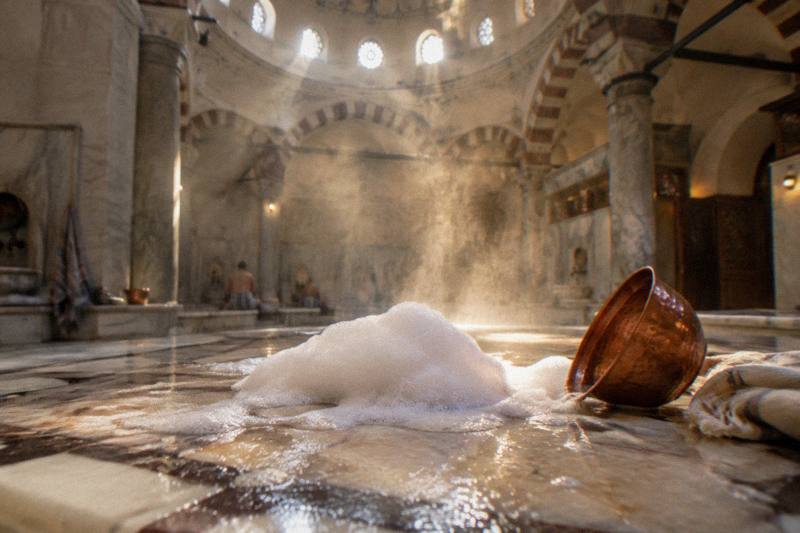
Why the question comes up so often is easy to understand once you know what happens inside the hot room. A traditional session is not a soak. It is a sequence of heating, sweating, vigorous scrubbing with a rough woven mitt, then a soap foam wash, often finished with an oil massage. The scrub is the part that interacts with freshly shaved skin, and it does not politely step around razor burn, nicks or ingrown patches. Everything in this article flows from that single mechanical fact.
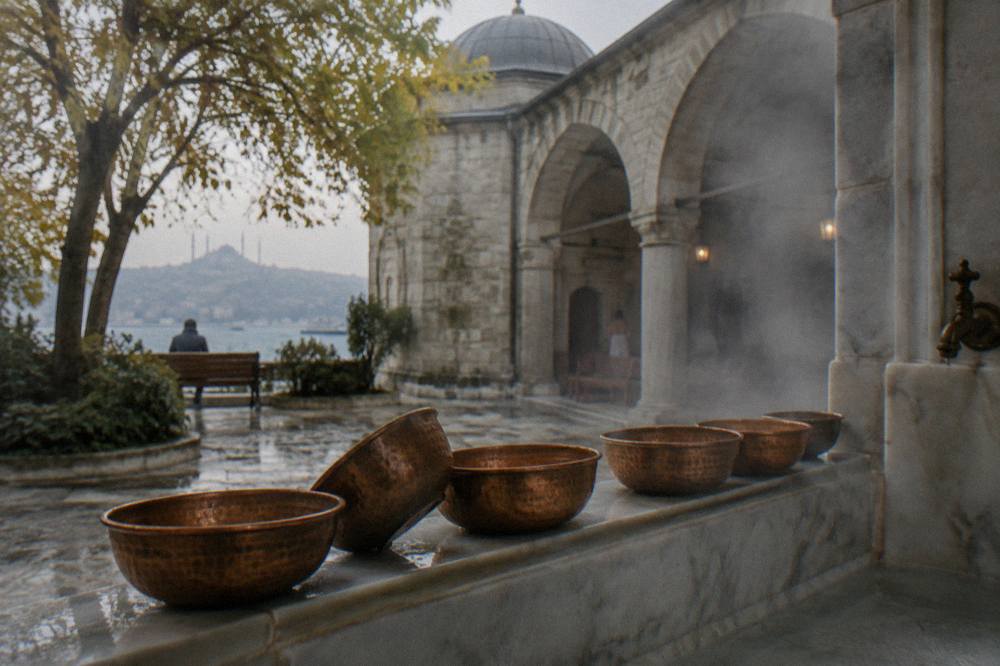
For readers planning an actual booking rather than a research session, the practical outcome is a timing decision rather than a yes or a no. Shave the day before, or two days before, and the skin has settled by the time the mitt arrives. Shave an hour before walking in and you are asking a rough textile to travel over micro-cuts that are still open. The table below sets out the common options and what each one tends to mean in the hot room.
| Grooming choice | What usually happens in the hot room | Common caution, general advice only |
|---|---|---|
| Shaved the same morning | Kese passes over fresh micro-cuts and sting-prone skin | Skip it if you can; stinging is the reported result |
| Shaved 24 hours before | Skin has had a night to settle before the scrub | The option most frequent bathers choose |
| Shaved two or more days before | Scrub meets ordinary skin, no razor interaction | Comfortable, no reported issues |
| Beard left in place | Kese works around it, foam washes it like hair | No operator asks you to remove it |
| Waxing within a day or two | Open follicles meet the mitt and hot marble | Treat like a fresh shave, wait longer |
If your trip already has a bath picked out, three listings on this site cover the range most travelers care about, from an old Beyoğlu bathhouse to a landmark in the Old City, and every one of them takes the same approach to grooming questions: nothing published, so the desk is the source of truth.
What The Kese Scrub Actually Does To Skin
The kese is a rough woven mitt, worked over the body by an attendant after a long warm-up on the marble, and its job is lifting dead surface skin. It is a mechanical exfoliation, firm and repeated, which is exactly why freshly shaved skin reacts to it. The mitt does not know the difference between flaking skin and a razor nick.
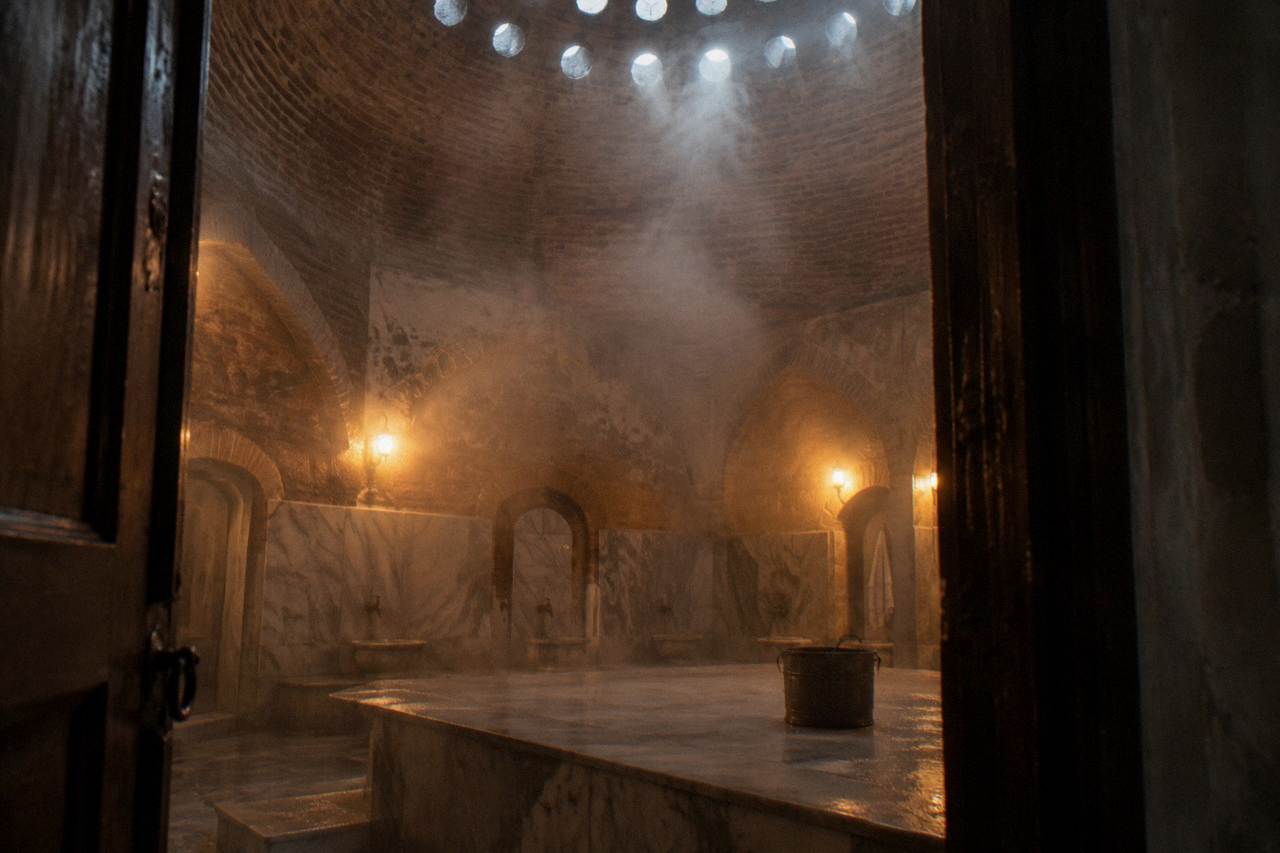
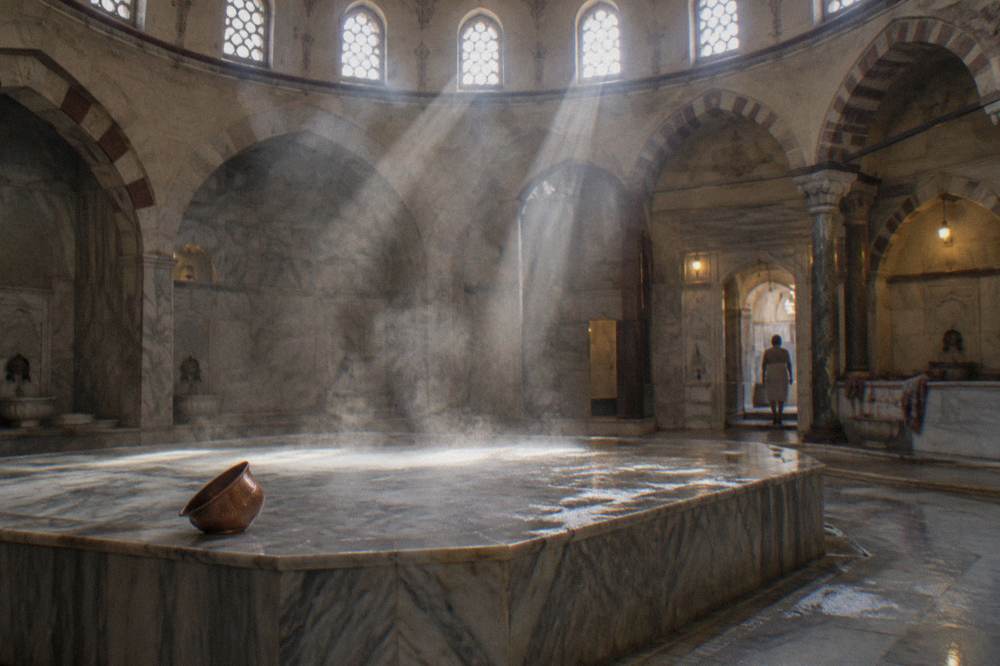
Sessions at the historic baths follow a rhythm that has barely changed in centuries, and the kese and foam massage guide on this site walks through it step by step. You warm up on the heated central platform, the göbektaşı, until the skin is soft and sweating freely. Only then does the attendant begin the scrub, working section by section with a pressure that surprises first-timers. This is not a spa glide. It is closer to a workover, and it moves a surprising amount of surface skin, which is visible as small grey rolls that the attendant rinses away.
That visible grey material is the whole point of the ritual, and it explains the shaving question in one stroke. The mitt is designed to abrade the outermost layer. A razor, hours earlier, has already cut through that layer along every track of the blade. Layering the two on the same day means the abrasion reaches skin that is still repairing itself. Reported results among bathers range from nothing at all to a sting that lasts the session, and the honest position is that the outcome varies by skin, by blade, by pressure and by attendant.
It is worth being equally plain about what the kese does not do. It does not cut, it does not use chemicals, and it does not go below the surface layer in any meaningful sense. The foam wash that follows is mild by comparison, olive oil soap worked into a cloud with a laced pouch, and most bathers find it soothing even right after a scrub. The scrub is the firm part. Everything after it is gentle, which is why the timing question concerns the day of the bath rather than the days after it.
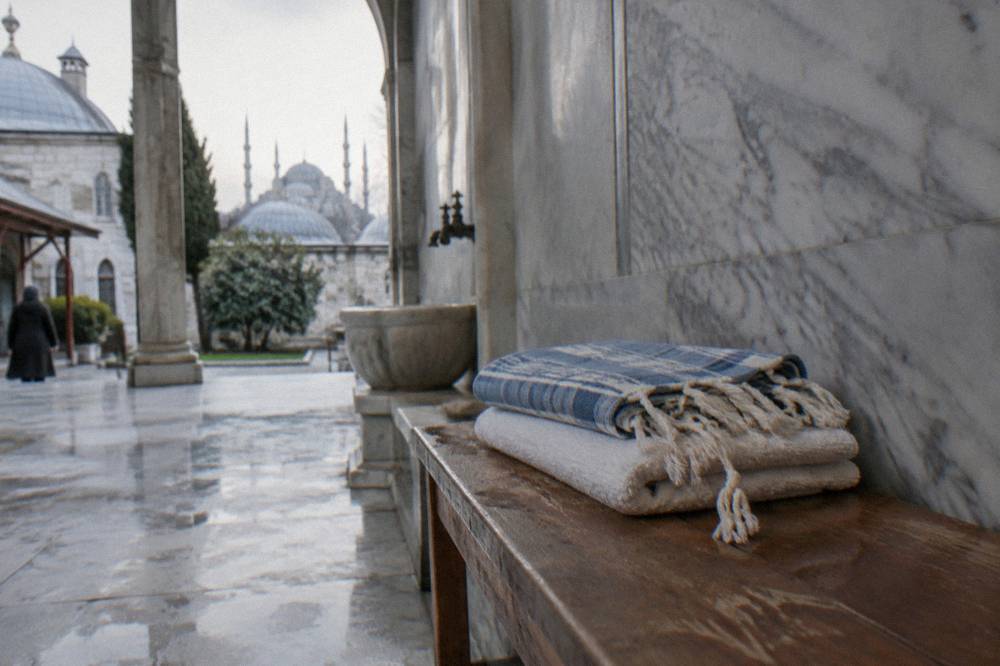
Heat plays its own role in the story. The warm-up on the marble, and the steam around it, opens the pores and softens everything, which is what makes the scrub effective on ordinary skin. On freshly shaved skin the same heat can emphasize sting and redness, and it slows nothing about how the mitt feels. Some travelers with sensitive skin report that the heat alone, before any scrubbing begins, is enough to make a same-day shave regrettable. That is anecdote rather than policy, and it points the same direction as everything else in this article: separate the razor and the mitt by a day.
The Ağa Hamamı on the Beyoğlu side is a good example of how a real listing handles all this, which is to say without a word on the subject (see Sultanahmet Or Taksim). Its listing includes a foam bath and scrub with drinks, from $84 per person, 4.6 from 459 reviews, about an hour and a half in a bathhouse built in 1454. The grooming question, if you want it answered for your own skin, is one to put to the desk when booking, and you can Check availability on the live listing while you think it over.
What Hamam Operators Actually Publish About Shaving
Nothing. Across the official pages this site verifies, from Cağaloğlu to Çemberlitaş to Kılıç Ali Paşa, no operator publishes any rule, restriction or recommendation about shaving, waxing or body hair. The published policies cover health conditions, age limits and section separation, and grooming is left entirely to the guest.
This absence is worth stating carefully, because travel forums fill it with confident claims. The verified picture is simpler. Cağaloğlu's official reservation page sets out who should not use the bath, pregnant guests, children under 6, guests with heart conditions or diabetes, and says nothing whatsoever about razors. Çemberlitaş publishes its hours, its section arrangement and its swimwear guidance on its own site, again with no shaving line. The pattern repeats at every operator checked for this article.
Reading that silence correctly matters. It does not mean shaving the same morning is risky in some hidden, official way. It means the operators treat grooming as outside their responsibility, which is a reasonable position for a bathhouse to take. The caution that does exist, the day-before advice this site repeats, comes from bath attendants and from bathers comparing notes, and it should always be labelled as general advice rather than an operator rule. Anyone with a skin condition, a recent procedure or a genuine medical question about exfoliation should ask a doctor rather than a travel site.
The practical translation for a reader is this: book without worrying about grooming, then put the question to the desk if your skin gives you a reason to. Attendants answer this question constantly and answer it casually, and their on-the-spot read of your skin on the day beats any article, including this one. None of the listings charge differently based on grooming, and none of the published policies turn anyone away over it.
Wondering how the whole session fits together before you worry about the razor? This site's guide to showering before the hammam covers the other common pre-bath question, and the two answers rhyme: arrive clean, arrive unhurried, and let the bath do its own work.
When To Shave If You Want A Smooth Result
The comfortable window is the day before, or two days before, so the skin has fully settled before the mitt arrives. Shaving the evening before a morning bath, or two mornings before an afternoon one, sits inside the common advice. Anything closer to the session is a coin toss on sting.
Timing, in the end, is the entire answer this page can honestly give. The kese asks a lot of the skin's surface, and a razor asks a lot of it too, and the one reliable way to keep the two from compounding is separation. A full day is the commonly cited minimum among experienced bathers. Two days is what people with reactive skin usually report choosing, and there is no downside to it beyond convenience, since the hamam's own scrub handles smoothness on the day.
| Your situation | Suggested timing, general advice | Why it works |
|---|---|---|
| Morning bath booking | Shave the previous evening | A full night of settling before the mitt |
| Afternoon or evening bath | Shave the previous morning or earlier | Roughly 24 hours of separation |
| Sensitive or razor-burn prone skin | Shave two days before | Extra margin for micro-cuts to close |
| Only shaved hours ago | Consider scrub-free entrance, or ask the desk | Some baths sell entrance without kese |
| Cannot reschedule either | Ask the attendant to skip the face or go gentle | Attendants accommodate this routinely |
That last row deserves its own sentence, because it is the most underused option on the list. Entrances without the scrub exist. Çemberlitaş, for instance, prices plain entrance at 57 EUR on its official page, with the 15-minute scrub and foam as a separate 72 EUR step, so a bather who shaved that morning can take the heat, the marble and the atmosphere and simply leave the mitt for next time. The same flexibility applies inside a package session: attendants take requests, and asking for a lighter hand or a skipped zone is normal, not fussy.
Among this site's listings, Acemoğlu makes the budget case for exactly this kind of flexible visit. The listing runs from $45 per person for a 45 to 80 minute session with clay mask, scrub and foaming ritual, coffee and tea included, 4.6 from 1,515 reviews. Its own service cards list a 45-minute public bath with foam, scrub and face clay at 40 EUR, with a plain one-hour pool, sauna and steam option at 20 EUR for anyone whose skin would rather sit the scrub out.
Beards, Waxing And Body Hair At The Hamam
No verified operator asks guests to remove body hair, and beards are simply washed around. Waxing is the one grooming choice that deserves real caution, because open follicles respond to the kese and the heat more sharply than razor tracks do, and the common advice is to leave at least several days between waxing and a scrub.
Beards first, because the answer is short and reassuring. A beard changes nothing about a hamam visit. The foam wash treats it like the hair on your head, the kese works the cheeks and forehead around it, and no attendant will comment on it or ask you to remove it. Istanbul's bathhouses host bearded locals every day of the week; it is one of the most photographed details of the ritual. The only beard-specific note worth making is that the hot room softens the skin beneath, and some bathers with longer beards like to rinse thoroughly afterward, which is comfort advice rather than policy. If you're still weighing whether a hamam is right for you at all, the full guide to what makes Istanbul's Turkish baths unique covers everything from Sinan's architecture to how the ritual compares with a modern spa.
Waxing sits at the other end of the caution scale, and the reasoning is mechanical rather than cultural. Waxing removes hair by pulling it from the follicle, which leaves every follicle briefly open and irritated. The kese then abrades the skin directly over those follicles, and the hot room keeps everything flushed and warm while it happens. Bathing right after waxing is widely reported as the most uncomfortable version of the whole experience, more so than a same-day shave. The general advice this site offers is the same the desk would give: space it out by a few days at minimum, and let your own skin's recovery be the judge.
Body hair in general, untouched by razor or wax, is simply not a variable the baths account for. The mitt glides over it, the foam sits in it, the attendant works around it, and generations of bathers with every possible amount of body hair have gone through the ritual without comment. Travelers sometimes worry they need to prepare or groom for modesty or hygiene reasons before a bath. They do not. The only preparation the listings themselves point to is arriving on time and being ready to sit in the heat, and modesty is handled by the peştemal cloth and the separate sections, not by anyone's grooming choices.
One honest note on the luxury end of the scale, for readers deciding how much effort the whole day deserves. The famous Old City houses do not care about your grooming state, but they do care about the clock: Cağaloğlu's official reservation page asks for bookings in advance, and its packages run from 95 EUR for The Istanbul Dream up to 400 EUR for the Elixir. The site's listing for the same house runs from $107 per person, 4.8 from 826 reviews, with sessions of 45 to 135 minutes depending on the package. None of those price tiers has a shaving requirement attached, and none ever has.
Caring For Skin After The Scrub And Foam
The same logic that governs before the bath governs after it: freshly exfoliated skin wants a quiet day. Shaving the same evening after a kese is the mirror image of the same-day shave, so the common advice is to wait until the following day, moisturize generously, and keep hot water and sun off the skin for a few hours.
Everything done to the skin's surface in the hot room is done, by design, and the surface needs time to re-settle. Bathers who shave the night of a session report the same sting bathers describe after a same-morning shave, because the situation is identical in mechanical terms, a fresh blade crossing skin that was abraded hours earlier. Waiting a full day costs nothing and removes the problem entirely. Meanwhile the things that genuinely help are dull: rinse with lukewarm rather than hot water, pat rather than rub, and use whatever plain moisturizer you would use after sun, since the listings themselves finish sessions with body lotion at several houses.
Sun deserves a specific mention because Istanbul itineraries usually put a bath in the middle of a walking day. Freshly scrubbed skin is more reactive to strong sun, in the way any exfoliated skin is, and the general advice is to keep a fresh scrub out of direct midday sun for a few hours. That is a comfort suggestion drawn from how skin behaves after any exfoliation, not a medical claim, and it folds easily into a normal day: bath in the late afternoon, dinner afterward, and the skin has a gentle twelve hours before anything else touches it.
For readers building the bath into a longer stay, the sequencing question answers itself the same way each time. Put the bath before a long flight or a beach day only with a day's cushion, and put it after a day of heavy walking, when the heat and the massage do the most good. The full argument for that ordering, and for where in a trip a bath lands best, is laid out in the site's wider coverage of Hamam In Istanbul as a subject, from neighborhood choices to price tiers, and it all starts from the same principle this article ends on: the bath is a strong experience, so give your skin an easy runway on both sides of it.
Whichever house you choose, the grooming question now has its honest shape. No rule exists, the day-before shave is the sensible default, waxing needs more space, beards are welcome as they are, and the desk at any of these baths will answer a specific question about your own skin in one sentence. That is the full content of the answer, and it is enough to plan around.
Common Questions About Shaving Before A Turkish Bath
Should I Shave Before A Turkish Bath?
Not on the same day, as general advice. No operator publishes a shaving rule, but the kese scrub abrades the skin's surface, and freshly shaved skin reacts to it. Shave the day before and ask the desk about your own skin if in doubt.
Will The Kese Scrub Hurt If I Shaved The Same Morning?
It can sting, and many bathers report exactly that. The mitt passes directly over the micro-cuts a razor leaves. If you already shaved that morning, ask the attendant to go lighter or skip the shaved zones, or choose an entrance without the scrub where the house offers one.
Do I Need To Remove Body Hair Before A Hamam?
No. No verified Istanbul operator asks guests to remove body hair, and attendants work around whatever is there as a matter of routine. Beards are simply washed like the hair on your head.
How Long Should I Wait After Waxing Before A Turkish Bath?
Several days at minimum, as common caution. Waxing leaves follicles open and irritated, and the kese plus the heat compound that discomfort more than a razor does. Let your own skin's recovery set the exact timing.
Can I Shave The Same Evening After A Turkish Bath?
It is better to wait a day. The skin has just been scrubbed, so shaving that night repeats the same-day problem in reverse. Rinse lukewarm, moisturize, and shave the following day.
What Should I Do If My Skin Is Sensitive?
Shave two days before rather than one, tell the attendant at the start of the session, and ask for a gentler pass or a scrub-free entrance. Operators do not publish a rule for sensitive skin either, so the desk and the attendant on the day are the real sources.