What Is The Difference Between A Russian Bath And A Turkish Bath?
A qualitative comparison of the Russian banya and the Turkish hamam: how the heat works, what the attendant does, what you wear, and which to book in Istanbul.
What Is The Difference Between A Russian Bath And A Turkish Bath?
The difference is heat and handling: a Russian bath steams you in waves thrown onto hot stones and works the skin with leafy birch bundles, while a Turkish bath rests you on warm marble under a dome and has an attendant scrub you with a kese mitt, then wash and massage you under foam. The banya is a sharp hot-and-cold cycle you drive yourself; the hamam is a slower serviced ritual in a historic building. If the hamam's slower, serviced ritual sounds like the one for you, our guide to what makes Istanbul's Turkish baths special explains the architecture, the kese and foam ritual, and what a session honestly costs.
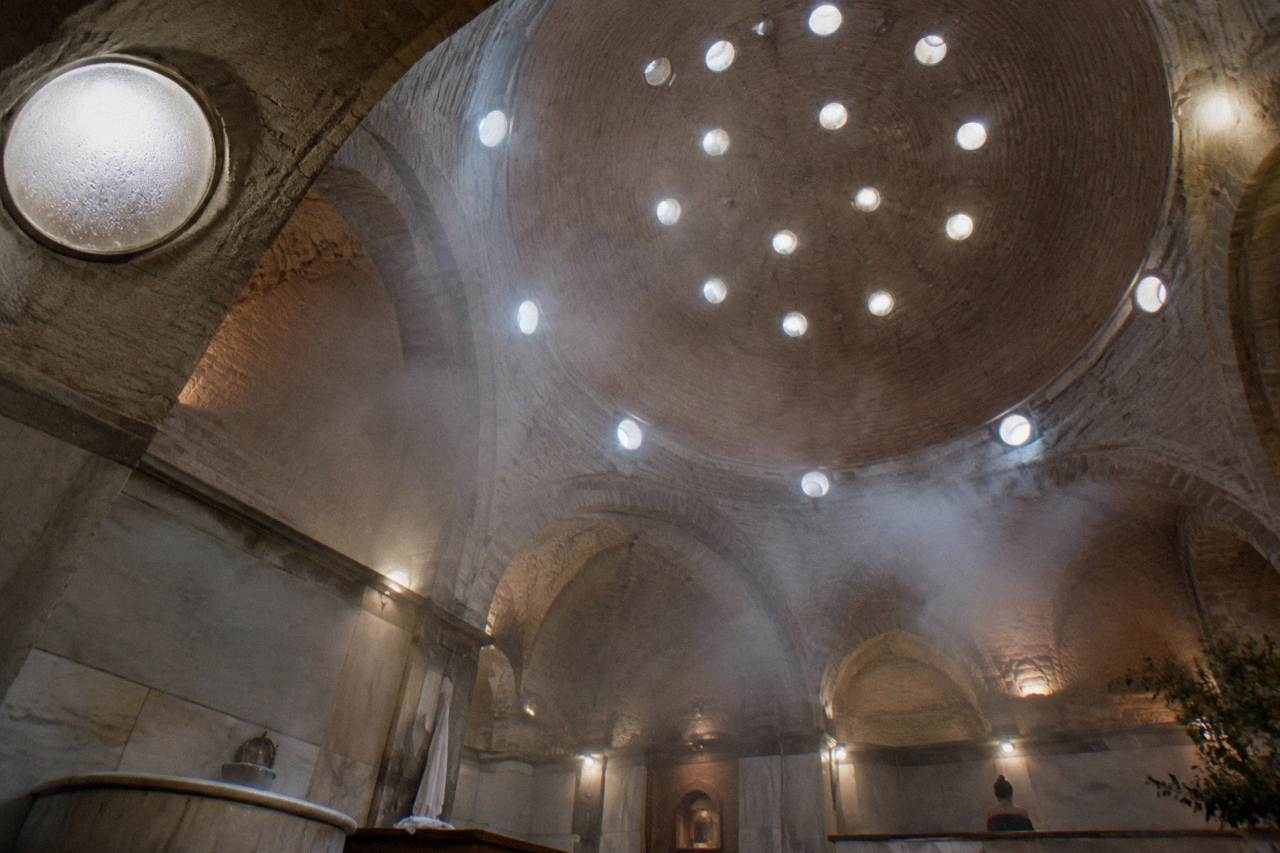
Both traditions grew from the same broad idea, that sweating is better shared, heated stone is better than smoke, and a bath should be a place you stay rather than a place you pass through. After that shared ancestry they split almost completely. The Russian banya is a wooden steam room where the drama comes from steam shock: ladles of water hitting stones, a rush of wet heat, then a plunge into cold water or a roll in snow. The Turkish hamam flips the logic. The room itself is the heater, a domed marble space warmed from below, and the heat is gentler and more humid in feel, built for lying down, sweating slowly and letting someone else do the cleaning.
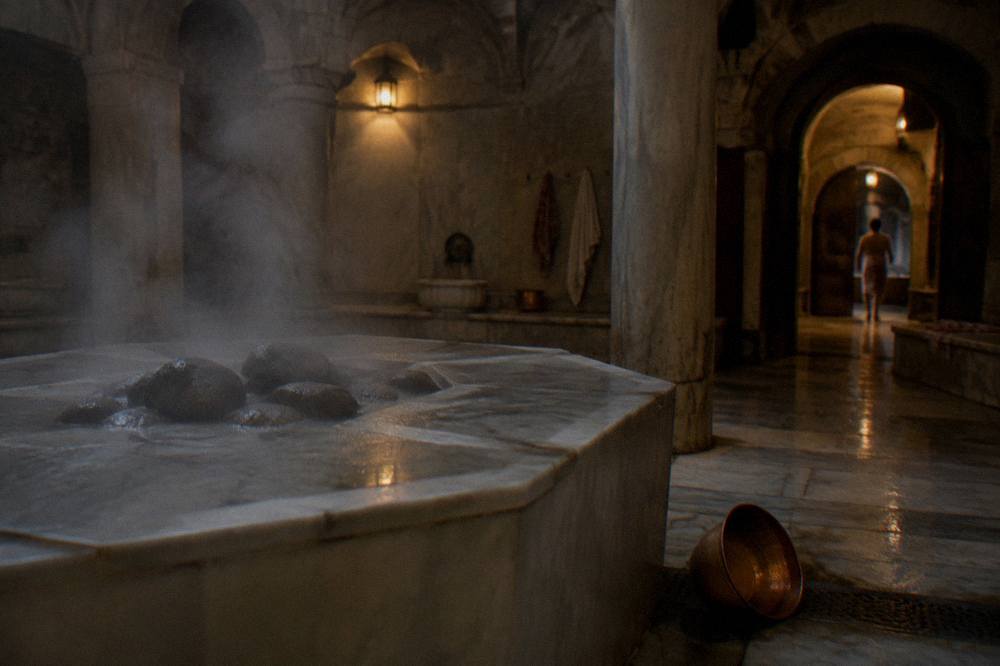
The division of labour is the sharpest practical difference. In a banya, bathers often work on themselves or on each other with a venik, the bundled leafy branch, in a rhythmic, slapping massage that is as much social gesture as technique. In a hamam, a professional attendant takes over: the tellak for men or the natır for women works the bather through a fixed sequence of scrub, soap and massage on the central marble platform, the göbek taşı. A visitor to Istanbul who books a classic session books a service, not a room.
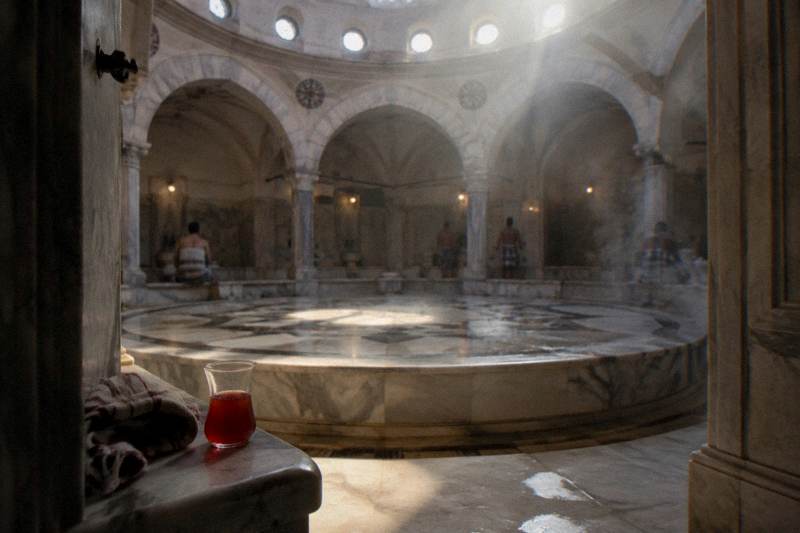
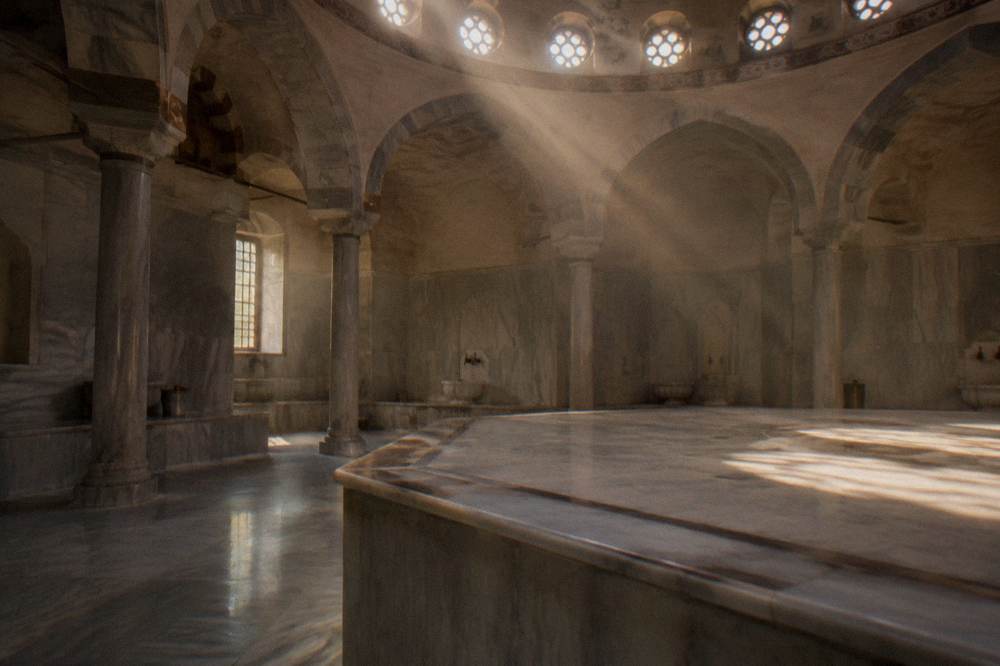
The settings look nothing alike either. A banya is timber benches, felt hats and the smell of wet wood. A hamam is stone, domes and acoustics: at Süleymaniye Hamam the operator describes marble warmed to a steady 38 to 40 C, and at Çemberlitaş you step from the Grand Bazaar's noise into a 1584 Mimar Sinan building still running as a working bath. Neither is better in the abstract. They solve different problems, and knowing which problem you have is the whole decision. For a hamam experience in a freshly restored Sinan building, our guide to the reopened Zeyrek Çinili Hamam covers what to expect before you go.
For readers who want the Turkish side of this comparison in one evening, the site's featured pick is the classic option: the Cağaloğlu 1741 Hamam standard packages, from $107 per person, 4.8 from 826 reviews, with sessions running 45 to 135 minutes across the hot room, the kese scrub, the foam wash and optional massages. If you are still comparing rather than choosing, three listings below bracket the whole local range, from a 15th-century neighbourhood bath to a private hotel spa floor.
How The Heat Works: Steam Versus Warm Marble
A banya heats the air with sudden wet steam thrown onto stones, so the sensation comes in waves that you control; a hamam heats stone, walls and air together from below, so the warmth is even, radiant and constant, with steam produced by the washing itself rather than ladled on. One is a firehose, the other a long soak. Banya bathers talk about the "par" moment, the burst of scented steam that follows a ladle of water, sometimes with beer or birch extract added, and about riding those bursts in rounds. Hamam bathers mostly talk about how long they can comfortably lie on the marble before the attendant arrives.
The Turkish figure that is published is the Süleymaniye one: the operator's own site gives the hot room as 38 to 40 C, which surprises visitors expecting sauna-level heat. That number is the point of the design. Roman and Ottoman engineers ran warm water and hot air through the floor and walls, so the building does the heating and the bather never faces a blast. You can read the operating description on the Süleymaniye Hamam operator page, which also explains the mixed, reservation-only character of that particular bath.
The Russian approach puts the source of heat in the room with you: a stove loaded with stones, heated hard, then doused. Because the steam arrives on command, the temperature you feel is partly your own creation, and the felt or wool hats many banya bathers wear exist to shield the head exactly because the upper air is fiercer than the bench you sit on. There is no hamam equivalent of the hat, because there is no equivalent blast to shield against. The hamam's answer to overheating is architectural: you simply move off the central platform toward the cooler edges and basins.
Humidity behaves differently too. A hamam is humid because bodies, basins and hot soap create damp air in a stone room that never fully dries. A banya is humid in spikes, dry-ish between them, which is why the two traditions even disagree about what "steam" means. If you have tried a modern steam room in a Western gym, you have tasted a faint descendant of both, but neither parent: the gym version has neither the marble repose of the hamam nor the venik of the banya. Some visitors do both in one trip, a banya-style sauna session at a hotel spa and a proper hamam in a Sinan building, and report that the hamam is the one they remember.
What Happens To Your Body In Each Bath
In a banya, the pattern is cycles: heat up hard, cool off sharply, rest, repeat, with the venik beating as the peak of each hot round. In a hamam, the pattern is a single slow curve: sweat on the marble, then the kese scrub strips the loosened skin, then a foam wash and massage leave you rinsed and drained of tension, with no deliberate cold shock anywhere in the traditional sequence. The banya treats the body to contrast; the hamam treats it to duration.
The scrub is the hamam's signature move and it has no real banya counterpart. The attendant rubs the whole body with a kese, a rough one-use mitt, and the dead skin comes away in grey rolls that surprise first-timers, then the same attendant works up a lather from olive oil soap in a copper bowl, squeezes an astonishing quantity of foam over you and massages it in. The site's kese scrub and foam massage guide walks through that sequence step by step, including what the basins, the peştemal cloth and the cool-room rest are for.
The banya's signature is the venik work. Bundled birch, oak or eucalyptus branches, soaked so the leaves stay supple, are used to fan hot air onto the skin and then to strike it lightly and rhythmically across the back, legs and arms. It stings in a bright way rather than a painful one, and bathers who grow up with it describe it as the moment the whole bath exists for. Between rounds comes the cooling, a cold plunge, a bucket shower, snow, or simply standing in frosty air, then a rest on a bench with tea before the next round.
Neither tradition is primarily about getting clean in the modern sense, and that is worth saying plainly, because visitors sometimes book expecting a spa treatment. The hamam is closer to one: there is a professional, a routine and a definite end state, freshly scrubbed, washed, massaged and dried. The banya is closer to a sport or a sauna-plus session: you regulate yourself, the tools are partly in your hands, and the pleasure is the oscillation. Operators in Istanbul state their own restrictions rather than promises, and Cağaloğlu's official reservation page, for example, lists pregnant guests, children under 6 and guests with heart problems or diabetes as not served.
One Istanbul compromise deserves a mention here. Several private spa-floor products deliver the hamam's scrub-and-foam sequence in a private room with sauna and steam access added, which roughly recreates the banya's heat rounds inside a Turkish format. The DoubleTree by Hilton Sirkeci Spa-Floor Hamam, from $56 per person, 4.8 from 1,489 reviews, bundles a one-hour bath and sauna with a 15-minute foam massage and optional longer massage tiers. For bathers who want to sample the Russian-style heat cycle without leaving the Turkish ritual, that hybrid is the honest route.
Scrub, Foam And Whisks: The Ritual Tools Compared
The hamam's tools are the kese mitt, olive oil soap, a copper basin and the attendant's hands; the banya's tools are the leafy venik bundle, the felt hat, the ladle and the cold plunge. The hamam toolkit cleans and exfoliates you; the banya toolkit heats and stimulates you. Almost nothing in one kit appears in the other, which is the clearest single sign these are different inventions.
| Element | Russian banya | Turkish hamam |
|---|---|---|
| Core implement | Venik, a soaked bundle of birch or oak branches | Kese, a one-use rough exfoliating mitt |
| Soap tradition | Usually minimal, rinsing rather than washing | Central, olive oil soap worked into heavy foam |
| Who does the work | The bather or a friend, self-administered | A professional attendant for your section |
| Head gear | Felt or wool hat worn in the hot room | No hat; hair washed with linden shampoo in many packages |
| Cooling method | Plunge, bucket, snow or cold air, deliberately sharp | Gradual: cool room, tea, rest, no shock |
| Typical setting | Wooden benches in a freestanding bathhouse or dacha | Domed stone building on the Roman bath plan |
The kese deserves its reputation. Because each mitt is single-use at reputable houses, hygiene worries about the scrub itself mostly dissolve, and the roster listings state the one-use policy directly, Cağaloğlu's packages, for instance, specify a private one-use glove. What the venik does is different in kind: no exfoliation target, no soap, just heat transfer and percussion. Bath report language splits along exactly this line. Hamam reviews talk about skin feeling new; banya regulars talk about feeling wrung out and loose.
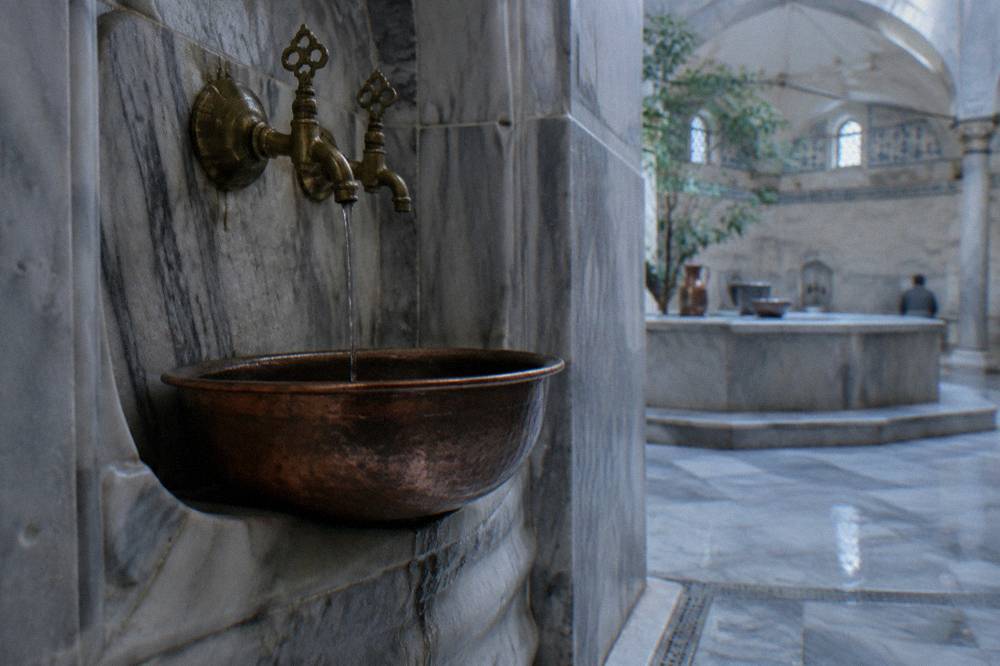
The copper basin, the hamam's third icon, is a tool neither tradition's fans expect to matter. Hot and cold taps at each niche let bathers mix their own rinse water before and after the attendant's work, and in the oldest houses the basins are engraved metalworks centuries old. It is a quiet reminder that the hamam descends directly from Roman thermae through Byzantine practice: the same niches, the same basins, the same hot-warm-cool progression, repurposed under a dome. The banya's family tree is northern, timber-built and stove-centred, closer in spirit to the Finnish sauna, and the Russian and Finnish traditions argue about humidity the way siblings argue about anything.
For the Turkish side in a budget register, Acemoğlu Hamam is the listing that keeps the full kit at the lowest price on the site's roster: from $45 per person, 4.6 from 1,515 reviews, with clay mask, traditional scrub, foaming ritual, towels and slippers included and an optional 30-minute massage. The building's own service cards describe a 15th-century origin and a 45-minute public bath with foam, scrub and face clay, plus pool, sauna and steam access, so the heat-cycle pleasures of the banya world are available in the same visit.
Privacy, Attendants And Social Customs
Historic hamams bathe men and women in separate sections with same-gender attendants, and most bathers wear the peştemal cloth, with swimwear widely permitted; banyas are typically divided into changing rooms and a shared steam room where groups bathe together socially, seated on towels and felt hats on. The hamam custom is service in semi-privacy; the banya custom is company in the open. Neither is clothing-optional in the way newcomers fear. Both traditions handle modesty with props and layout rather than with rules posted on a wall.
The Turkish arrangements are documented house by house. Çemberlitaş runs separate men's and women's sections with same-gender attendants and allows guests to bring their own swimwear, per its official prices and visit page. Kılıç Ali Paşa divides by clock instead of by door, women-only hours in the morning and early afternoon, men-only from late afternoon to 23:30, with the last reservations earlier in each block. Süleymaniye is unusual in operating as a mixed, couples-and-families bath with all-male attendant staff, reservation required. Private spa-floor hamams in hotels add a third format altogether: a locked room for one or two bathers, which many couples and more private travellers prefer.
The banya social pattern is the thing expats miss most when they leave it behind. Rounds are taken in company, the venik work is often exchanged between friends, and long rest intervals between rounds exist for conversation, tea and food; a banya afternoon is measured in hours and in courses. The hamam has a social register too, the Ottoman bath was a neighbourhood institution for gossip, matchmaking and celebration, and traces survive in the tea, sherbet and Turkish delight that follow good sessions, but the modern tourist hamam is a quieter, transactional hour. Bachelorette parties and group bookings keep the communal spirit alive mostly in the private-suite products.
Same-sex attendants are the norm on the Turkish side and worth knowing before you go, because the question is common. The site's what happens inside a hammam session for men piece covers the male tellak's routine in detail, and the same logic applies to the women's natır. There is no banya equivalent of a hired attendant scrubbing you, though commercial banyas in Russian cities increasingly offer paid venik services where a staff member performs the branch work, which shows how much the two traditions borrow from each other once money gets involved.
Which Bath Should You Choose In Istanbul?
Choose the hamam if you want a serviced ritual, a historic building and skin that feels genuinely resurfaced, and choose a banya or sauna-and-steam session if you want the hot-cold cycle, self-directed pacing and a social afternoon. In Istanbul specifically, the hamam supply is world-class and the banya supply is thin, so most visitors do the Turkish bath properly and get their heat-cycle fix inside a hotel spa's sauna. That is the practical arithmetic, and it is honest. If you're leaning toward the hamam, our guide to Istanbul's best Turkish baths covers which ones to book and what each experience actually feels like.
Price shapes the arithmetic too. Roster from-prices for classic Turkish sessions span a wide band: a bare-bones Süleymaniye-area bath from $19, the full Acemoğlu package from $45, Gedikpaşa with a privacy option from $57 and a 4.9 rating from 1,970 reviews, through the historic flagships at $107 and up (see Massage Prices In Turkey). Walk-in operator prices are a different price type from the listing from-prices: Çemberlitaş's own euro tariffs run 57 EUR for entrance, 72 EUR with scrub and foam, 92 EUR with a 30-minute oil massage, while Ağa Hamamı publishes its Traditional Package in lira, cheaper for cash than card. Comparing like with like matters more here than in most purchases.
| Istanbul option | Format | From price per person (listing) | Rating and reviews |
|---|---|---|---|
| Süleymaniye-Area Budget Bath | Hot stone, sauna, add-on massages | $19 | 4.8 from 38 reviews |
| Acemoğlu 15th-Century Hamam | Full scrub, foam, clay, sauna and steam | $45 | 4.6 from 1,515 reviews |
| Old City Private Bath | Private room bath | $51 | 4.6 from 4,066 reviews |
| Gedikpaşa Hamam, Privacy Option | Classic bath with private section option | $57 | 4.9 from 1,970 reviews |
| Cağaloğlu 1741 Hamam | Grand historic house, full package range | $107 | 4.8 from 826 reviews |
Group travellers, couples and anyone who wants the heat rounds can split the difference cleanly. A private spa floor such as the Old City Private Bath, from $51 per person, 4.6 from 4,066 reviews, runs 50 to 125 minutes with sauna access and a private bath room, so a pair can alternate steam and cooling in their own space and still finish with the scrub and foam. Readers weighing that trade-off against the classic route can Check availability beside the fuller private-hamam comparison on Hamam In Istanbul. Whichever door you choose, arrive hydrated, skip the big meal beforehand, and give the whole afternoon to it: both traditions punish the hurried.
One last framing thought. The banya and the hamam are not competitors so much as two answers to winter, one wooden and northern, one marble and imperial, and Istanbul happens to hold the best surviving examples of the marble answer anywhere. Come for the difference, but leave room to be converted: plenty of visitors arrive intending a box-tick at a historic bath and leave having rebooked for the following week.
Common Questions About Russian And Turkish Baths
What Is The Difference Between A Russian Bath And A Turkish Bath?
A Russian bath heats you in waves with wet steam thrown onto hot stones and works the skin with leafy birch or oak bundles between deliberate cool-offs. A Turkish bath rests you on warm marble in a domed hot room and has an attendant scrub you with a kese mitt, then wash and massage you under foam. The banya is self-driven cycles; the hamam is a serviced ritual in a historic stone building.
Which One Is Hotter, A Banya Or A Hamam?
Qualitatively, the banya delivers sharper peaks: bursts of steam that demand the felt hat and the cold plunge. The hamam is milder and steadier, with Süleymaniye Hamam publishing its hot room at 38 to 40 C on its own site. Heat in a hamam arrives from warmed stone and floors rather than from steam blasted into the air.
Do You Wear Clothes In A Russian Bath Or A Turkish Bath?
In a Turkish hamam you are given a peştemal cloth to wrap in, with towels and single-use slippers standard, and many houses, Çemberlitaş among them, allow you to bring your own swimwear. In a banya, bathers typically sit on towels and many wear felt hats in the steam room, with swimwear common in mixed commercial settings. Neither tradition requires you to be fully bare.
Is There A Scrub Massage In A Russian Bath Like The Kese?
No. The kese, a one-use exfoliating mitt worked by an attendant, belongs to the Turkish tradition and is the core of the hamam service. The banya's venik work heats and strikes the skin with soaked branches but is not designed to exfoliate, and there is no soap-foam massage stage equivalent to the Turkish bubble wash.
Can Couples Bathe Together In These Traditions?
Historic hamams normally bathe men and women in separate sections with same-gender attendants; Cağaloğlu states on its official page that it offers no couple service. Süleymaniye Hamam is a documented exception, running mixed couples-and-family sessions by reservation. Private hotel spa hamams in Istanbul offer private rooms for two, and banyas abroad are often mixed and social.
Can You Do Both Kinds Of Bath On One Trip To Istanbul?
Yes, and many visitors do. Book a classic hamam session in a historic building for the scrub and foam ritual, then use a hotel spa floor with sauna and steam rooms, such as the private bath listings in the Old City, for the hot-cold rounds a banya provides. Do them on different days, drink water before and after, and ask a doctor first if you are pregnant or have a heart condition.